

As a supplier of 3D Body Scanning Mirrors, I am often asked about the diverse applications of our innovative product. One particularly intriguing question that has emerged is whether a 3D body scanning mirror can be used for the simulation of body changes over time. In this blog post, I will delve into this topic, exploring the scientific basis, potential applications, and limitations of using our 3D body scanning mirrors for such simulations.
The Science Behind 3D Body Scanning Mirrors
Before we discuss the simulation of body changes, it's essential to understand how 3D body scanning mirrors work. These mirrors are equipped with advanced depth sensors and cameras that capture detailed 3D images of the human body from multiple angles. The data collected is then processed to create a precise 3D model of the body, including measurements of volume, surface area, and shape.
The accuracy of 3D body scanning mirrors has been well-documented in scientific research. Studies have shown that these devices can provide highly accurate measurements of body dimensions, with errors typically within a few millimeters. This level of accuracy is crucial for applications such as body change simulation, where even small differences in measurements can have a significant impact on the results.
Simulating Body Changes Over Time
The concept of using 3D body scanning mirrors to simulate body changes over time is based on the idea that by regularly scanning the body, we can track changes in its shape and dimensions. These changes can be caused by various factors, including weight gain or loss, muscle development, aging, and pregnancy.
To simulate body changes, the 3D body scanning mirror captures a baseline scan of the body. Subsequent scans are then compared to the baseline to identify any changes in shape or dimensions. Advanced software algorithms can analyze the data and generate a visual representation of how the body has changed over time.
For example, in the case of weight loss or gain, the 3D body scanning mirror can show where the body has lost or gained volume. This information can be invaluable for individuals who are trying to manage their weight, as it provides a more detailed and accurate picture of their progress than traditional methods such as weighing scales.

Potential Applications
The ability to simulate body changes over time using 3D body scanning mirrors has a wide range of potential applications in various fields.
Healthcare
In the healthcare industry, 3D body scanning mirrors can be used to monitor patients' body composition and track changes in their health status. For example, in the treatment of obesity, regular scans can help doctors assess the effectiveness of weight loss programs and adjust treatment plans accordingly. In the case of patients recovering from injuries or surgeries, 3D body scanning mirrors can be used to monitor muscle recovery and ensure that the body is healing properly.
Fitness and Wellness
In the fitness and wellness industry, 3D body scanning mirrors can be a powerful tool for personal trainers and fitness enthusiasts. By providing detailed information about body composition and changes over time, these mirrors can help trainers design personalized workout and nutrition plans for their clients. They can also motivate clients by showing them the tangible results of their hard work.
Fashion and Retail
In the fashion and retail industry, 3D body scanning mirrors can be used to create virtual fitting rooms. Customers can scan their bodies and try on virtual clothes to see how they will look and fit before making a purchase. This technology can also be used by fashion designers to create custom-made clothing that fits perfectly.
Research
In the field of research, 3D body scanning mirrors can be used to study the effects of various factors on the human body, such as diet, exercise, and aging. By collecting longitudinal data on body changes, researchers can gain a better understanding of how the body works and develop more effective interventions to promote health and well-being.
Limitations
While the potential applications of using 3D body scanning mirrors for the simulation of body changes over time are exciting, there are also some limitations to consider.
Cost
One of the main limitations of 3D body scanning mirrors is their cost. These devices are relatively expensive, which may limit their accessibility to some individuals and organizations. However, as the technology continues to develop and become more widespread, the cost is likely to decrease.
Accuracy
Although 3D body scanning mirrors are highly accurate, there are still some factors that can affect their accuracy. For example, the position of the body during the scan, the clothing worn, and the presence of accessories can all introduce errors in the measurements. To minimize these errors, it is important to follow the manufacturer's instructions carefully and ensure that the body is scanned in a consistent manner.
Data Privacy
Another concern is data privacy. The 3D body scanning mirrors collect sensitive personal information about the body, which needs to be protected. It is important for suppliers to have strict data privacy policies in place to ensure that the data is used only for the intended purposes and is not shared with unauthorized parties.
Conclusion
In conclusion, 3D body scanning mirrors have the potential to be a valuable tool for the simulation of body changes over time. Their high accuracy, detailed measurements, and ability to provide visual representations of body changes make them suitable for a wide range of applications in healthcare, fitness, fashion, and research.
However, it is important to be aware of the limitations of this technology, including cost, accuracy, and data privacy. As a supplier of 3D Body Scanning Mirrors, we are committed to addressing these challenges and continuously improving our products to meet the needs of our customers.
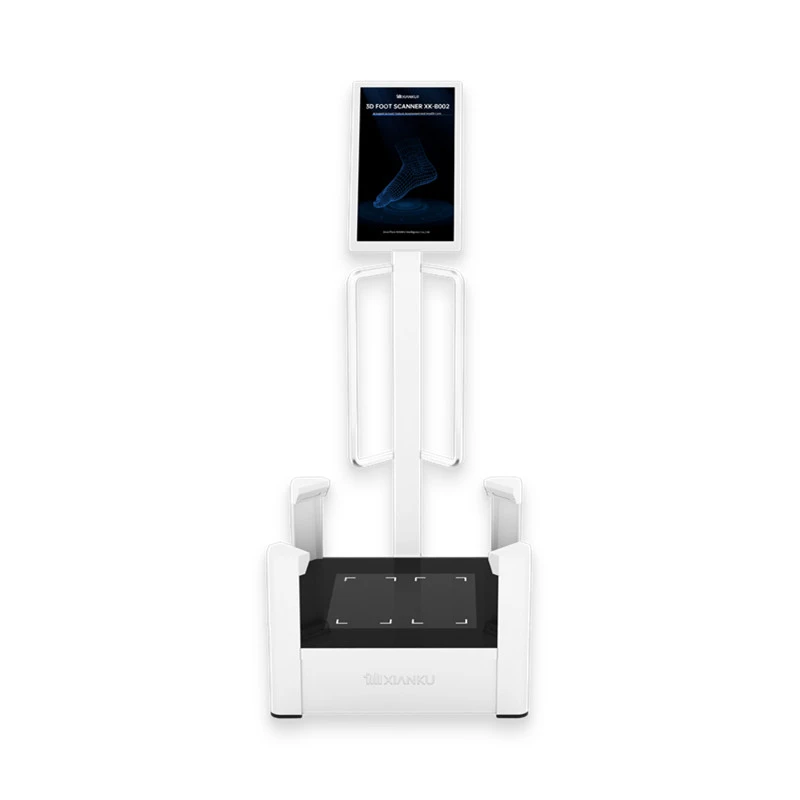
If you are interested in learning more about our 3D Body Scanning Mirrors or exploring how they can be used for the simulation of body changes over time, please feel free to contact us for a detailed discussion and potential procurement. We also offer related products such as the Xianku 3D Foot Scanner and the Xianku 3D Body Scanner, which can complement the functionality of our 3D body scanning mirrors.
References
- [List of relevant scientific studies on 3D body scanning technology]
- [Industry reports on the applications of 3D body scanning in different fields]