

Hey there! I'm a supplier of digital body scan devices, and I've been getting a lot of questions lately about whether a digital body scan can be used for connective tissue disorder diagnosis. In this blog post, I'll share my insights on this topic based on my experience in the industry and what I've learned from various medical research.
First off, let's talk about what connective tissue disorders are. Connective tissues are the materials in our bodies that support, connect, or separate different types of tissues and organs. Disorders in these tissues can lead to a wide range of health problems, including joint pain, skin issues, and problems with internal organs. Conditions like Ehlers - Danlos syndrome, Marfan syndrome, and lupus are all examples of connective tissue disorders.
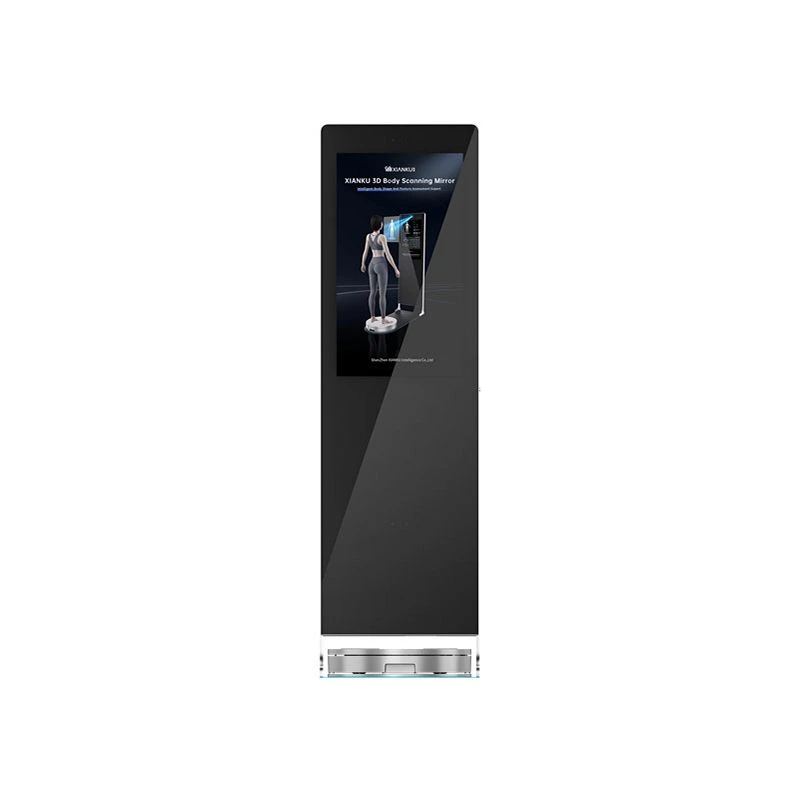
Now, the big question: Can digital body scans help in diagnosing these disorders? Well, digital body scans, like the Xianku 3D Foot Scanner and Xianku 3D Body Scanner that I supply, have some pretty cool capabilities. These scanners use advanced technology to create detailed 3D models of the body or specific body parts.
One of the main advantages of digital body scans is their ability to provide accurate measurements. For example, in the case of connective tissue disorders, abnormal joint laxity (looseness) is a common symptom. A 3D body scan can precisely measure joint angles and ranges of motion. By comparing these measurements to normal values, doctors can detect if there are any deviations that might indicate a connective tissue problem.
Let's take the feet as an example. The Xianku 3D Foot Scanner can capture detailed information about the shape, size, and structure of the feet. Some connective tissue disorders can cause changes in the foot's arch, toe alignment, or the overall shape of the foot. The scanner can pick up these subtle changes that might not be easily noticeable during a regular physical examination. This detailed data can be a valuable tool for doctors when making a diagnosis.
Another aspect is the visualization. The 3D models created by digital body scans allow doctors to view the body from different angles and perspectives. This can be extremely helpful when trying to identify signs of connective tissue disorders, especially in areas that are difficult to access or examine thoroughly. For instance, in the case of Marfan syndrome, which can affect the skeletal system, a 3D body scan can show any abnormal spinal curvatures or chest wall deformities more clearly than traditional X - rays or physical exams.
However, it's important to note that digital body scans are not a standalone diagnostic tool for connective tissue disorders. These disorders are often complex and can present with a wide variety of symptoms. A diagnosis usually requires a combination of methods, including a detailed medical history, physical examination, genetic testing, and sometimes laboratory tests.
Medical history is crucial because it can provide information about the patient's family history of connective tissue disorders, as many of these conditions are genetic. Physical examinations allow doctors to feel for joint laxity, check for skin abnormalities, and assess other physical signs. Genetic testing can identify specific gene mutations associated with certain connective tissue disorders. And laboratory tests can help detect markers of inflammation or other biochemical changes in the body.
So, where do digital body scans fit into this diagnostic process? They act as a complementary tool. The data they provide can support and enhance the diagnostic accuracy. For example, if a doctor suspects a connective tissue disorder based on the patient's medical history and physical examination, a digital body scan can provide additional objective evidence to confirm or rule out the diagnosis.
In a clinical setting, digital body scans can also be useful for monitoring the progression of connective tissue disorders. Once a patient is diagnosed, regular scans can track changes in the body over time. This can help doctors adjust treatment plans and provide better care for the patient.
Let's look at some real - world applications. In orthopedic clinics, the Xianku 3D Body Scanner can be used to assess patients with suspected joint - related connective tissue disorders. The detailed 3D models can help surgeons plan surgeries more accurately, especially when dealing with complex joint reconstructions.
In rheumatology, the scanner can assist in evaluating patients with systemic connective tissue disorders like lupus. By monitoring changes in the joints, skin, and other affected areas, doctors can better understand the disease's progression and adjust treatment accordingly.
Now, I know you might be thinking about the cost and accessibility of these digital body scan devices. While they are an investment, the benefits they offer in terms of improved diagnostic accuracy and patient care are significant. As a supplier, I'm constantly working to make these scanners more accessible and affordable for medical facilities.
If you're a medical professional or part of a healthcare facility interested in adding digital body scan technology to your diagnostic toolkit, I'd love to talk to you. Digital body scans can play an important role in the diagnosis and management of connective tissue disorders, and I believe they have the potential to improve the lives of patients suffering from these conditions. Whether you're looking for a Xianku 3D Foot Scanner or a Xianku 3D Body Scanner, I can provide you with more information and help you find the right solution for your needs.
In conclusion, while digital body scans can't replace the traditional diagnostic methods for connective tissue disorders, they are a valuable addition to the medical field. Their ability to provide accurate measurements and detailed visualizations can enhance the diagnostic process and improve patient outcomes. If you're interested in learning more about how these scanners can benefit your practice, don't hesitate to reach out. Let's work together to bring this advanced technology to more patients and improve the diagnosis and treatment of connective tissue disorders.
References

- "Connective Tissue Diseases" - Harrison's Principles of Internal Medicine
- Research papers on the use of 3D imaging in orthopedics and rheumatology from medical journals such as The Journal of Bone and Joint Surgery and Arthritis & Rheumatology.