

Hey there! As a supplier of digital body scan technology, I often get asked this question: Can a digital body scan detect diseases? Well, let's dive right into it and find out.
First off, what exactly is a digital body scan? In simple terms, it's a non - invasive way to capture detailed information about the human body. We use advanced sensors and cameras to create a 3D model of a person's body. This technology has come a long way in recent years, and it's being used in various industries, from fashion for custom - fitting clothes to healthcare for monitoring body changes.
Now, when it comes to disease detection, digital body scans have both their limitations and potential. Let's start with the limitations. A digital body scan, by itself, can't diagnose a specific disease like cancer or diabetes. It's not a replacement for traditional medical tests such as blood tests, biopsies, or MRIs. These medical procedures are designed to look at the internal workings of the body, like the function of organs, the presence of abnormal cells, and the levels of different substances in the blood.
However, that doesn't mean digital body scans are useless in the context of disease detection. They can provide valuable clues and early warning signs. For example, changes in body shape and composition can sometimes indicate underlying health issues. A sudden increase in body fat percentage, especially around the abdomen, could be a sign of metabolic syndrome, which is linked to conditions like heart disease and diabetes. By regularly scanning a person's body, we can track these changes over time.
Let's say we have a patient who comes in for a digital body scan every six months. The first scan shows a normal body fat distribution. But in the next scan, we notice that the amount of visceral fat (the fat around the internal organs) has increased significantly. This could prompt the patient to visit a doctor for further tests, potentially leading to an earlier diagnosis and treatment.
Another area where digital body scans can be helpful is in monitoring the progress of certain diseases. For patients with musculoskeletal disorders, such as arthritis or scoliosis, a digital body scan can accurately measure changes in joint angles, spinal curvature, and muscle mass. This information can be used by doctors to adjust treatment plans and evaluate the effectiveness of therapies.
In the realm of preventive medicine, digital body scans can play a crucial role. By identifying risk factors early on, people can make lifestyle changes to reduce their chances of developing serious diseases. For instance, if a scan reveals that a person has poor posture, it could be a risk factor for back and neck pain in the future. The patient can then work with a physical therapist to correct their posture and prevent potential health problems.
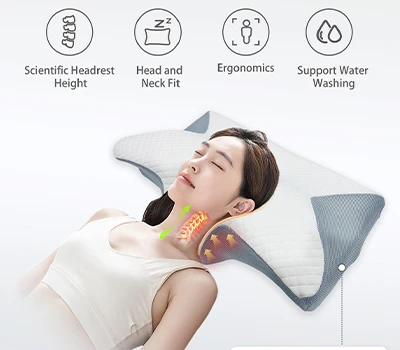
Now, let me tell you about some of the products we offer as a digital body scan supplier. We have the Healthy 3D Customized Pillow. This pillow is designed based on a person's unique head and neck shape, which is determined through a digital body scan. It provides optimal support and can help improve sleep quality, which is essential for overall health.
Our 3D Foot Scanner is another great tool. It can detect foot problems such as flat feet, high arches, or uneven weight distribution. By analyzing the data from the scan, we can recommend custom - made orthotics that can alleviate pain and prevent further foot issues.
And then there's the 3D Body Scanning Mirror. This innovative device allows people to see a detailed 3D model of their body right in the comfort of their own home. It's a great way to stay aware of your body composition and track changes over time.
So, while digital body scans can't directly detect diseases, they are a powerful tool in the fight against illness. They offer a non - invasive, painless, and convenient way to gather information about the body that can be used to identify potential health risks and monitor disease progression.
If you're a healthcare provider, a fitness center owner, or just someone interested in using digital body scan technology for personal health monitoring, I encourage you to reach out to us. We're always happy to have a chat about how our products can meet your needs. Whether you're looking to integrate digital body scans into your practice or simply want to learn more about the technology, we're here to help.
In conclusion, digital body scans are an exciting and valuable addition to the healthcare and wellness landscape. They may not be the magic bullet for disease detection, but they can certainly be an important part of a comprehensive health - monitoring strategy.

References
- "The Role of Body Composition Analysis in Health and Disease" by Smith, J. et al.
- "Digital Imaging in Musculoskeletal Medicine" by Johnson, A. and Brown, B.
- "Preventive Medicine: Early Detection of Risk Factors" by Williams, C.