

As a provider of fast speed foot scan technology, I often encounter inquiries about the capabilities of our scanners, especially regarding their ability to detect foot bunions. Foot bunions are a common and often painful foot condition, characterized by a bony bump that forms at the base of the big toe. In this blog post, I will explore whether fast speed foot scans can effectively detect foot bunions, the benefits of using such scans, and how our technology can play a crucial role in early detection and treatment.
Understanding Foot Bunions
Before delving into the detection capabilities of fast speed foot scans, it's important to understand what foot bunions are and what causes them. Bunions, medically known as hallux valgus, occur when the big toe deviates towards the other toes, causing the joint at the base of the big toe to protrude. This deviation can be caused by a variety of factors, including genetics, improper footwear, foot injuries, and certain medical conditions such as arthritis.
The symptoms of bunions can range from mild discomfort to severe pain, and they can significantly impact a person's ability to walk and perform daily activities. Early detection of bunions is crucial for effective treatment, as it allows for non - surgical interventions such as orthotics, physical therapy, and proper footwear to be implemented before the condition worsens.
Can Fast Speed Foot Scan Detect Foot Bunions?
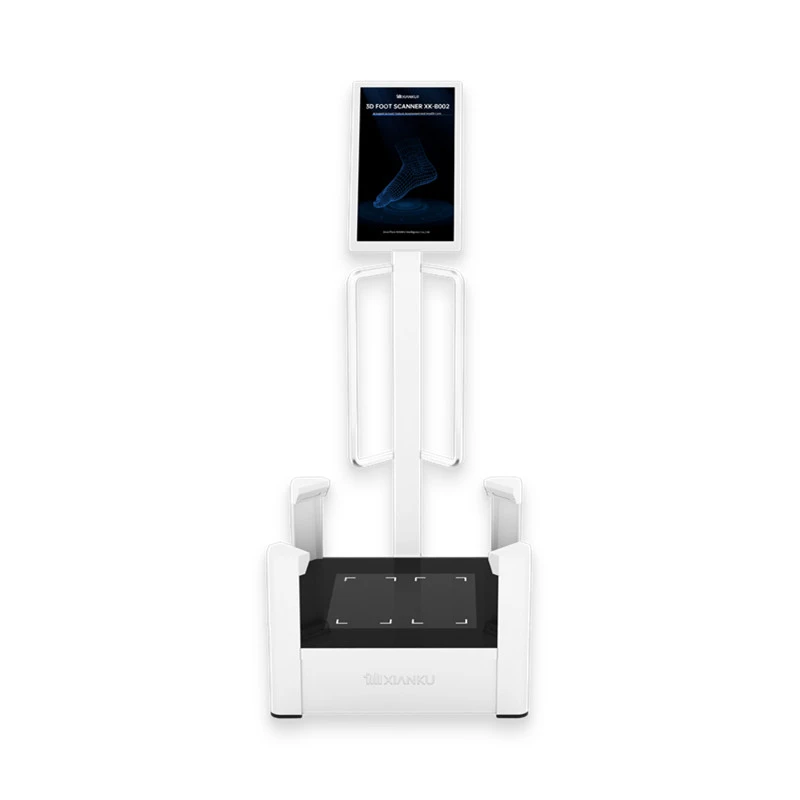
The answer is yes, fast speed foot scans can detect foot bunions. Our fast speed foot scanners use advanced 3D imaging technology to capture detailed and accurate images of the feet in a matter of seconds. These high - resolution images can reveal the structural abnormalities associated with bunions, such as the deviation of the big toe and the protrusion of the metatarsophalangeal joint.
During a foot scan, the scanner captures multiple angles of the foot, creating a comprehensive 3D model. This model can be analyzed by trained professionals to identify the presence and severity of bunions. The scanner can measure the angle of the big toe deviation, the size of the bunion, and other relevant parameters that are crucial for diagnosis and treatment planning.
One of the key advantages of fast speed foot scans is their ability to provide real - time results. Unlike traditional X - rays or other imaging methods, which may require additional time for processing and interpretation, our foot scanners can generate detailed reports immediately after the scan. This allows for prompt diagnosis and treatment decisions, which can be especially beneficial for patients suffering from foot pain.
Benefits of Using Fast Speed Foot Scans for Bunion Detection
There are several benefits to using fast speed foot scans for bunion detection:
1. Early Detection
Early detection of bunions is essential for preventing the progression of the condition. Fast speed foot scans can identify bunions in their early stages, even before symptoms become severe. This allows for early intervention, which can often prevent the need for more invasive treatments such as surgery.
2. Non - Invasive
Fast speed foot scans are non - invasive, meaning they do not require any needles, injections, or incisions. This makes them a comfortable and safe option for patients of all ages. Unlike X - rays, which expose patients to radiation, foot scans use safe and non - harmful technology.
3. Accurate Diagnosis
The high - resolution 3D images provided by fast speed foot scans allow for accurate diagnosis of bunions. This accuracy is crucial for developing personalized treatment plans that are tailored to the specific needs of each patient.
4. Time - Efficient
As the name suggests, fast speed foot scans are quick and efficient. They can be completed in a matter of seconds, making them a convenient option for busy patients and healthcare providers. This efficiency also allows for more patients to be scanned in a shorter period of time, increasing the overall productivity of foot clinics and podiatry practices.
Our Fast Speed Foot Scan Technology
Our company offers state - of - the - art fast speed foot scanners, such as the Xianku 3D Foot Scanner. This scanner is designed to provide high - quality 3D images of the feet with exceptional speed and accuracy. It is suitable for a wide range of applications, including podiatry clinics, orthopedic practices, and sports medicine facilities.
In addition to our foot scanners, we also offer the Xianku 3D Body Scanner, which can provide a comprehensive view of the body's posture and alignment. This scanner can be used in conjunction with the foot scanner to assess the overall impact of foot bunions on the body's biomechanics.
How Our Technology Can Assist in Treatment
Once a bunion is detected using our fast speed foot scan technology, our scanners can continue to play a role in the treatment process. The detailed 3D models generated by the scanner can be used to design custom - made orthotics. These orthotics are specifically tailored to the patient's foot shape and the severity of the bunion, providing support and alignment to help alleviate pain and prevent further progression of the condition.
Our scanners can also be used to monitor the effectiveness of treatment over time. By comparing follow - up scans with the initial scan, healthcare providers can track the changes in the bunion's size and the alignment of the foot. This allows for adjustments to the treatment plan as needed, ensuring the best possible outcome for the patient.
Conclusion
Fast speed foot scans are a valuable tool for detecting foot bunions. Their ability to provide accurate, non - invasive, and real - time results makes them an ideal choice for early detection and treatment planning. As a provider of fast speed foot scan technology, we are committed to helping healthcare professionals and patients alike in the fight against foot bunions.

If you are interested in learning more about our fast speed foot scan technology or would like to discuss potential procurement and partnership opportunities, please feel free to reach out. Our team of experts is ready to assist you in finding the best solution for your needs.
References
- American Podiatric Medical Association. (2023). Hallux Valgus (Bunions). Retrieved from [APMA official website]
- National Institute of Arthritis and Musculoskeletal and Skin Diseases. (2023). Foot Health: Common Foot Problems. Retrieved from [NIAMS official website]