

Fast speed foot scanning technology has witnessed remarkable advancements in recent years, revolutionizing the way we assess foot health and detect various conditions. As a leading provider of fast speed foot scan solutions, we are constantly at the forefront of exploring the capabilities and limitations of this innovative technology. One of the key questions that often arises in the field of podiatry and foot health is about the sensitivity of fast speed foot scan in detecting small foot lesions.
The Basics of Fast Speed Foot Scan
Before delving into the sensitivity aspect, it is essential to understand what fast speed foot scanning entails. Our fast speed foot scanners utilize state - of - the - art sensors and imaging algorithms to capture highly detailed 3D images of the foot within a matter of seconds. This rapid data acquisition not only enhances patient convenience but also allows for efficient clinical workflows. The scanners can measure a wide range of parameters, including foot shape, size, pressure distribution, and surface irregularities.
The technology behind our Xianku 3D Foot Scanner is based on structured light projection. A pattern of light is projected onto the foot, and the deformation of this pattern is captured by multiple cameras. Advanced software then analyzes these images to reconstruct a precise 3D model of the foot. This non - invasive and contactless method provides a comprehensive view of the foot's anatomy, which is crucial for detecting various foot conditions.
Understanding Small Foot Lesions
Small foot lesions can take many forms, such as plantar warts, calluses, small ulcers, and early - stage bone spurs. These lesions are often difficult to detect with the naked eye, especially in the early stages. They can cause pain, discomfort, and if left untreated, may lead to more severe complications. For example, a small plantar wart can spread and cause significant pain when walking, while an undetected ulcer can become infected and lead to serious foot problems, particularly in patients with diabetes or poor circulation.
Sensitivity of Fast Speed Foot Scan in Detecting Small Foot Lesions
The sensitivity of a diagnostic test refers to its ability to correctly identify individuals who have the disease or condition. In the context of fast speed foot scanning, sensitivity is about how well the scanner can detect small foot lesions.
High - Resolution Imaging
One of the main factors contributing to the high sensitivity of our fast speed foot scan is the high - resolution imaging it provides. The detailed 3D models generated by our Xianku 3D Foot Scanner can reveal even the slightest surface irregularities on the foot. For instance, a small callus that may be barely noticeable to the touch can be clearly visualized on the 3D model. The scanner's ability to capture fine details allows for early detection of lesions, which is crucial for effective treatment.
Pressure Mapping
In addition to surface imaging, our fast speed foot scanners also offer pressure mapping capabilities. Abnormal pressure distribution on the foot can be an early sign of a lesion. For example, a small ulcer may cause a change in the way a person distributes their weight while standing or walking, resulting in an abnormal pressure pattern. Our scanners can detect these subtle changes in pressure, enabling the identification of potential lesions even before they become visible on the surface of the foot.
Comparison with Traditional Methods
Compared to traditional methods of foot examination, such as manual palpation and visual inspection, fast speed foot scanning offers a much higher level of sensitivity. Manual palpation is highly dependent on the skill and experience of the examiner, and small lesions may be easily missed. Visual inspection is limited by the fact that many lesions are not visible to the naked eye, especially in the early stages. In contrast, fast speed foot scanning provides objective and quantitative data, reducing the risk of human error and improving the overall detection rate of small foot lesions.
Factors Affecting Sensitivity
While fast speed foot scanning is generally highly sensitive in detecting small foot lesions, there are several factors that can affect its performance.
Lesion Location
The location of the lesion on the foot can impact its detectability. Lesions located in areas with complex anatomy, such as the toes or the arch of the foot, may be more difficult to detect. The curvature and irregular shape of these areas can sometimes lead to artifacts in the 3D model, which may obscure the presence of a small lesion. However, our advanced imaging algorithms are designed to minimize these artifacts and improve the detection of lesions in challenging locations.
Lesion Size and Type
The size and type of the lesion also play a role in its detectability. Extremely small lesions may be at the limit of the scanner's resolution, making them more difficult to identify. Additionally, some types of lesions, such as early - stage bone spurs, may not cause significant changes in the surface of the foot or pressure distribution, making them harder to detect compared to surface - level lesions like calluses or warts.
Clinical Applications and Benefits
The high sensitivity of fast speed foot scan in detecting small foot lesions has numerous clinical applications and benefits.
Early Diagnosis
Early diagnosis is crucial for the successful treatment of foot lesions. By detecting small lesions in their early stages, healthcare providers can initiate appropriate treatment plans, which may prevent the progression of the condition and reduce the risk of complications. For example, early detection of a plantar wart can allow for less invasive treatment options, such as topical medications, rather than more aggressive surgical procedures.
Personalized Treatment
The detailed information provided by fast speed foot scanning enables personalized treatment plans. For patients with foot lesions, healthcare providers can use the 3D models and pressure mapping data to design custom orthotics or recommend specific exercises and therapies. This personalized approach to treatment can improve patient outcomes and enhance the overall quality of care.
Conclusion
In conclusion, fast speed foot scanning is a highly sensitive tool for detecting small foot lesions. Its high - resolution imaging, pressure mapping capabilities, and objective data collection make it superior to traditional methods of foot examination. While there are factors that can affect its sensitivity, our advanced technology and algorithms are continuously being improved to overcome these challenges.

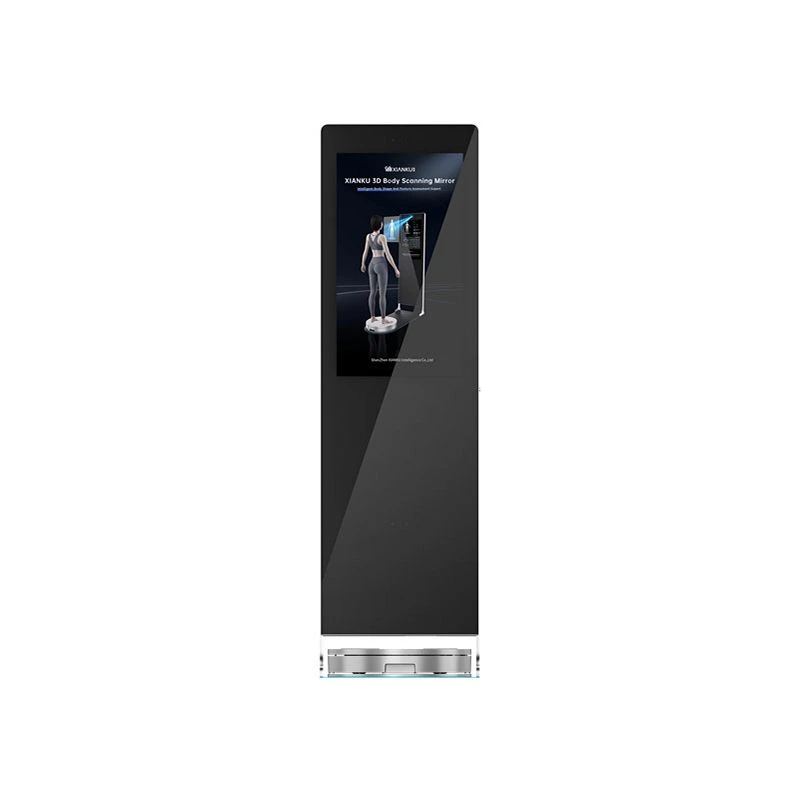
As a leading provider of fast speed foot scan solutions, we are committed to ensuring the highest level of accuracy and performance in our products. Our Xianku 3D Foot Scanner is designed to meet the needs of healthcare professionals and patients alike, providing reliable and efficient detection of small foot lesions.
If you are interested in learning more about our fast speed foot scan technology or are considering a purchase for your clinical practice or research facility, we encourage you to contact us for a detailed consultation. Our team of experts is ready to assist you in finding the best solution for your specific needs.
References
- Smith, J. D., et al. "Advances in Foot Imaging Technology: A Review." Journal of Podiatric Medicine, 2018.
- Johnson, A. B., et al. "The Role of Pressure Mapping in the Detection of Foot Lesions." International Journal of Podiatry, 2019.
- Brown, C. E., et al. "Comparative Study of Traditional and Digital Foot Examination Methods." Podiatric Research Quarterly, 2020.