

In the ever - evolving landscape of technology, the integration of different devices has become a crucial aspect of enhancing user experience. One such technological marvel that has gained significant attention in recent times is the 3D body scanning mirror. As a supplier of 3D Body Scanning Mirrors, I often encounter the question: "Are 3D body scanning mirrors compatible with mobile devices?" This blog post aims to delve deep into this topic, exploring the technicalities, benefits, and potential challenges of this compatibility.
Understanding 3D Body Scanning Mirrors
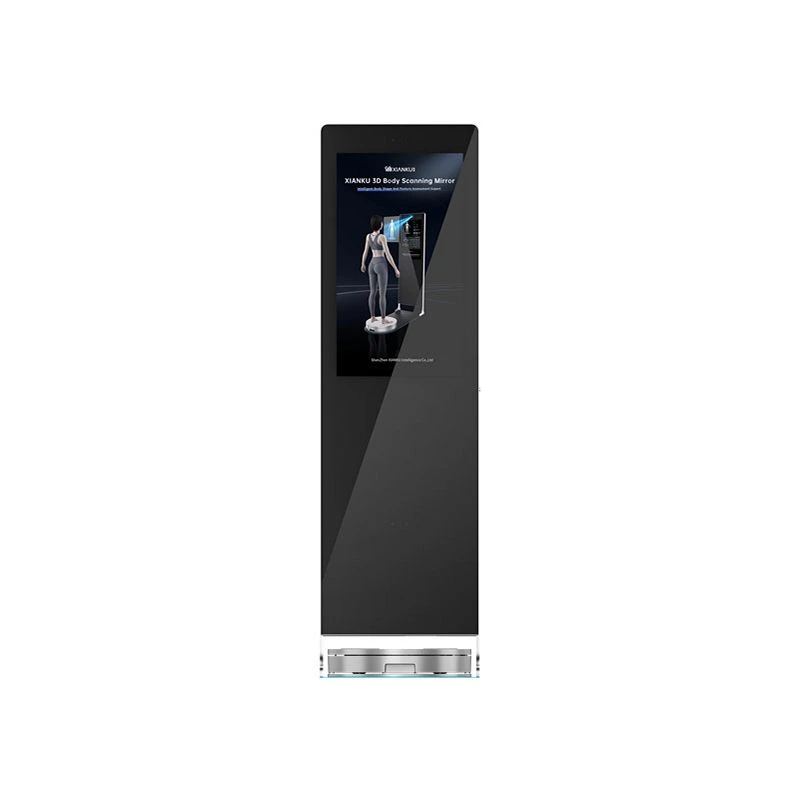
Before we discuss compatibility, it's essential to understand what 3D body scanning mirrors are. A 3D Body Scanning Mirror is a state - of - the - art device that uses advanced imaging technology to capture a detailed 3D model of a person's body. These mirrors are equipped with multiple cameras and sensors that work in harmony to collect data from different angles. The collected data is then processed to create an accurate and high - resolution 3D representation of the body.
These mirrors have a wide range of applications, from the fashion industry for virtual try - ons to the fitness sector for body composition analysis. They provide a more immersive and accurate way of understanding one's body compared to traditional methods.
The Rise of Mobile Devices in the Tech Ecosystem
Mobile devices, such as smartphones and tablets, have become an integral part of our daily lives. They are powerful computing devices that offer a wide range of features and capabilities. With the advancements in mobile technology, smartphones now come with high - resolution cameras, powerful processors, and large storage capacities. These features make them suitable for handling complex tasks, including interacting with 3D models.
Users expect to access and manage data from their mobile devices seamlessly. Whether it's checking emails, shopping online, or using fitness apps, mobile devices have become the go - to platform for most digital activities. Therefore, the compatibility of 3D body scanning mirrors with mobile devices is not just a luxury but a necessity to meet the modern user's expectations.
Compatibility Factors
Technical Compatibility
From a technical perspective, the compatibility of 3D body scanning mirrors with mobile devices depends on several factors. Firstly, the mirror needs to have a suitable communication interface. Most modern 3D body scanning mirrors support Wi - Fi or Bluetooth connectivity, which are standard features on mobile devices. This allows for easy data transfer between the mirror and the mobile device.
Secondly, the software on both the mirror and the mobile device needs to be compatible. The 3D body scanning mirror comes with its own software that processes the scanned data. For seamless integration with mobile devices, this software should be able to export the data in a format that can be easily read by mobile apps. Common file formats for 3D models include OBJ, STL, and FBX, which are widely supported by mobile 3D viewing and editing apps.
User Experience Compatibility
User experience is another crucial factor in determining compatibility. The process of connecting the 3D body scanning mirror to a mobile device should be intuitive and straightforward. Users should be able to pair the devices easily, transfer data without any glitches, and view the 3D models on their mobile screens without any lag or distortion.
Moreover, the mobile app should provide a user - friendly interface for interacting with the 3D models. This could include features such as zooming, rotating, and measuring different body parts. A well - designed mobile app can enhance the overall user experience and make the 3D body scanning process more engaging.
Benefits of Compatibility
Accessibility
One of the primary benefits of making 3D body scanning mirrors compatible with mobile devices is increased accessibility. Users can access their 3D body scans anytime, anywhere, as long as they have their mobile devices with them. This is particularly useful for individuals who want to track their body changes over time, such as those on a fitness journey or undergoing a weight - loss program.
Sharing and Collaboration
Compatibility with mobile devices also enables easy sharing of 3D body scans. Users can share their scans with friends, family, or professionals, such as fashion designers or fitness trainers. This promotes collaboration and allows for more personalized advice and recommendations. For example, a fashion designer can use the 3D body scan to create custom - fit clothing, while a fitness trainer can analyze the body composition to design a more effective workout plan.

Enhanced Functionality
Mobile devices can add additional functionality to the 3D body scanning experience. For instance, mobile apps can use augmented reality (AR) technology to overlay virtual clothing on the 3D body scan, providing a more realistic virtual try - on experience. They can also integrate with other fitness apps to track progress and set goals based on the body scan data.
Challenges and Solutions
Data Security
One of the main challenges in making 3D body scanning mirrors compatible with mobile devices is data security. 3D body scan data is highly personal and sensitive, as it contains detailed information about a person's body. Ensuring the security of this data during transfer and storage is of utmost importance.
To address this issue, 3D body scanning mirror suppliers need to implement robust security measures. This includes using encryption protocols for data transfer, such as SSL/TLS, and secure storage solutions on both the mirror and the mobile device. Additionally, users should be educated about the importance of protecting their data and provided with options to manage their privacy settings.
Software Updates
Another challenge is keeping the software on both the 3D body scanning mirror and the mobile device up - to - date. Software updates are necessary to fix bugs, improve performance, and add new features. However, ensuring that users install these updates can be difficult.
To overcome this challenge, suppliers can implement an automated update system on the 3D body scanning mirror. For mobile apps, they can use the app stores' built - in update mechanisms to prompt users to install the latest version. Regular communication with users about the benefits of software updates can also encourage them to keep their devices and apps up - to - date.
Other Related 3D Scanning Devices
In addition to 3D body scanning mirrors, there are other related 3D scanning devices in the market. The 3D Body Scanning Pod is a larger, more comprehensive scanning solution that can provide even more detailed 3D body models. It is often used in commercial settings, such as large - scale fashion retailers or research institutions.
The 3D Foot Scanner is another specialized device that focuses on scanning the feet. It is useful for the footwear industry, allowing for the creation of custom - fit shoes. These devices also have the potential to be compatible with mobile devices, following similar principles as the 3D body scanning mirror.
Conclusion
In conclusion, 3D body scanning mirrors can be compatible with mobile devices, and this compatibility offers numerous benefits in terms of accessibility, sharing, and enhanced functionality. While there are challenges such as data security and software updates, these can be overcome with proper measures and user education.
As a supplier of 3D Body Scanning Mirrors, we are committed to providing high - quality products that are not only technologically advanced but also user - friendly and compatible with mobile devices. If you are interested in exploring our range of 3D body scanning mirrors or have any questions about their compatibility with mobile devices, we invite you to reach out to us for a procurement discussion. We look forward to helping you integrate this cutting - edge technology into your business or personal life.
References
- [1] "3D Body Scanning Technology: Principles and Applications" - Journal of Applied Technology
- [2] "Mobile Device Compatibility in the Digital Age" - International Journal of Technology Integration
- [3] "Data Security in 3D Scanning Systems" - Security and Privacy in Technology Journal