

In the era of rapid technological advancement, 3D body scanning technology has emerged as a revolutionary tool with a wide range of applications, from the fashion industry to healthcare. As a supplier of 3D body scanning devices, including the 3D Body Scanning Mirror, 3D Body Scanning Pod, and 3D Foot Scanner, I often encounter questions about the privacy implications of using these innovative products. In this blog post, I will delve into the potential privacy concerns associated with 3D body scanning mirrors and discuss how we address them to ensure the security and confidentiality of our customers' data.

Understanding 3D Body Scanning Technology
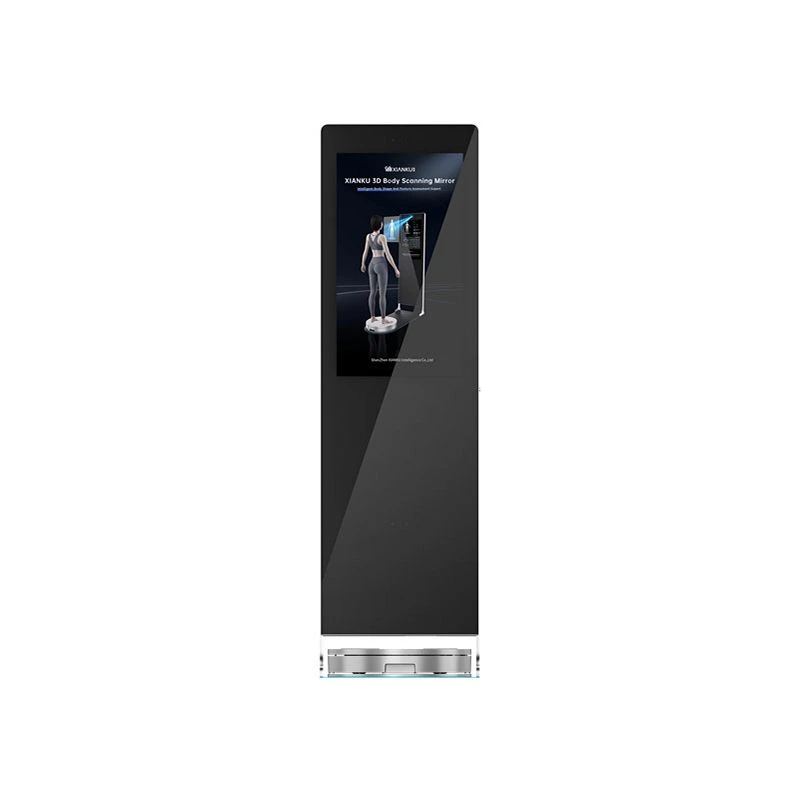
Before we explore the privacy concerns, it's essential to understand how 3D body scanning mirrors work. These devices use advanced sensors and cameras to capture detailed three - dimensional images of a person's body. The data collected includes body measurements, shape, and sometimes even surface texture. This information can be used for various purposes, such as creating custom - fit clothing, analyzing body composition for fitness and health monitoring, and virtual try - ons in the retail sector.
Potential Privacy Concerns
- Data Collection and Storage
- One of the primary privacy concerns is the collection and storage of personal body data. When a user steps in front of a 3D body scanning mirror, a large amount of sensitive information is gathered. This data, if not properly protected, could be misused. For example, unauthorized access to body scan data could lead to identity theft or the use of the data for discriminatory purposes, such as in employment or insurance.
- Additionally, the long - term storage of this data raises questions about who has access to it and for how long. If the data is stored indefinitely without proper consent and security measures, it poses a significant privacy risk.
- Sharing of Data
- Many companies that use 3D body scanning technology may share the data with third - parties. This could include partners in the fashion industry, software developers, or research institutions. When data is shared, there is a risk that it may be used for purposes other than what the user originally consented to. For instance, a user may consent to have their data used for custom - clothing creation but find that it is also being used for marketing research without their knowledge.
- Data Security
- With the increasing threat of cyberattacks, the security of 3D body scan data is of utmost importance. Hackers may target the servers where this data is stored in order to gain access to sensitive personal information. A successful attack could result in the leakage of body scan data, which could cause embarrassment and potential harm to the individuals whose data has been compromised.
How We Address Privacy Concerns
- Robust Data Protection Policies
- At our company, we have established comprehensive data protection policies. These policies clearly define how the data is collected, used, and stored. We ensure that all data collection is done with the explicit consent of the user. Before a scan, users are provided with detailed information about what data will be collected, how it will be used, and who it may be shared with.
- In terms of storage, we use state - of - the - art encryption techniques to protect the data. Our servers are located in secure data centers with strict access controls. We also have a data retention policy that limits the amount of time the data is stored based on legal requirements and business needs.
- Limited Data Sharing
- We are very cautious about sharing user data with third - parties. When we do share data, it is only done with the user's explicit consent and under strict contractual agreements. These agreements ensure that the third - parties use the data only for the specified purposes and maintain the same level of data security as we do.
- Continuous Security Monitoring
- Our IT team conducts continuous security monitoring of our systems. We use advanced intrusion detection systems and regularly update our security protocols to protect against emerging threats. In addition, we perform regular security audits to ensure that our data protection measures are up - to - date and effective.
Industry Standards and Regulations
The 3D body scanning industry is subject to various privacy regulations, such as the General Data Protection Regulation (GDPR) in Europe and the California Consumer Privacy Act (CCPA) in the United States. These regulations set strict standards for data collection, storage, and sharing. As a responsible supplier, we ensure that our products and services comply with all relevant regulations. We also stay updated on any changes in the regulatory environment to ensure ongoing compliance.
Transparency and User Empowerment
We believe in being transparent with our users. We provide clear and easy - to - understand privacy policies on our website and at the point of data collection. Users have the right to access, correct, or delete their data at any time. We also offer users the option to opt - out of data collection or sharing if they do not wish to participate.
Conclusion
While there are legitimate privacy concerns associated with using 3D body scanning mirrors, these can be effectively addressed through proper data protection measures, compliance with regulations, and transparency. As a supplier of 3D Body Scanning Mirror, 3D Body Scanning Pod, and 3D Foot Scanner, we are committed to ensuring the privacy and security of our customers' data.
If you are interested in incorporating our 3D body scanning technology into your business, whether it's for the fashion industry, fitness centers, or retail stores, we invite you to contact us for a detailed discussion. Our team of experts can provide you with more information on how our products work, the privacy measures in place, and how they can benefit your specific business needs.
References
- European Union. (2016). Regulation (EU) 2016/679 of the European Parliament and of the Council of 27 April 2016 on the protection of natural persons with regard to the processing of personal data and on the free movement of such data, and repealing Directive 95/46/EC (General Data Protection Regulation).
- California Legislature. (2018). California Consumer Privacy Act of 2018.