

In recent years, the advancement of 3D scanning technology has revolutionized various industries, and the field of orthotics design is no exception. As a supplier of 3D feet scanners, I am often asked whether these devices can be effectively used for orthotics design. In this blog post, I will explore the potential of 3D feet scanners in orthotics design, highlighting their benefits, limitations, and the current state of the technology.
The Role of 3D Scanning in Orthotics Design
Orthotics are custom-made devices designed to support, align, prevent, or correct deformities of the foot and lower limb. Traditionally, orthotics design has relied on manual measurements and casting techniques, which can be time-consuming, inaccurate, and uncomfortable for the patient. 3D scanning technology offers a more efficient and precise alternative, allowing for the creation of detailed digital models of the foot.
A 3D feet scanner uses advanced sensors and cameras to capture the shape, size, and contours of the foot from multiple angles. The data collected is then processed to create a three-dimensional model that can be analyzed and manipulated using specialized software. This digital model provides orthotists with a comprehensive view of the foot's structure, allowing them to identify any abnormalities or imbalances and design orthotics that are tailored to the individual patient's needs.
Benefits of Using 3D Feet Scanners for Orthotics Design
Accuracy and Precision
One of the primary advantages of 3D feet scanners is their ability to provide highly accurate and precise measurements of the foot. Unlike manual measurements, which can be subject to human error, 3D scanners capture detailed data with a high degree of resolution, ensuring that the orthotics are designed to fit the patient's foot perfectly. This precision can lead to better outcomes for patients, as well-fitting orthotics can provide greater support, comfort, and pain relief.
Efficiency and Time Savings
Another significant benefit of 3D feet scanners is their efficiency. The scanning process is quick and non-invasive, taking only a few minutes to complete. This not only saves time for both the patient and the orthotist but also allows for more patients to be seen in a shorter period. Additionally, the digital models created by 3D scanners can be easily shared and stored, eliminating the need for physical casts and reducing the risk of damage or loss.
Customization and Personalization
3D feet scanners enable orthotists to create orthotics that are customized to the specific needs of each patient. By analyzing the digital model of the foot, orthotists can identify areas of high pressure, abnormal gait patterns, or other issues that may require special attention. They can then design orthotics that address these problems, providing personalized support and correction. This level of customization can significantly improve the effectiveness of orthotics and enhance the patient's quality of life.
Improved Patient Experience
The use of 3D feet scanners can also enhance the patient experience. The scanning process is painless and comfortable, eliminating the need for messy and uncomfortable casting techniques. Additionally, patients can see the digital model of their foot in real-time, which can help them better understand their condition and the treatment options available. This increased transparency and communication can lead to greater patient satisfaction and compliance.
Limitations of 3D Feet Scanners in Orthotics Design
While 3D feet scanners offer many benefits, they also have some limitations. One of the main challenges is the cost of the equipment. 3D scanners can be expensive to purchase and maintain, which may limit their availability in some settings. Additionally, the software used to analyze and design orthotics can also be costly and require specialized training to use effectively.
Another limitation is the accuracy of the scanning process. While 3D scanners are generally very accurate, they can be affected by factors such as patient movement, skin texture, and footwear. This can result in some distortion or inaccuracies in the digital model, which may require additional manual measurements or adjustments.
Finally, it is important to note that 3D feet scanners are just one tool in the orthotist's arsenal. While they can provide valuable information about the foot's structure, they do not replace the expertise and clinical judgment of a trained orthotist. Orthotists still need to consider other factors, such as the patient's medical history, gait analysis, and functional goals, when designing orthotics.
Current State of 3D Scanning Technology in Orthotics Design
Despite these limitations, the use of 3D feet scanners in orthotics design is becoming increasingly common. Many orthotics clinics and laboratories are now investing in 3D scanning technology to improve the accuracy, efficiency, and customization of their orthotics. Additionally, there is ongoing research and development in the field of 3D scanning, which is leading to the development of more advanced and affordable scanners.
One of the latest trends in 3D scanning technology is the integration of multiple sensors and cameras to capture more comprehensive data about the foot. For example, some scanners now use infrared sensors to measure the temperature of the foot, which can provide additional information about blood flow and nerve function. Other scanners use pressure sensors to measure the distribution of pressure on the foot during walking or standing, which can help orthotists identify areas of high pressure and design orthotics to alleviate these problems.
Another area of development is the use of 3D printing technology to manufacture orthotics. 3D printing allows for the rapid and cost-effective production of custom orthotics, eliminating the need for traditional manufacturing processes such as injection molding or thermoforming. This can reduce the lead time for orthotics production and make them more accessible to patients.
Conclusion
In conclusion, 3D feet scanners have the potential to revolutionize the field of orthotics design. They offer many benefits, including accuracy, precision, efficiency, customization, and improved patient experience. While there are some limitations to the technology, ongoing research and development are addressing these issues and making 3D scanners more advanced and affordable.
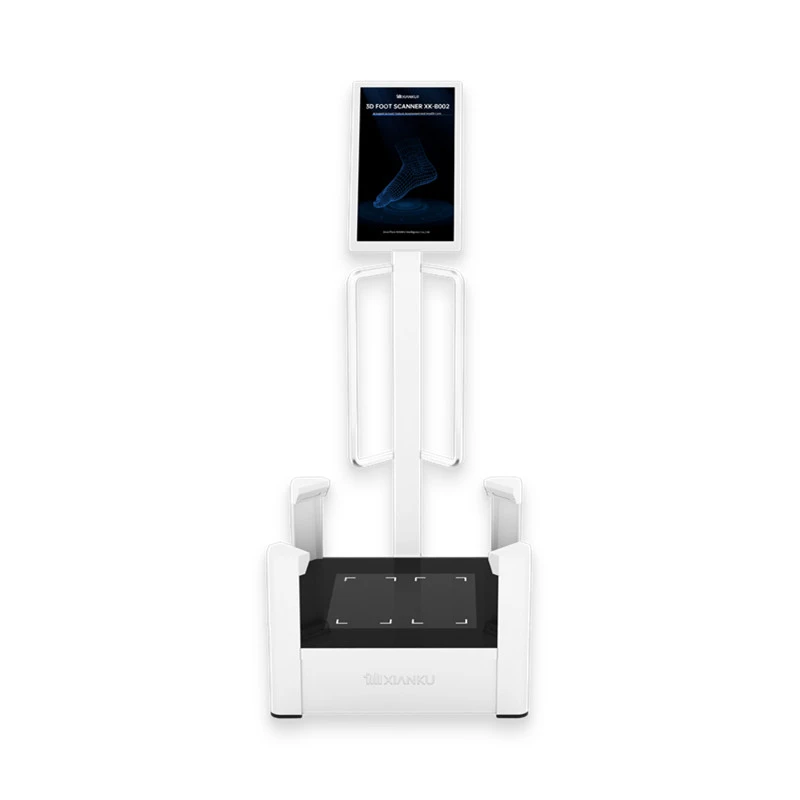

As a supplier of 3D feet scanners, I believe that this technology has the potential to transform the way orthotics are designed and manufactured. By providing orthotists with accurate and detailed information about the foot, 3D scanners can help them create orthotics that are tailored to the specific needs of each patient, improving outcomes and enhancing the patient experience.
If you are interested in learning more about our 3D feet scanners or exploring how they can be used in orthotics design, please contact us. Our team of experts is available to answer your questions and provide you with more information about our products and services.
References
- [1] K. Sangeux, S. Payan, and C. Fregly, "3D foot scanning and modeling for footwear and orthotics design," Computer-Aided Design, vol. 40, no. 4, pp. 439-450, 2008.
- [2] M. C. Dananberg, "The use of 3D scanning technology in orthotics and prosthetics," Journal of Prosthetics and Orthotics, vol. 21, no. 1, pp. 1-6, 2009.
- [3] J. R. Hicks, "The mechanics of the foot. I. The joints," Journal of Anatomy, vol. 90, no. 3, pp. 348-357, 1956.
- [4] M. R. Cavanagh, "Biomechanics of the human foot," Annual Review of Biophysics and Bioengineering, vol. 7, pp. 259-292, 1978.
- [5] S. R. Simon, "Orthotics: prescription, fabrication, and use," Clinics in Podiatric Medicine and Surgery, vol. 11, no. 3, pp. 491-506, 1994.