

Hey there! As a supplier of whole body scan devices, I often get asked this burning question: Can a whole body scan detect cancer? Well, let's dig into this topic and find out.
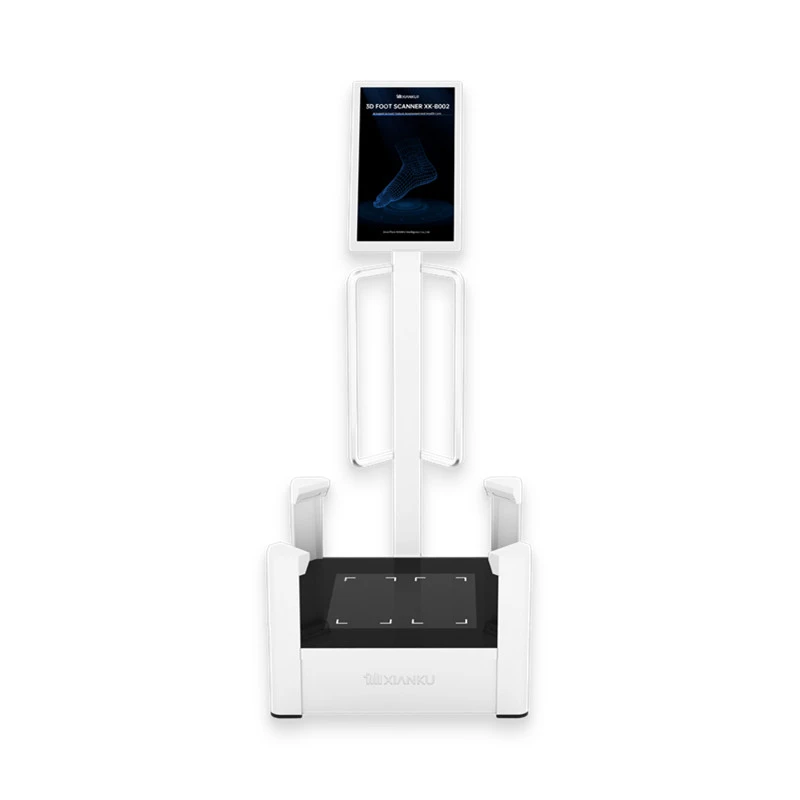
First off, what exactly is a whole body scan? Whole body scans use different technologies to create detailed images of the inside of your body. At our company, we offer some really cool options like the 3D Body Scanning Mirror, the 3D Body Scanning Pod, and the 3D Foot Scanner. These scanners are not only used in the medical field but also in other areas like fitness and fashion for body measurements. But when it comes to cancer detection, that's a whole different ballgame.
There are several types of whole body scans, and each has its own pros and cons when it comes to spotting cancer. One of the most common types is the CT (Computed Tomography) scan. A CT scan takes a series of X - ray images from different angles and then uses a computer to create cross - sectional pictures of your body. It can detect tumors in many parts of the body, including the lungs, liver, and kidneys. The high - resolution images can show the size, shape, and location of a potential tumor.
For example, in lung cancer, a CT scan can often spot small nodules that might be early - stage tumors. These nodules might not be visible on a regular chest X - ray. However, the downside is that CT scans use radiation. Too much exposure to radiation can actually increase the risk of developing cancer in the long run. So, doctors usually weigh the benefits of detecting cancer against the potential harm of radiation when recommending a CT scan.
Another type of whole body scan is the MRI (Magnetic Resonance Imaging). Instead of radiation, an MRI uses a strong magnetic field and radio waves to create detailed images of your body's soft tissues. It's great for detecting tumors in the brain, spinal cord, and joints. MRI is particularly useful because it can provide different types of images, showing different aspects of the body. For instance, it can distinguish between healthy tissue and cancerous tissue based on the way they respond to the magnetic field. But MRIs are expensive and time - consuming. They also require you to lie still in a narrow tube, which can be a problem for people who are claustrophobic.
PET (Positron Emission Tomography) scans are also used for cancer detection. A PET scan involves injecting a small amount of radioactive tracer into your body. Cancer cells absorb the tracer at a higher rate than normal cells. Then, a special camera detects the radiation emitted by the tracer, creating images that can show areas of increased metabolic activity, which could be cancer. PET scans are often used in combination with CT scans (PET - CT) to get a more comprehensive view of the body. This combination can help doctors determine if cancer has spread to other parts of the body, which is crucial for treatment planning.

However, PET scans also have limitations. Sometimes, other non - cancerous conditions like infections can also cause increased metabolic activity, leading to false - positive results. And like CT scans, PET scans involve radiation exposure.
Now, let's talk about our scanners. While our 3D Body Scanning Mirror, 3D Body Scanning Pod, and 3D Foot Scanner are not primarily designed for cancer detection, they do have some potential applications in the early detection process. For example, they can be used to monitor changes in body shape and size over time. Unexplained weight loss or gain, or changes in body volume in a specific area, could be signs of an underlying health issue, including cancer.
In a medical setting, our scanners can provide baseline data for patients. Doctors can compare future scans with the initial ones to see if there are any significant changes. This continuous monitoring can potentially lead to earlier detection of problems, which is always better for treatment outcomes.
It's important to note that a whole body scan is not a substitute for regular cancer screenings. Mammograms for breast cancer, Pap smears for cervical cancer, and colonoscopies for colorectal cancer are still the gold - standard screening methods for specific types of cancer. Whole body scans are more like additional tools that can be used in certain situations.
For example, if a patient has a family history of cancer or has symptoms that suggest cancer but the cause is unknown, a whole body scan might be ordered. It can help doctors get a more complete picture of what's going on inside the body and guide further testing and treatment.
When it comes to using our whole body scan devices in a healthcare facility, they offer several advantages. They are non - invasive, which means there's no need for surgery or needles. They are also quick and easy to use. Patients can simply stand in the 3D Body Scanning Pod or in front of the 3D Body Scanning Mirror, and within minutes, the scanner can generate a detailed 3D model of their body.
In the fitness and wellness industry, our scanners can also play a role in cancer prevention. By helping people monitor their body composition, they can encourage a healthy lifestyle. Maintaining a healthy weight, eating a balanced diet, and exercising regularly can all reduce the risk of developing cancer.
So, to answer the question, yes, a whole body scan can detect cancer. But it's not a one - size - fits - all solution. Each type of scan has its own strengths and weaknesses, and doctors need to carefully consider the patient's situation before recommending a scan.
If you're a healthcare provider, a fitness center owner, or someone interested in using our whole body scan devices, we'd love to have a chat with you. Our technology can not only contribute to cancer detection but also has a wide range of other applications. Whether it's for early detection, body monitoring, or fitness assessment, our 3D Body Scanning Mirror, 3D Body Scanning Pod, and 3D Foot Scanner can be valuable assets. Reach out to us to discuss how our products can fit into your needs and start a conversation about purchasing and integrating them into your practice or business.
References
- American Cancer Society. "Cancer Screening Tests".
- National Cancer Institute. "CT Scans for Cancer".
- Mayo Clinic. "MRI and Cancer".