

Hey there! As a supplier of body fat scan devices, I've been getting a lot of questions lately about whether a body fat scan can be used to assess the health of athletes. Well, let's dive right into it and explore this topic.
First off, what exactly is a body fat scan? It's a technology that uses various methods to measure the amount of fat in the body. There are different types of body fat scans, like DEXA (Dual - Energy X - ray Absorptiometry), bioelectrical impedance analysis (BIA), and 3D body scanning. Each has its own pros and cons, but they all aim to give you an idea of your body composition.
Now, when it comes to athletes, their health assessment is a bit more complex than the average person. Athletes have unique physical demands based on their sport. For example, a sprinter needs explosive power, while a long - distance runner requires endurance. Their body compositions are also different. A bodybuilder might have a very low body fat percentage and high muscle mass, while a swimmer could have a different balance of fat and muscle to optimize buoyancy and movement in the water.

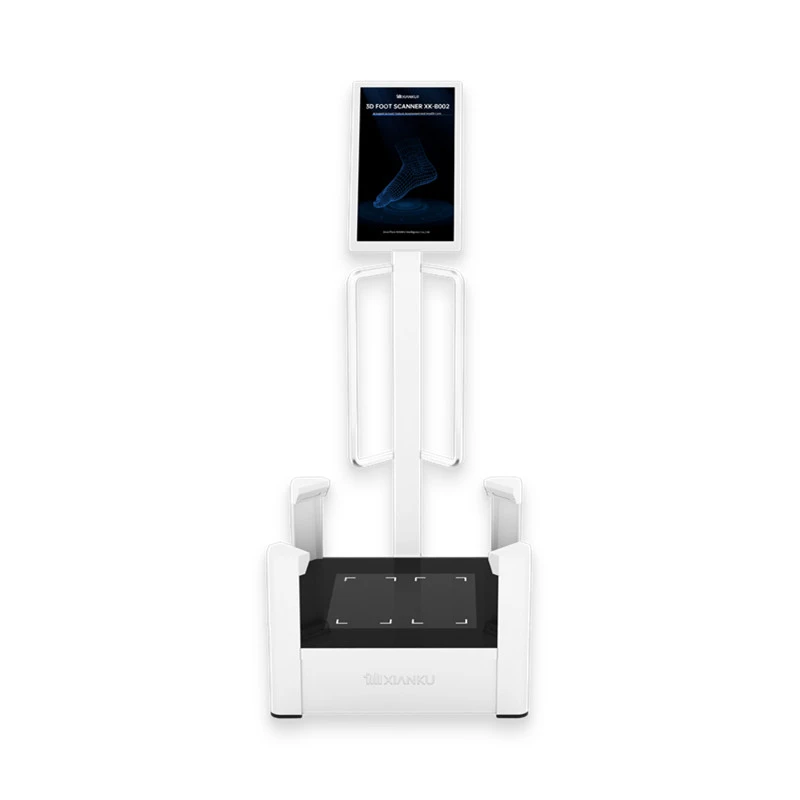
So, can a body fat scan be useful for assessing their health? Absolutely! One of the key benefits of a body fat scan for athletes is that it provides an accurate measure of body fat percentage. This is crucial because having too much or too little body fat can have a significant impact on an athlete's performance and overall health.
For instance, if an athlete has too high a body fat percentage, it can slow them down. Extra fat means more weight to carry around, which can be a real hindrance, especially in sports that require speed and agility. On the other hand, having too low a body fat percentage can lead to hormonal imbalances, decreased immune function, and even increased risk of injury. A body fat scan can help athletes and their coaches monitor this and make appropriate adjustments to their training and diet.
Let's talk about the different types of body fat scans in more detail. DEXA scans are considered one of the most accurate methods. They use low - dose X - rays to measure bone density, muscle mass, and body fat. This gives a very comprehensive view of an athlete's body composition. However, DEXA scans can be expensive and not always readily available.
BIA, on the other hand, is a more affordable and accessible option. It works by sending a small electrical current through the body and measuring the resistance. Since fat and muscle have different electrical properties, the device can estimate body fat percentage. But BIA can be affected by factors like hydration levels, so it might not be as accurate as a DEXA scan.
Then there's 3D body scanning. This technology creates a detailed 3D model of the athlete's body. It can measure body fat distribution, muscle mass, and even body shape. It's non - invasive and quick, making it a great option for regular monitoring. You can check out our 3D Body Scanning Pod which offers this advanced 3D scanning technology.
In addition to body fat percentage, a body fat scan can also provide information about muscle mass. Muscle is the engine that powers an athlete's performance. By tracking changes in muscle mass over time, athletes can see if their training is effective. If an athlete is trying to build muscle, the scan can show if they're making progress. And if they're at risk of losing muscle, perhaps due to over - training or injury, the scan can alert them and their coaches.
Another aspect where body fat scans can be helpful is in injury prevention. Certain body fat distributions can put more stress on joints and muscles. For example, if an athlete has a lot of fat around their abdomen, it can change their center of gravity and increase the risk of lower back pain or knee problems. By identifying these potential issues early, athletes can take steps to correct their body composition and reduce the risk of injury.
But it's important to note that a body fat scan is just one piece of the puzzle. It shouldn't be the only factor in assessing an athlete's health. Other things like cardiovascular fitness, flexibility, and mental health are also crucial. For example, an athlete could have a great body fat percentage but still have poor cardiovascular endurance, which would limit their performance in endurance sports.
We also offer other related products that can complement the use of body fat scans. Our Healthy 3D Customized Pillow is designed to support proper spinal alignment during sleep, which is essential for an athlete's recovery. And our 3D Foot Scanner can help in getting the right footwear, which is important for preventing foot and leg injuries.
In conclusion, a body fat scan can be a valuable tool for assessing the health of athletes. It provides important information about body fat percentage, muscle mass, and body fat distribution. This data can help athletes and their coaches make informed decisions about training, diet, and injury prevention. However, it should be used in conjunction with other health assessments.
If you're an athlete, a coach, or part of a sports organization and are interested in using our body fat scan devices or any of our other products, we'd love to have a chat with you. We can discuss how our technology can fit into your training and health assessment programs. Just reach out to us, and we'll be happy to start the conversation about how we can help you achieve your sports goals.
References
- Lohman, T. G., Roche, A. F., & Martorell, R. (Eds.). (1988). Anthropometric standardization reference manual. Human Kinetics.
- Heyward, V. H., & Stolarczyk, L. M. (2010). Applied body composition assessment. Human Kinetics.