

Hey there, fitness enthusiasts! As a supplier of body fat scans, I've been getting a ton of questions lately about whether a body fat scan can be used to determine the best exercise routine. It's a super interesting topic, and I'm stoked to dive into it with you.
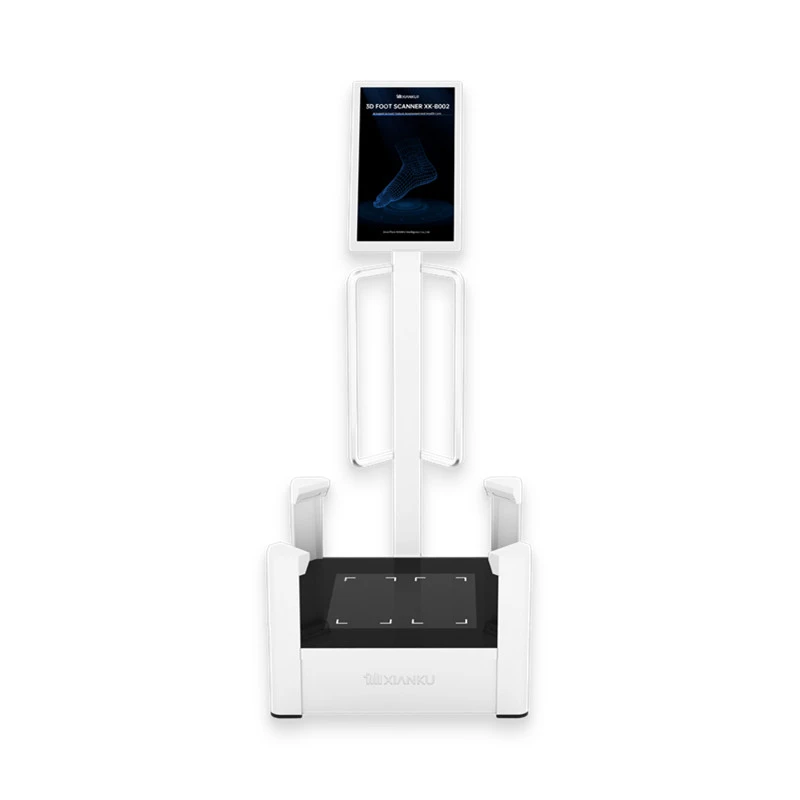
First off, let's talk about what a body fat scan actually is. There are a few different types out there, but the ones we supply are top - notch. We've got the Xianku 3D Body Scanner, the Xianku 3D Body Scanning Room, and the Xianku 3D Foot Scanner. These scanners use advanced technology to give you a detailed breakdown of your body composition, including how much fat you've got, where it's located, and how it compares to healthy standards.
So, can this info help you figure out the best exercise routine? The short answer is yes, but it's a bit more complicated than just stepping into a scanner and getting a workout plan handed to you.
Let's start with the basics. Knowing your body fat percentage is crucial. If you're carrying around a lot of extra fat, your main goal might be to lose weight and reduce that fat percentage. On the other hand, if you've got a relatively low body fat percentage but want to build more muscle, your exercise routine will look very different.
For example, if your body fat scan shows that you have a high overall body fat percentage, you'll probably want to focus on cardio exercises. Cardio gets your heart rate up and helps you burn calories, which is key for fat loss. Running, cycling, swimming, and using an elliptical machine are all great options. You can start with shorter sessions, say 20 - 30 minutes a few times a week, and gradually increase the duration and intensity as you get fitter.
But it's not just about cardio. Strength training is also important. A body fat scan can show you which areas of your body have more fat deposits. If, for instance, your scan reveals that you've got a lot of fat around your mid - section, you can target those muscles with exercises like planks, sit - ups, and Russian twists. Strength training helps build muscle, and muscle burns more calories at rest than fat does. So, the more muscle you build, the more calories you'll burn throughout the day, even when you're not working out.
Now, let's say your body fat scan shows that you're in a healthy body fat range but want to tone up and build muscle. In this case, you'll want to shift your focus to more intense strength training. You can do compound exercises like squats, deadlifts, and bench presses. These exercises work multiple muscle groups at once, which is great for building overall strength and muscle mass. You'll also want to increase the weight you're lifting gradually over time. This is called progressive overload, and it's essential for muscle growth.
Another thing a body fat scan can tell you is your body fat distribution. Some people tend to carry fat in their hips and thighs (pear - shaped), while others carry it around their abdomen (apple - shaped). Apple - shaped individuals are at a higher risk of certain health problems, like heart disease and diabetes. If your scan shows that you're apple - shaped, you might want to pay extra attention to exercises that target your abdominal area and also focus on reducing overall body fat through a combination of cardio and strength training.
But here's the deal. A body fat scan is just a tool. It gives you valuable information, but it doesn't replace the expertise of a fitness professional. A personal trainer or a fitness coach can take the data from your body fat scan and create a customized exercise routine that takes into account your fitness goals, your current fitness level, any health issues you might have, and your lifestyle.
For example, if you have a busy work schedule and can only work out for 30 minutes a day, a trainer can design a routine that maximizes those 30 minutes. They can also adjust your routine as you progress and your body composition changes.
One of the great things about our body fat scanners is that they're not just one - time use. You can get scanned regularly, say every few months. This allows you to track your progress over time. You can see how your body fat percentage is changing, where you're losing fat, and where you're building muscle. It's like having a visual record of your fitness journey.
Let's talk about some real - life examples. I had a client who came to me feeling frustrated. He'd been working out for a while but wasn't seeing the results he wanted. After getting a body fat scan, we discovered that he had a high body fat percentage and most of his fat was concentrated around his mid - section. We worked with a trainer to create a routine that included a mix of cardio, like running and cycling, and strength training focused on his abdominal and core muscles. After a few months of following the routine and getting regular scans, he was able to see a significant reduction in his body fat percentage and a more toned mid - section.
Another client was an athlete who wanted to optimize his performance. His body fat scan showed that he had a low body fat percentage but wanted to build more muscle in his legs for better speed and power. We designed a strength - training program that focused on leg exercises like squats, lunges, and leg presses. Regular scans helped us track his muscle growth and make adjustments to his routine as needed.
In conclusion, a body fat scan can be an incredibly useful tool for determining the best exercise routine. It gives you detailed information about your body composition that can help you set realistic goals and create a targeted workout plan. However, it's important to remember that it's just one piece of the puzzle. Working with a fitness professional and combining the scan data with their expertise will give you the best results.
If you're interested in learning more about our body fat scanners or want to discuss how they can help you design the perfect exercise routine, don't hesitate to reach out. We're here to help you on your fitness journey and make sure you get the most out of your workouts.

References
- American Council on Exercise. (n.d.). Body Fat Testing.
- Mayo Clinic. (n.d.). Exercise for weight loss: Calories burned in 1 hour.
- Strength and Conditioning Journal. (Various issues). Research on exercise programming based on body composition.