

In the pursuit of a healthier lifestyle, weight loss is a common goal for many individuals. Traditional methods of tracking weight loss, such as using a scale or taking body measurements with a tape, have been the norm for decades. However, with the rapid advancement of technology, digital body scans are emerging as a potentially more accurate and comprehensive way to monitor weight loss progress. As a supplier of digital body scan solutions, I'd like to explore the viability and benefits of using digital body scans for this purpose.
Understanding Digital Body Scans
Digital body scans come in various forms, each with its own set of features and capabilities. Our product range includes the 3D Foot Scanner, 3D Body Scanning Pod, and 3D Body Scanning Mirror. These scanners use advanced imaging technology, such as 3D cameras and sensors, to create a detailed digital model of the human body.
The 3D Foot Scanner is specifically designed to capture the precise shape and dimensions of the feet. While it may not seem directly related to weight loss, it can provide valuable information about how weight distribution changes as a person loses weight. For example, as weight is shed, the pressure on the feet may shift, and the scanner can detect these changes over time.
The 3D Body Scanning Pod offers a full - body scan, providing a comprehensive view of the body's shape, volume, and surface area. It can accurately measure body fat percentage, muscle mass, and body circumferences. This detailed data can be used to track changes in body composition, which is a more accurate indicator of weight loss progress than just overall weight.
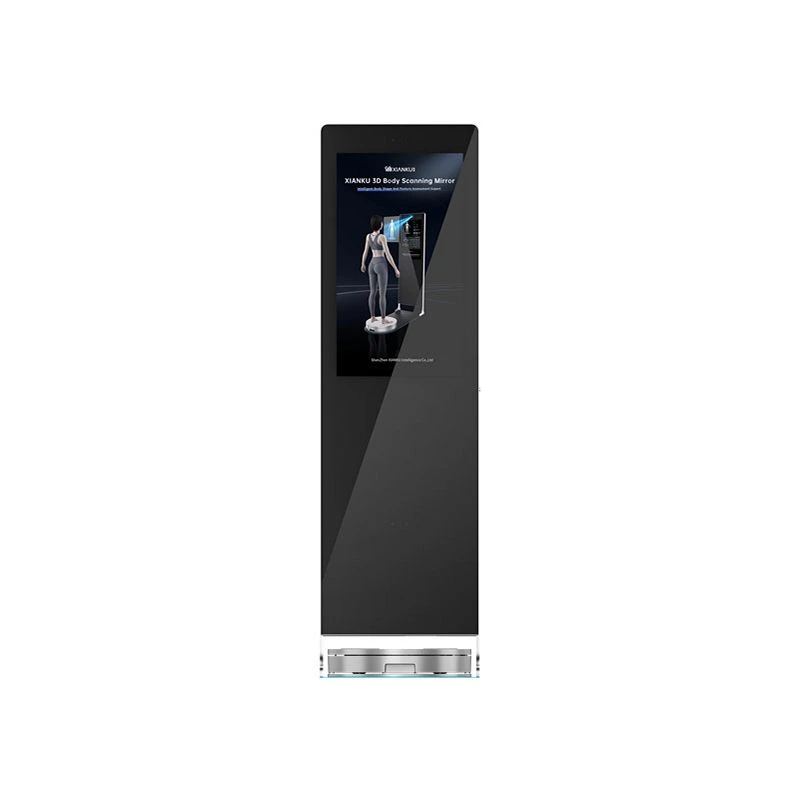
The 3D Body Scanning Mirror, on the other hand, provides a real - time, interactive scanning experience. It allows users to see a 3D representation of their body and compare it with previous scans. This visual feedback can be highly motivating for individuals on a weight loss journey.

Advantages of Using Digital Body Scans for Weight Loss Monitoring
1. Accuracy
One of the primary advantages of digital body scans is their high level of accuracy. Traditional methods, like weighing on a scale, only provide information about overall weight. They do not distinguish between fat loss, muscle gain, or changes in water weight. In contrast, digital body scans can accurately measure body fat percentage and muscle mass. For example, if a person is losing weight but also building muscle through exercise, a scale may show little to no change in weight. However, a digital body scan can clearly show the decrease in body fat and increase in muscle mass.
A study published in the Journal of Obesity found that 3D body scanners were highly accurate in measuring body volume and surface area compared to traditional anthropometric measurements. This accuracy is crucial for individuals who want to track their weight loss progress based on changes in body composition.
2. Comprehensive Data
Digital body scans provide a wealth of data beyond just weight and body fat percentage. They can measure body circumferences at multiple points, such as the waist, hips, chest, and thighs. These measurements can show where fat is being lost from the body. For instance, a decrease in waist circumference may indicate a reduction in visceral fat, which is associated with a lower risk of chronic diseases like heart disease and diabetes.
Moreover, the scanners can also detect changes in body symmetry. As a person loses weight, their body may become more symmetrical, which can be an indicator of overall health and proper weight distribution.
3. Visual Motivation
The visual aspect of digital body scans is a powerful motivator for weight loss. Seeing a 3D representation of one's body and being able to compare it with previous scans can be highly encouraging. It provides a tangible way to see the progress that has been made over time. For example, a person may start to notice a more defined jawline, slimmer waist, or toned arms in the 3D scans. This visual feedback can keep individuals motivated to continue with their weight loss efforts.
4. Early Detection of Plateaus
Weight loss plateaus are a common challenge for many individuals. They occur when the body adapts to a new diet or exercise routine, and weight loss slows down or stops. Digital body scans can help detect these plateaus earlier. By regularly monitoring body composition and measurements, it becomes easier to identify when changes in weight loss progress have stalled. This allows individuals to adjust their diet or exercise plans accordingly.
Challenges and Limitations
1. Cost
One of the main challenges of using digital body scans for weight loss monitoring is the cost. The equipment can be expensive to purchase, and there may also be additional costs associated with maintenance and software updates. This can make it less accessible for some individuals or small fitness centers.
However, as the technology becomes more widespread, the cost is likely to decrease. Additionally, for larger fitness facilities or weight loss clinics, the investment in digital body scan equipment can be justified by the value it provides to their clients.
2. Operator Training
Proper operation of digital body scan equipment requires some level of training. Incorrect positioning of the subject or improper calibration of the scanner can lead to inaccurate results. This means that fitness centers or weight loss clinics need to ensure that their staff is adequately trained to use the equipment.
3. Limited Availability
Currently, digital body scan technology is not as widely available as traditional weight - measuring tools. Not all fitness centers or medical facilities have access to these scanners. This can be a barrier for individuals who want to use digital body scans to monitor their weight loss progress.
Incorporating Digital Body Scans into a Weight Loss Program
To make the most of digital body scans in a weight loss program, it is important to use them in conjunction with other weight loss strategies. For example, individuals should still follow a balanced diet and engage in regular physical activity.
Fitness centers and weight loss clinics can use digital body scans as a part of their assessment and monitoring process. They can conduct an initial scan at the start of a client's weight loss journey to establish a baseline. Then, regular scans can be performed at intervals, such as every month or every few weeks, to track progress.
The data from the scans can be used to create personalized weight loss plans. For example, if a client has a high body fat percentage in the abdominal area, the fitness trainer can design a workout program that focuses on core exercises and a diet that targets fat loss in that area.
Conclusion
In conclusion, digital body scans have great potential for monitoring weight loss progress. Their accuracy, comprehensive data, and visual feedback make them a valuable tool for individuals and fitness professionals alike. While there are some challenges and limitations, such as cost and limited availability, the benefits far outweigh these drawbacks.
As a supplier of digital body scan solutions, we are committed to providing high - quality, accurate, and user - friendly scanners. We believe that these scanners can revolutionize the way people monitor their weight loss progress and achieve their health goals.
If you are interested in incorporating digital body scans into your weight loss program, whether you are a fitness center owner, a weight loss clinic operator, or an individual looking for a more accurate way to track your progress, we invite you to contact us for a detailed discussion on our products and how they can meet your needs.
References
- Journal of Obesity. Comparison of 3D body scanners and traditional anthropometric measurements for body volume and surface area assessment.
- Other relevant research studies on body composition analysis and weight loss monitoring.