

As a provider of fitness body scan technology, I've witnessed firsthand the transformative power of these advanced tools in the fitness and healthcare industries. The question of whether a fitness body scan can be used to diagnose injuries is not only relevant but also crucial in understanding the full potential of this technology. In this blog, I'll delve into the capabilities of fitness body scans, their role in injury diagnosis, and how our products, such as the Xianku 3D Body Scanning Room, Xianku 3D Foot Scanner, and Xianku 3D Body Scanner, can contribute to a comprehensive approach to health and wellness.
Understanding Fitness Body Scans
Fitness body scans are sophisticated devices that use various technologies, such as 3D imaging, to capture detailed information about the human body. These scans can provide a wealth of data, including body composition analysis, muscle mass distribution, and joint alignment. By creating a digital model of the body, fitness professionals and healthcare providers can gain valuable insights into an individual's physical condition and track changes over time.
The Potential of Fitness Body Scans in Injury Diagnosis
One of the key advantages of fitness body scans is their ability to detect subtle changes in the body that may indicate the presence of an injury or potential risk factors. For example, a scan can reveal asymmetries in muscle mass or joint alignment, which could be a sign of overuse or an underlying structural issue. By identifying these imbalances early on, appropriate interventions can be implemented to prevent further injury and promote optimal recovery.
In addition to detecting imbalances, fitness body scans can also provide detailed information about the anatomical structure of the body. This can be particularly useful in diagnosing injuries to specific joints or muscles. For instance, a 3D scan of the knee can show the exact location and extent of damage to the ligaments, tendons, or cartilage, allowing for more accurate treatment planning.
Limitations of Fitness Body Scans in Injury Diagnosis
While fitness body scans offer many benefits, it's important to recognize their limitations. These scans are not a substitute for a comprehensive medical evaluation by a qualified healthcare professional. In some cases, additional diagnostic tests, such as X-rays, MRIs, or CT scans, may be necessary to confirm a diagnosis and determine the best course of treatment.
Another limitation of fitness body scans is their inability to detect certain types of injuries, such as soft tissue injuries that do not cause visible changes in the anatomical structure. In these cases, other diagnostic methods, such as physical examination or ultrasound, may be more appropriate.

How Our Fitness Body Scan Products Can Assist in Injury Diagnosis
At our company, we are committed to providing high-quality fitness body scan products that are designed to meet the needs of both fitness professionals and healthcare providers. Our Xianku 3D Body Scanning Room offers a comprehensive solution for capturing detailed 3D images of the entire body. With its advanced technology and user-friendly interface, this scanner can provide accurate and reliable data for injury diagnosis and treatment planning.
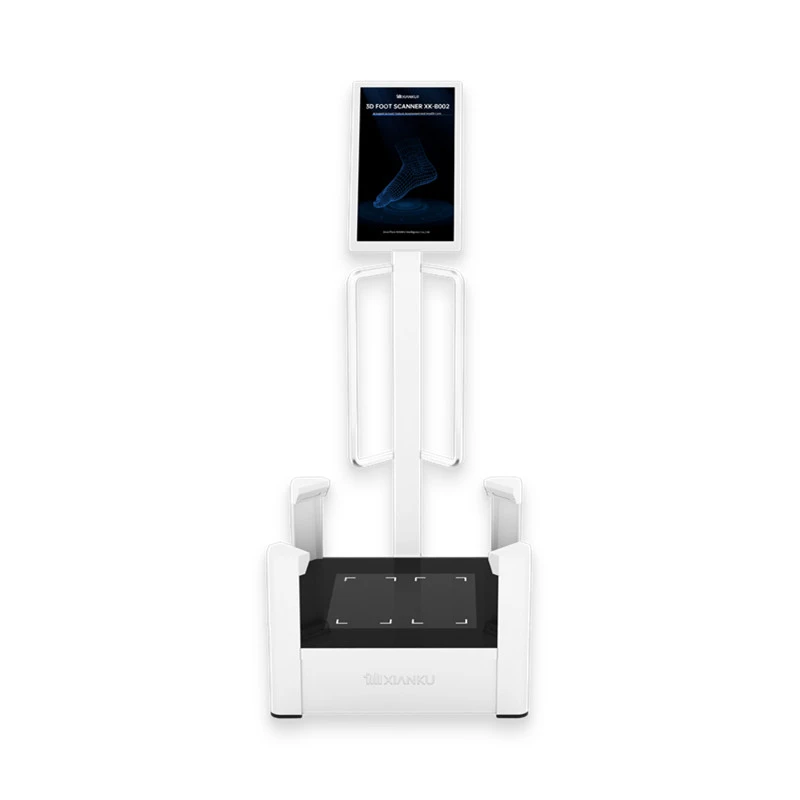
The Xianku 3D Foot Scanner is specifically designed to analyze the structure and function of the feet. This scanner can detect foot deformities, such as flat feet or high arches, as well as identify potential areas of stress or injury. By providing detailed information about the foot, this scanner can help healthcare providers develop personalized treatment plans to address these issues.
Our Xianku 3D Body Scanner is a compact and portable device that offers a convenient way to perform body scans in a variety of settings. This scanner can be used to monitor changes in body composition, track progress during a fitness program, or detect potential injury risk factors. With its high-resolution imaging and real-time feedback, this scanner is a valuable tool for both fitness professionals and individuals looking to improve their health and wellness.
The Importance of Collaboration between Fitness Professionals and Healthcare Providers
To fully realize the potential of fitness body scans in injury diagnosis, it's essential to foster collaboration between fitness professionals and healthcare providers. By working together, these two groups can combine their expertise and resources to provide a comprehensive approach to injury prevention, diagnosis, and treatment.
Fitness professionals can use the data from body scans to develop personalized exercise programs that are tailored to an individual's specific needs and goals. By addressing muscle imbalances and joint alignment issues, these programs can help reduce the risk of injury and improve overall physical performance.
Healthcare providers, on the other hand, can use the information from body scans to supplement their medical evaluations and make more informed treatment decisions. By incorporating body scan data into their practice, healthcare providers can provide more personalized and effective care to their patients.
Conclusion
In conclusion, fitness body scans have the potential to play a valuable role in injury diagnosis and prevention. By providing detailed information about the body's structure and function, these scans can help identify potential risk factors and guide appropriate interventions. However, it's important to recognize their limitations and use them in conjunction with a comprehensive medical evaluation by a qualified healthcare professional.
At our company, we are dedicated to providing innovative fitness body scan products that can assist in injury diagnosis and treatment. Our Xianku 3D Body Scanning Room, Xianku 3D Foot Scanner, and Xianku 3D Body Scanner offer advanced technology and user-friendly interfaces to meet the needs of both fitness professionals and healthcare providers.
If you're interested in learning more about our fitness body scan products or how they can benefit your practice, we encourage you to contact us for a consultation. Our team of experts is available to answer your questions and provide you with the information you need to make an informed decision.
References
- American College of Sports Medicine. (2018). ACSM's Guidelines for Exercise Testing and Prescription. Lippincott Williams & Wilkins.
- Kibler, W. B., Press, J. M., & Sciascia, A. D. (2006). Functional evaluation of the shoulder. Journal of the American Academy of Orthopaedic Surgeons, 14(6), 362-372.
- Sizer, F. S., & Whitney, E. N. (2017). Nutrition: Concepts and Controversies. Cengage Learning.