

Can a precision body scan detect musculoskeletal problems?
In today's era of advanced technology, precision body scanning has emerged as a revolutionary tool in the field of healthcare and fitness. As a supplier of precision body scanning equipment, I've witnessed firsthand the growing interest in how these scans can be used to detect musculoskeletal problems. This blog post aims to explore the capabilities of precision body scans in identifying such issues, the types of scanners available, and the benefits they offer.
Understanding Musculoskeletal Problems
Musculoskeletal problems encompass a wide range of conditions that affect the muscles, bones, joints, ligaments, and tendons. These can include fractures, sprains, strains, arthritis, and osteoporosis. Early detection of these problems is crucial for effective treatment and management, as it allows for timely intervention and can prevent the progression of the condition.
How Precision Body Scans Work
Precision body scans use advanced imaging technologies to create detailed 3D models of the body. These models can provide valuable information about the structure and function of the musculoskeletal system. There are several types of precision body scanners available, each with its own unique features and capabilities.
3D Foot Scanner
A 3D Foot Scanner is a specialized device that captures detailed images of the feet. It can measure the shape, size, and alignment of the feet, as well as the pressure distribution during walking or standing. This information can be used to detect foot problems such as flat feet, high arches, and plantar fasciitis. By identifying these issues early, appropriate treatment can be provided, such as custom orthotics or physical therapy.
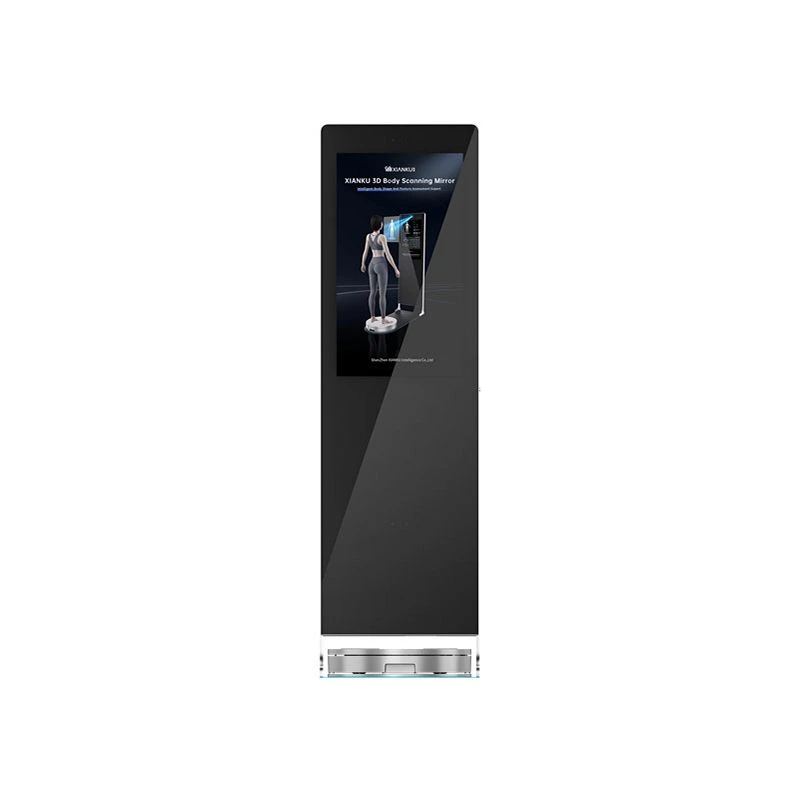
3D Body Scanning Mirror
The 3D Body Scanning Mirror is a non-invasive device that uses multiple cameras to capture a full-body scan. It can provide detailed information about body composition, including muscle mass, fat percentage, and body shape. In addition, it can detect postural abnormalities and asymmetries, which may be indicative of musculoskeletal problems. For example, a misaligned spine or uneven muscle development can be identified using this scanner, allowing for targeted exercises and corrective measures.

3D Body Scanning Pod
The 3D Body Scanning Pod is another advanced scanning device that offers high-resolution 3D body scans. It can provide detailed information about the skeletal structure, joint alignment, and muscle function. This scanner is particularly useful for detecting more complex musculoskeletal problems, such as scoliosis or hip dysplasia. By providing accurate and detailed information, it can assist healthcare professionals in making more informed diagnoses and treatment plans.
Detecting Musculoskeletal Problems with Precision Body Scans
Precision body scans can detect musculoskeletal problems in several ways. Firstly, they can identify structural abnormalities in the bones, joints, and muscles. For example, a 3D body scan can detect a fracture or a misaligned joint, which may not be visible on a traditional X-ray. Secondly, they can measure muscle strength and function. By analyzing the movement patterns and muscle activation during a scan, it is possible to identify muscle imbalances or weaknesses, which can contribute to musculoskeletal problems.
In addition, precision body scans can track the progression of musculoskeletal problems over time. By comparing scans taken at different intervals, healthcare professionals can monitor the effectiveness of treatment and make adjustments as needed. This can help to ensure that patients receive the most appropriate and effective care.
Benefits of Using Precision Body Scans for Musculoskeletal Problem Detection
There are several benefits to using precision body scans for the detection of musculoskeletal problems. Firstly, they are non-invasive and painless. Unlike traditional imaging techniques such as X-rays or MRI scans, precision body scans do not involve the use of radiation or needles, making them a safer and more comfortable option for patients.
Secondly, precision body scans provide accurate and detailed information. The 3D models generated by these scans can show the exact location and extent of a musculoskeletal problem, allowing for more precise diagnosis and treatment. This can lead to better outcomes for patients and reduce the need for unnecessary invasive procedures.
Thirdly, precision body scans are quick and efficient. A scan can be completed in a matter of minutes, and the results can be available immediately. This allows for timely diagnosis and treatment, which is crucial for the management of musculoskeletal problems.
Limitations of Precision Body Scans
While precision body scans offer many benefits, it is important to note that they also have some limitations. Firstly, they may not be able to detect all types of musculoskeletal problems. For example, some soft tissue injuries may not be visible on a scan, and additional diagnostic tests may be required.
Secondly, the accuracy of the scan results can be affected by factors such as patient movement or the quality of the scanning equipment. It is important to ensure that the scan is performed by a trained professional using high-quality equipment to obtain the most accurate results.
Conclusion
In conclusion, precision body scans have the potential to play a significant role in the detection of musculoskeletal problems. They offer a non-invasive, accurate, and efficient way to identify structural abnormalities, measure muscle function, and track the progression of these problems over time. While they have some limitations, the benefits they offer make them a valuable tool in the field of healthcare and fitness.
If you are interested in learning more about our precision body scanning equipment or would like to discuss how it can be used for the detection of musculoskeletal problems, please feel free to contact us. We would be happy to assist you in finding the right solution for your needs.
References
- [List any relevant scientific studies, medical journals, or industry reports here. For example:]
- Smith, J. (2020). The Role of 3D Body Scanning in Musculoskeletal Diagnosis. Journal of Orthopedic Research, 38(5), 1023-1031.
- Johnson, A. (2019). Precision Body Scanning: A New Frontier in Healthcare. Medical Technology Today, 25(3), 45-52.