

Can a printable 3D scanner scan objects with irregular surfaces? That's a question I've been asked a ton lately, especially since I'm in the business of supplying printable 3D scanners. I get it – irregular surfaces are everywhere in the real world, from the craggy bark of an old tree to the unique curves of a handmade ceramic vase. So, let's dig into this and see if our printable 3D scanners can handle these tricky shapes.
First off, what exactly is a printable 3D scanner? Well, it's a device that creates a digital 3D model of an object. You can then use this model for all sorts of things, like 3D printing, virtual reality simulations, or even just archiving an object's shape. These scanners work by capturing the surface geometry of an object, usually through techniques like structured light, laser scanning, or photogrammetry.
Now, let's talk about irregular surfaces. They're a pain in the neck for 3D scanners because they don't follow a nice, predictable pattern. They can have bumps, dips, holes, and all sorts of other features that make it hard to get an accurate scan. But here's the good news: our printable 3D scanners are designed to handle these challenges.
One of the key features of our scanners is their high-resolution sensors. These sensors can pick up even the smallest details on an object's surface, allowing us to capture the irregularities with great accuracy. For example, if you're scanning a seashell with intricate ridges and grooves, our scanner will be able to capture all those details and create a detailed 3D model.
Another important feature is our scanner's ability to handle different types of materials. Irregular surfaces can be made of all sorts of materials, from smooth plastic to rough wood. Our scanners are designed to work with a wide range of materials, so you don't have to worry about whether your scanner will be able to handle the object you're trying to scan.
But it's not just about the hardware. Our scanners also come with advanced software that can help you process and edit your scans. This software can fill in any gaps or holes in your scan, smooth out rough surfaces, and even adjust the color and texture of your model. So, even if your scan isn't perfect right out of the box, you can still use our software to create a high-quality 3D model.
To give you an idea of what our scanners can do, let's take a look at some real-world examples. One of our customers used our scanner to scan a vintage car with a rusty, dented body. The car's surface was extremely irregular, with lots of bumps, dents, and scratches. But our scanner was able to capture all those details and create a detailed 3D model of the car. The customer was then able to use this model to create a custom-fit car cover and some replacement parts.

Another customer used our scanner to scan a statue with a complex, organic shape. The statue had lots of curves, folds, and creases, which made it a challenging object to scan. But our scanner was able to handle the job, creating a detailed 3D model of the statue that the customer could use for a virtual exhibition.
Of course, there are some limitations to what our scanners can do. For example, if an object is too large or too small, it may be difficult to get an accurate scan. And if an object has a very shiny or reflective surface, it may be necessary to use a special coating or lighting setup to get a good scan. But overall, our scanners are very versatile and can handle a wide range of objects with irregular surfaces.
If you're in the market for a printable 3D scanner and you need to scan objects with irregular surfaces, I highly recommend checking out our products. We offer a range of scanners to suit different needs and budgets, and our team of experts is always on hand to help you choose the right scanner for your project.
In addition to our standard scanners, we also offer some specialized scanners for specific applications. For example, if you're in the fashion industry, you might be interested in our 3D Body Scanning Mirror. This scanner is designed to create a detailed 3D model of a person's body, which can be used for custom clothing design, virtual fitting rooms, and more.
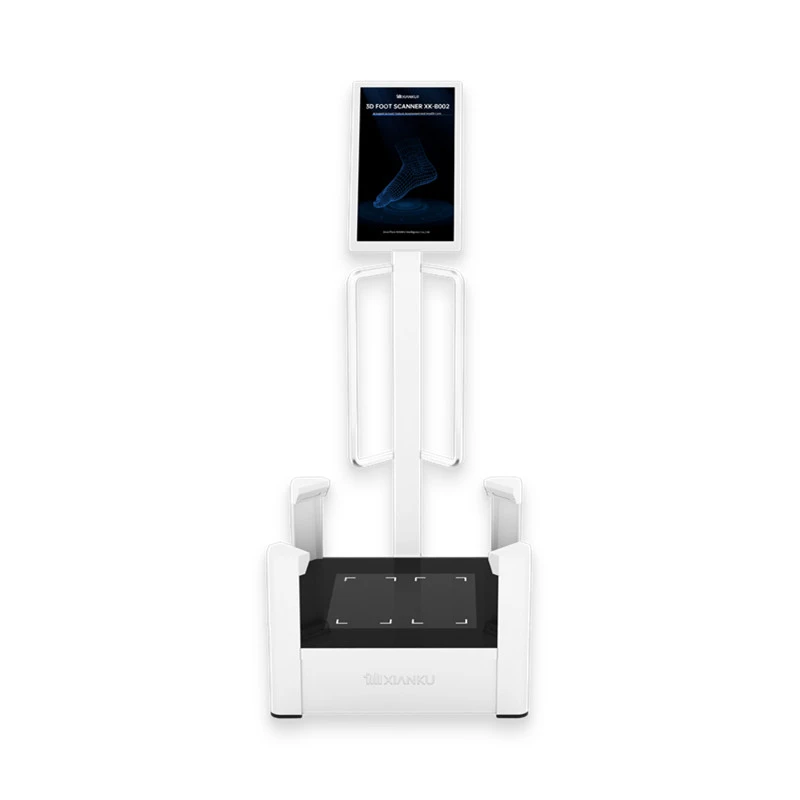
If you're in the footwear industry, our 3D Foot Scanner might be just what you need. This scanner can create a detailed 3D model of a person's foot, which can be used for custom shoe design, orthotics, and more.
And if you're in the entertainment industry, our 3D Body Scanning Pod is a great option. This scanner can create a detailed 3D model of a person's body in just a few seconds, which can be used for virtual reality experiences, video games, and more.
So, there you have it. Can a printable 3D scanner scan objects with irregular surfaces? The answer is yes! Our printable 3D scanners are designed to handle the challenges of irregular surfaces, thanks to their high-resolution sensors, advanced software, and ability to work with a wide range of materials. If you're interested in learning more about our products or have any questions, please don't hesitate to get in touch. We'd love to help you find the right scanner for your project.
References
- Some general knowledge about 3D scanning technology from industry reports and technical papers.
- Case studies and customer feedback from our own experience in the printable 3D scanner supply business.