

Autoimmune diseases occur when the body's immune system mistakenly attacks its own healthy cells and tissues, leading to a wide range of health problems. Early detection is crucial for effective management and treatment of these conditions. As a supplier of whole body scan technology, I often get asked: Can a whole body scan detect autoimmune diseases? In this blog, I'll explore this question in depth and discuss the potential of whole body scans in the context of autoimmune disease detection.
Understanding Autoimmune Diseases
Autoimmune diseases are complex and diverse, with over 80 recognized conditions, including rheumatoid arthritis, lupus, multiple sclerosis, and type 1 diabetes. These diseases can affect various organs and systems in the body, such as the joints, skin, kidneys, and nervous system. The symptoms of autoimmune diseases can be vague and vary widely from person to person, making them difficult to diagnose. Common symptoms include fatigue, joint pain, swelling, skin rashes, and fever.
The exact cause of autoimmune diseases is still unknown, but it is believed to involve a combination of genetic, environmental, and hormonal factors. Genetic predisposition plays a significant role, as certain genes can make individuals more susceptible to developing autoimmune diseases. Environmental triggers, such as infections, toxins, and stress, can also activate the immune system and lead to the development of autoimmune responses.
How Whole Body Scans Work
Whole body scans are advanced imaging techniques that provide detailed information about the internal structures and functions of the body. There are several types of whole body scans, including magnetic resonance imaging (MRI), computed tomography (CT), and positron emission tomography (PET). These scans use different technologies to create images of the body, allowing doctors to detect abnormalities, such as tumors, inflammation, and structural damage.
MRI uses a strong magnetic field and radio waves to produce detailed images of the body's soft tissues, such as the brain, spinal cord, and muscles. CT scans use X-rays to create cross-sectional images of the body, providing detailed information about the bones, organs, and blood vessels. PET scans use a radioactive tracer to detect metabolic activity in the body, helping doctors to identify areas of abnormal cell growth and inflammation.
The Potential of Whole Body Scans in Detecting Autoimmune Diseases
While whole body scans are not typically used as the primary diagnostic tool for autoimmune diseases, they can provide valuable information that can aid in the diagnosis and management of these conditions. Here are some ways in which whole body scans can be useful in detecting autoimmune diseases:
- Detecting Inflammation: Inflammation is a common feature of autoimmune diseases, and whole body scans can detect areas of inflammation in the body. For example, MRI and PET scans can detect inflammation in the joints, muscles, and organs, which can help doctors to diagnose conditions such as rheumatoid arthritis and lupus.
- Identifying Structural Damage: Autoimmune diseases can cause structural damage to the body's organs and tissues, and whole body scans can detect this damage. For example, CT scans can detect damage to the lungs, kidneys, and bones, which can help doctors to diagnose conditions such as scleroderma and ankylosing spondylitis.
- Monitoring Disease Progression: Whole body scans can be used to monitor the progression of autoimmune diseases over time. By comparing scans taken at different times, doctors can track changes in the body's inflammation, structural damage, and metabolic activity, which can help them to adjust the treatment plan and evaluate the effectiveness of the treatment.
Limitations of Whole Body Scans in Detecting Autoimmune Diseases
While whole body scans can provide valuable information about the body's internal structures and functions, they have some limitations in detecting autoimmune diseases. Here are some of the limitations of whole body scans:
- Lack of Specificity: Whole body scans can detect abnormalities in the body, but they cannot always determine the cause of these abnormalities. For example, inflammation detected on a scan could be due to an autoimmune disease, an infection, or another condition. Therefore, additional tests, such as blood tests and biopsies, are often needed to confirm the diagnosis of an autoimmune disease.
- Cost and Availability: Whole body scans are expensive and not always readily available. In addition, some scans, such as PET scans, require the use of a radioactive tracer, which can have potential risks and side effects.
- False Positives and False Negatives: Whole body scans can sometimes produce false positive results, which means that they detect abnormalities that are not actually present. False negative results can also occur, which means that the scan fails to detect abnormalities that are actually present. Therefore, it is important to interpret the results of whole body scans in the context of the patient's symptoms and medical history.
The Role of Whole Body Scans in the Diagnosis and Management of Autoimmune Diseases
While whole body scans have some limitations in detecting autoimmune diseases, they can still play an important role in the diagnosis and management of these conditions. Here are some ways in which whole body scans can be used in the diagnosis and management of autoimmune diseases:
- Initial Evaluation: Whole body scans can be used as part of the initial evaluation of a patient with suspected autoimmune disease. By providing detailed information about the body's internal structures and functions, whole body scans can help doctors to identify areas of inflammation, structural damage, and metabolic activity, which can aid in the diagnosis of an autoimmune disease.
- Monitoring Disease Progression: Whole body scans can be used to monitor the progression of autoimmune diseases over time. By comparing scans taken at different times, doctors can track changes in the body's inflammation, structural damage, and metabolic activity, which can help them to adjust the treatment plan and evaluate the effectiveness of the treatment.
- Guiding Treatment Decisions: Whole body scans can provide valuable information that can help doctors to make informed treatment decisions. For example, if a scan shows significant inflammation in a particular area of the body, doctors may choose to treat the inflammation with medications or other therapies.
Our Whole Body Scan Solutions
As a supplier of whole body scan technology, we offer a range of advanced imaging solutions that can provide detailed information about the body's internal structures and functions. Our Xianku 3D Body Scanning Room is a state-of-the-art scanning system that uses advanced 3D imaging technology to create detailed images of the body. The scanning room is designed to be comfortable and non-invasive, and it can provide high-resolution images of the body's soft tissues, bones, and organs.

Our Xianku 3D Body Scanner is another innovative scanning solution that uses advanced 3D imaging technology to create detailed images of the body. The scanner is portable and easy to use, and it can provide high-resolution images of the body's surface and internal structures.
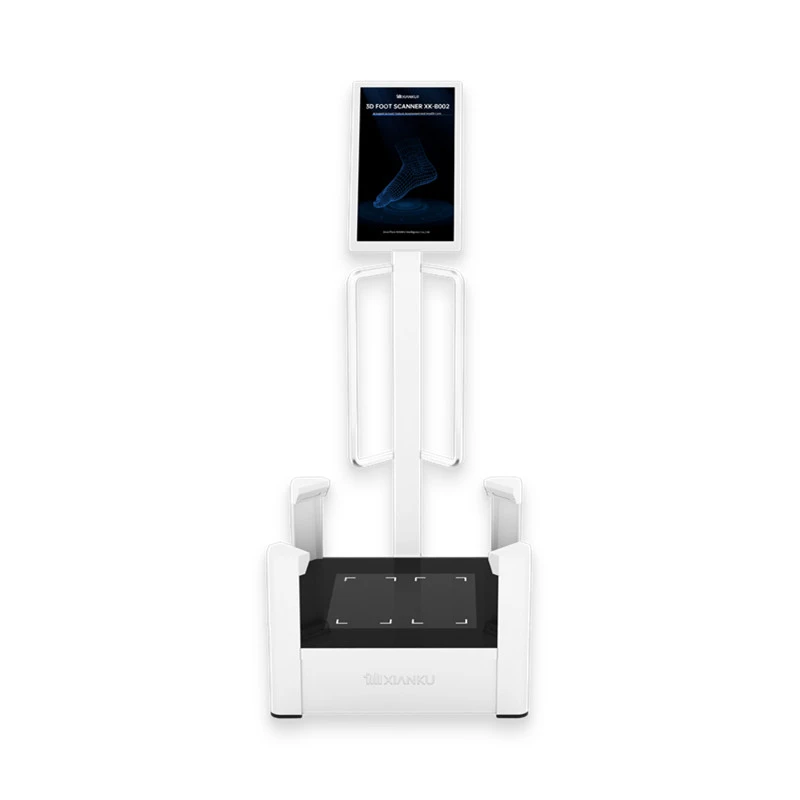
In addition to our 3D body scanners, we also offer a Xianku 3D Foot Scanner that can provide detailed information about the structure and function of the feet. The foot scanner uses advanced 3D imaging technology to create detailed images of the feet, allowing doctors to detect abnormalities, such as foot deformities, injuries, and diseases.
Contact Us for More Information
If you are interested in learning more about our whole body scan solutions and how they can be used in the diagnosis and management of autoimmune diseases, please contact us. Our team of experts is available to answer your questions and provide you with more information about our products and services. We look forward to working with you to improve the health and well-being of your patients.
References
- American Autoimmune Related Diseases Association. (n.d.). Autoimmune diseases. Retrieved from https://www.aarda.org/
- National Institute of Arthritis and Musculoskeletal and Skin Diseases. (n.d.). Autoimmune diseases. Retrieved from https://www.niams.nih.gov/health-topics/autoimmune-diseases
- Radiological Society of North America. (n.d.). Imaging tests for autoimmune diseases. Retrieved from https://www.rsna.org/patients/imaging-tests/autoimmune-diseases