

As a provider of fast speed foot scan technology, I've witnessed firsthand the transformative potential of this innovation in the field of podiatry and healthcare. The question of whether a fast speed foot scan can detect nerve damage in the feet is not only relevant but also holds significant implications for early diagnosis and treatment. In this blog, we'll explore the science behind fast speed foot scans, their capabilities in detecting nerve damage, and how they can revolutionize foot health management.
The Science of Fast Speed Foot Scans
Fast speed foot scans utilize advanced imaging technologies to capture detailed three - dimensional (3D) images of the feet in a matter of seconds. These scans provide a comprehensive view of the foot's structure, including the bones, muscles, tendons, and soft tissues. The high - resolution images obtained through fast speed foot scans allow healthcare professionals to identify various foot conditions with a high degree of accuracy.
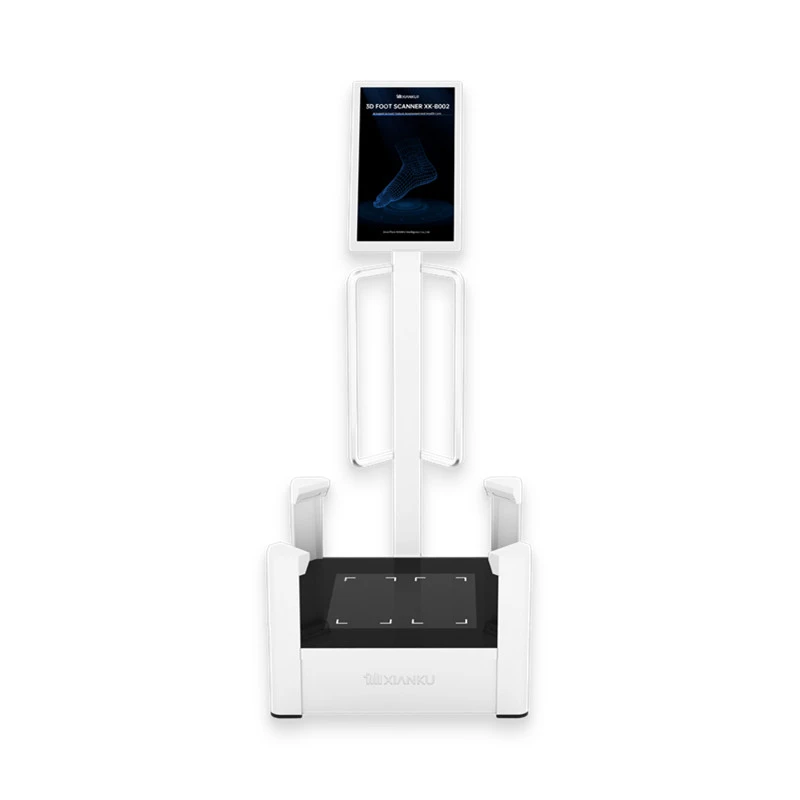
One of the key advantages of fast speed foot scans is their non - invasive nature. Unlike traditional diagnostic methods that may involve invasive procedures or long waiting times, fast speed foot scans offer a quick and painless alternative. Patients can simply step onto the scanner platform, and within seconds, a detailed 3D model of their feet is generated.

Nerve Damage in the Feet: A Silent Threat
Nerve damage in the feet, also known as peripheral neuropathy, is a common condition that can have serious consequences if left untreated. It can be caused by a variety of factors, including diabetes, trauma, infections, and certain medications. Symptoms of nerve damage in the feet may include numbness, tingling, pain, and a loss of sensation.
Early detection of nerve damage is crucial for effective treatment. Unfortunately, many cases of peripheral neuropathy go undiagnosed until the condition has progressed to a more advanced stage. This is where fast speed foot scans can play a vital role.
Can Fast Speed Foot Scans Detect Nerve Damage?
While fast speed foot scans do not directly visualize nerves, they can provide valuable indirect evidence of nerve damage. Here's how:
Structural Changes
Nerve damage can lead to structural changes in the feet over time. For example, patients with peripheral neuropathy may experience muscle atrophy (wasting) due to the loss of nerve signals to the muscles. Fast speed foot scans can detect these structural changes by measuring the volume and shape of the foot muscles. A decrease in muscle volume may indicate nerve damage.
Pressure Distribution
Healthy feet distribute pressure evenly during walking and standing. However, nerve damage can disrupt this normal pressure distribution. Patients with peripheral neuropathy may put more pressure on certain areas of the feet, leading to the development of calluses, ulcers, and other foot problems. Fast speed foot scans can analyze the pressure distribution across the feet and identify abnormal pressure patterns that may be associated with nerve damage.
Joint Alignment
Nerve damage can also affect joint alignment in the feet. As the muscles weaken due to nerve impairment, the joints may become misaligned, leading to pain and instability. Fast speed foot scans can accurately measure joint angles and identify any deviations from the normal alignment, which may be a sign of nerve damage.
Real - World Applications
In clinical practice, fast speed foot scans have been used to assist in the diagnosis of nerve damage in patients with diabetes. Diabetes is a leading cause of peripheral neuropathy, and early detection of nerve damage in diabetic patients is essential for preventing foot ulcers and amputations.
By regularly performing fast speed foot scans on diabetic patients, healthcare providers can monitor changes in foot structure, pressure distribution, and joint alignment over time. This allows for the early identification of nerve damage and the implementation of appropriate treatment strategies, such as physical therapy, orthotic devices, and lifestyle modifications.
The Role of Xianku 3D Foot Scanner
Our Xianku 3D Foot Scanner is at the forefront of fast speed foot scan technology. It offers high - resolution 3D imaging, fast scanning times, and advanced analysis software that can accurately detect structural changes, pressure distribution abnormalities, and joint misalignments in the feet.
The scanner is easy to use and can be integrated into existing podiatry clinics, hospitals, and healthcare facilities. It provides healthcare professionals with the tools they need to make informed decisions about patient care and improve outcomes for patients with foot problems, including those with nerve damage.
Complementary Technologies: Xianku 3D Body Scanner
In addition to the Xianku 3D Foot Scanner, our Xianku 3D Body Scanner can also provide valuable insights into overall body alignment and posture, which can have an impact on foot health. By analyzing the entire body's structure, healthcare providers can identify any underlying factors that may contribute to nerve damage in the feet, such as spinal misalignments or gait abnormalities.
Contact Us for Procurement and Collaboration
If you're interested in incorporating fast speed foot scan technology into your practice or healthcare facility, we invite you to contact us for procurement and collaboration opportunities. Our team of experts is ready to provide you with detailed information about our products, training, and support services.
Fast speed foot scans have the potential to revolutionize the detection and management of nerve damage in the feet. By providing valuable indirect evidence of nerve damage through structural, pressure, and alignment analysis, these scans can help healthcare professionals diagnose and treat foot problems at an early stage, improving patient outcomes and quality of life.
References
- American Diabetes Association. "Standards of Medical Care in Diabetes - 2023." Diabetes Care. 2023;46(Suppl 1):S1 - S232.
- Boulton AJ, Vinik AI, Arezzo JC, et al. "Diabetic Neuropathy: A Position Statement by the American Diabetes Association." Diabetes Care. 2005;28(4):956 - 962.
- Bus SA, van Netten JJ, Cavanagh PR, et al. "Off - loading the Diabetic Foot Ulcer: A Systematic Review." Diabetes Care. 2008;31(1):173 - 179.