

In the realm of podiatric technology, flat feet scanners have emerged as a revolutionary tool for accurately diagnosing and addressing flat foot conditions. As a leading supplier of flat feet scanners, I often encounter inquiries from customers regarding the security features of these devices, particularly the presence of password - protection. In this blog, we'll delve into the topic of whether flat feet scanners have a password - protection feature, exploring the reasons behind it, and its significance in the modern healthcare and commercial settings.
Understanding Flat Feet Scanners
Before we discuss password - protection, let's briefly understand what flat feet scanners are. These advanced devices use cutting - edge technology such as 3D imaging to capture detailed information about the shape, structure, and alignment of a person's feet. They are widely used by podiatrists, orthopedic surgeons, and in the footwear industry for custom orthotic design and fitting.
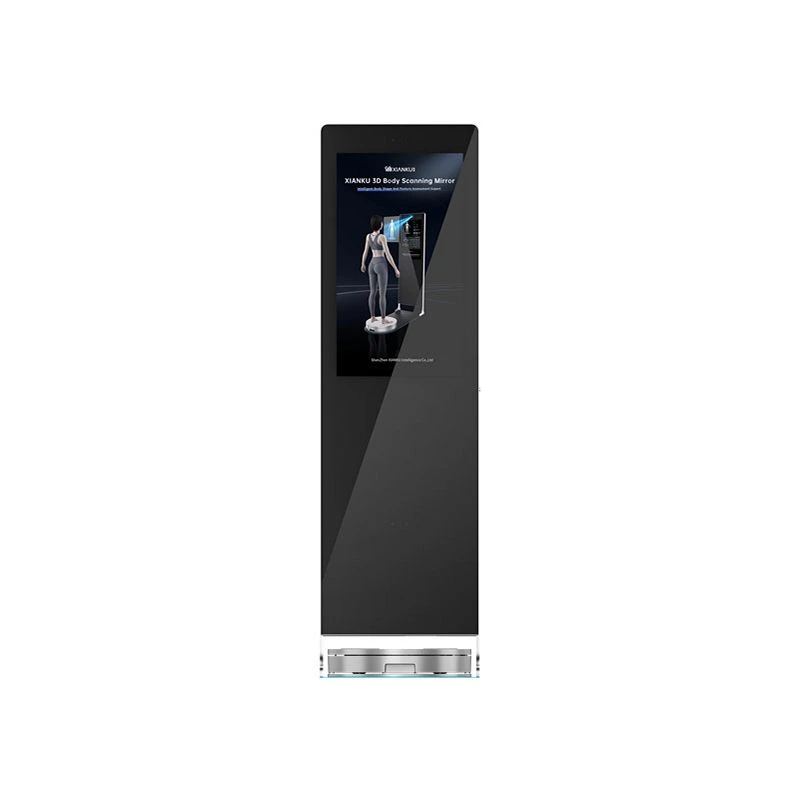
Our company offers a range of high - quality flat feet scanners, along with other related products like the 3D Foot Scanner, 3D Body Scanning Pod, and 3D Body Scanning Mirror. These products are designed to provide accurate and detailed data, which is crucial for making informed decisions about foot health and treatment.
The Need for Password - Protection
In today's digital age, data security is of utmost importance. Flat feet scanners store a significant amount of sensitive patient information, including foot measurements, medical history, and diagnostic results. This data is highly confidential and must be protected from unauthorized access. Password - protection serves as a fundamental security measure to safeguard this information.
For healthcare providers, protecting patient data is not only an ethical responsibility but also a legal requirement. Laws such as the Health Insurance Portability and Accountability Act (HIPAA) in the United States mandate strict data security standards for healthcare organizations. A password - protected flat feet scanner helps ensure compliance with these regulations, reducing the risk of data breaches and potential legal consequences.
In a commercial setting, such as a footwear store using a flat feet scanner for custom shoe fitting, password - protection is equally important. Customer data, including foot dimensions and preferences, is valuable and can be misused if accessed by unauthorized individuals. By implementing password - protection, businesses can build trust with their customers and protect their brand reputation.
Do Flat Feet Scanners Have Password - Protection?
The answer is yes, many modern flat feet scanners, including the ones we supply, come equipped with password - protection features. These features allow authorized users to set up unique passwords to access the scanner's functions and stored data. Only individuals with the correct password can log in and view or modify the information.
The password - protection mechanism typically includes options for password creation, change, and recovery. Users can set complex passwords that meet specific security criteria, such as a minimum length and a combination of letters, numbers, and special characters. Additionally, some scanners offer multi - factor authentication, adding an extra layer of security by requiring users to provide additional verification, such as a fingerprint or a one - time code sent to their mobile device.
Benefits of Password - Protection in Flat Feet Scanners
- Data Security: As mentioned earlier, password - protection is essential for safeguarding sensitive patient and customer data. It prevents unauthorized access, ensuring that only authorized personnel can view and use the information.
- User Accountability: With password - protection, each user has a unique login, which allows for easy tracking of who accessed the scanner and when. This can be useful for auditing purposes and in case of any data - related issues.
- Customized Access: Password - protected scanners can be configured to provide different levels of access to different users. For example, a podiatrist may have full access to all patient data and scanner functions, while a technician may only have access to basic scanning operations.
- Compliance: By having password - protection, healthcare providers and businesses can demonstrate compliance with data security regulations, which is essential for avoiding legal penalties and maintaining a good reputation.
Implementing Password - Protection in Your Flat Feet Scanner
If you are considering purchasing a flat feet scanner or already own one without password - protection, here are some steps to ensure proper implementation:
- Choose a Secure Password: When setting up the password, make sure it is strong and unique. Avoid using common words or easily guessable combinations.
- Train Users: Provide training to all authorized users on how to use the password - protection feature correctly. Teach them about password security best practices, such as not sharing their passwords and changing them regularly.
- Regularly Update Passwords: Encourage users to update their passwords periodically to maintain security. Set up reminders or automated prompts to ensure compliance.
- Backup Passwords: Keep a secure record of all user passwords in case of forgotten passwords or system issues. However, make sure this record is stored in a safe place and is only accessible to authorized personnel.
Conclusion
Password - protection is a crucial feature in modern flat feet scanners. It provides essential data security, user accountability, and compliance with regulations. As a supplier of high - quality flat feet scanners, we understand the importance of data protection and ensure that our products are equipped with robust password - protection mechanisms.

If you are in the market for a flat feet scanner or are interested in upgrading your existing device, we invite you to contact us for more information. Our team of experts can provide detailed product specifications and help you choose the right scanner for your needs. We are committed to providing the best solutions for foot health and data security.
References
- Health Insurance Portability and Accountability Act (HIPAA) regulations.
- Industry standards and best practices for data security in healthcare technology.