

Forward head posture, also known as "text neck" or "tech neck," is a common postural issue in today's digital age. It occurs when the head is positioned forward of the vertical midline of the body, rather than being balanced directly over the shoulders. This misalignment can lead to a variety of health problems, including neck pain, shoulder tension, headaches, and even reduced lung capacity. As a posture correction supplier, I am passionate about helping people correct their forward head posture and improve their overall health and well - being. In this blog, I'll share some effective strategies to correct forward head posture.
Understanding Forward Head Posture
Before we dive into the solutions, it's essential to understand what causes forward head posture. In modern society, our daily activities often contribute to this problem. Hours spent hunched over smartphones, computers, and other electronic devices force our necks into a forward - bent position. Additionally, poor ergonomics at workstations, such as desks that are too low or monitors that are not at eye level, can exacerbate the issue. Over time, the muscles in the front of the neck and chest become tight, while the muscles in the back of the neck and upper back become weak.
Assessing Your Posture
The first step in correcting forward head posture is to assess your current posture. You can do this through a simple self - examination. Stand in front of a mirror and observe your profile. Notice if your head is positioned forward of your shoulders. Another way is to take a side - view photo of yourself. This can provide a more objective view of your posture.
For a more accurate and detailed assessment, you can use our 3D Body Scanning Mirror. This advanced technology can create a 3D model of your body, allowing you to see your posture from all angles and identify any areas of misalignment. Our 3D Body Scanning Pod also offers a comprehensive scanning experience, providing in - depth data about your body's alignment and posture.
Corrective Exercises
Once you have assessed your posture, it's time to start working on corrective exercises. These exercises aim to strengthen the weak muscles in the back of the neck and upper back and stretch the tight muscles in the front of the neck and chest.
Neck Retraction
This exercise helps to realign the head over the shoulders. Sit or stand with your back straight. Gently pull your head straight back, as if you are trying to create a double - chin. Hold this position for 5 - 10 seconds and then relax. Repeat this exercise 10 - 15 times, several times a day.
Shoulder Blade Squeezes
Sit or stand with your arms at your sides. Squeeze your shoulder blades together, as if you are trying to hold a pencil between them. Hold for 5 - 10 seconds and then release. Do 10 - 15 repetitions, multiple times a day.
Chest Stretches
Stand in a doorway. Place your forearms on the doorframe at shoulder height, with your elbows bent at 90 - degree angles. Lean forward slightly until you feel a stretch in your chest. Hold for 30 seconds to 1 minute and repeat 2 - 3 times.
Ergonomic Adjustments
Making ergonomic adjustments in your daily life can also significantly help in correcting forward head posture.
Workstation Setup
If you work at a desk, ensure that your monitor is at eye level. This prevents you from looking down at your screen for extended periods. Your chair should support your lower back, and your feet should rest flat on the floor. Adjust your keyboard and mouse so that your elbows are at a 90 - degree angle when typing or using the mouse.
Smartphone Use
When using your smartphone, hold it at eye level instead of looking down. You can also use a phone stand to keep your device at a more comfortable viewing angle.
Sleep Position and Pillow Selection
Your sleep position and the type of pillow you use can have a significant impact on your posture. Sleeping on your stomach is generally not recommended, as it forces your neck into an unnatural position. Sleeping on your back or side is better for maintaining proper alignment.
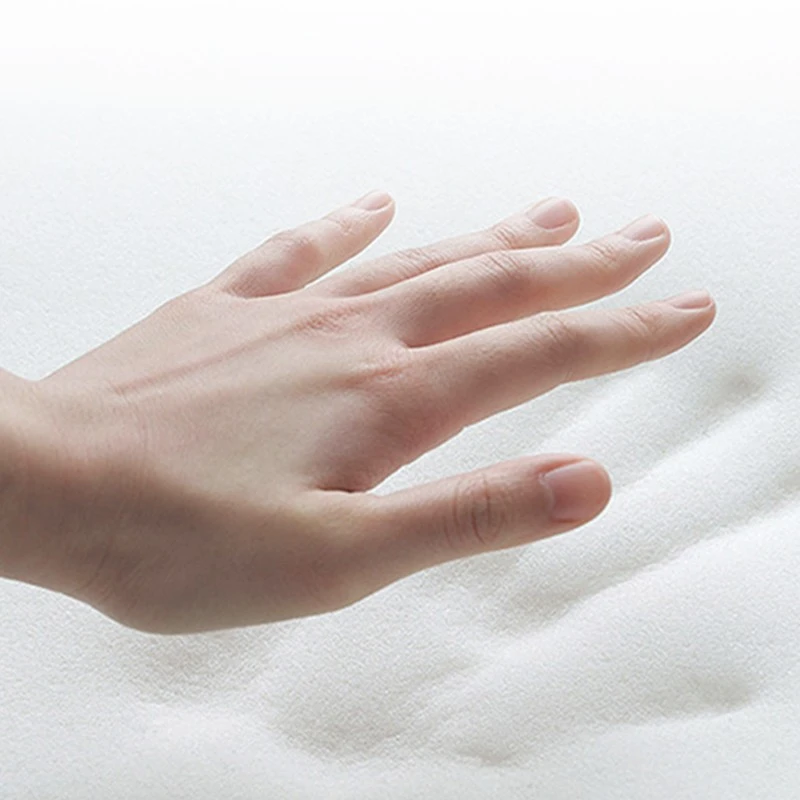
Our Healthy 3D Customized Pillow is designed to provide optimal support for your head and neck. It is customized based on your body's unique shape and posture, ensuring that your spine remains in a neutral position while you sleep. This can help to correct forward head posture over time.

Posture Awareness
In addition to exercises, ergonomic adjustments, and proper sleep support, developing posture awareness is crucial. Throughout the day, consciously check your posture and make adjustments as needed. You can set reminders on your phone to prompt you to sit or stand up straight.
Consistency is Key
Correcting forward head posture takes time and consistency. It's important to stick to your exercise routine, maintain proper ergonomics, and use the right sleep support. Don't expect to see immediate results, but with perseverance, you will notice improvements in your posture and a reduction in associated pain and discomfort.
Contact Us for Purchase and Consultation
If you are interested in our posture correction products, such as the Healthy 3D Customized Pillow, 3D Body Scanning Mirror, or 3D Body Scanning Pod, we invite you to contact us for a purchase and consultation. Our team of experts is ready to assist you in finding the best solutions for your posture correction needs.
References
- Kibler, W. B., Sciascia, A. D., Uhl, T. L., Tambay, N. A., & Cunningham, T. J. (2009). The role of the scapula in athletic shoulder function. The American journal of sports medicine, 37(11), 2153 - 2163.
- Sahrmann, S. A. (2002). Diagnosis and treatment of movement impairment syndromes. Mosby.
- Vitti, A., & De Leo, G. (2016). Postural assessment and treatment. Springer.