

As a supplier of foot health scanners, I've witnessed firsthand the transformative impact these devices have on detecting circulation problems. In this blog, I'll delve into the science behind how foot health scanners detect circulation issues, the technologies involved, and why early detection is crucial for maintaining optimal foot health.
Understanding Circulation Problems in the Feet
Circulation problems in the feet can stem from various factors, including diabetes, peripheral artery disease (PAD), obesity, and sedentary lifestyles. When blood flow to the feet is restricted, it can lead to a range of complications, such as numbness, tingling, pain, slow wound healing, and even tissue damage. Early detection of circulation problems is essential for preventing these complications and improving overall foot health.
How Foot Health Scanners Work
Foot health scanners utilize advanced technologies to assess blood circulation in the feet. These technologies include:
Infrared Thermography
Infrared thermography is a non-invasive imaging technique that measures the surface temperature of the skin. Blood flow plays a crucial role in regulating skin temperature, so changes in temperature can indicate circulation problems. Foot health scanners equipped with infrared sensors can detect subtle temperature variations in the feet, highlighting areas of reduced blood flow.
For example, if a particular area of the foot is cooler than the surrounding tissue, it may suggest poor circulation. This information can help healthcare professionals identify potential circulation problems early on and develop appropriate treatment plans.

Doppler Ultrasound
Doppler ultrasound is another commonly used technology in foot health scanners. It uses sound waves to measure the speed and direction of blood flow in the blood vessels. By placing a small transducer on the skin, the scanner can detect the movement of red blood cells and generate a visual representation of blood flow.
Doppler ultrasound can provide valuable information about the condition of the blood vessels in the feet, including the presence of blockages or narrowing. It can also help determine the severity of circulation problems and monitor the effectiveness of treatment over time.
Photoplethysmography (PPG)
Photoplethysmography is a simple and non-invasive technique that measures changes in blood volume in the blood vessels. It works by shining a light through the skin and detecting the amount of light absorbed by the blood. As blood volume changes with each heartbeat, the amount of light absorbed also changes, producing a waveform that can be analyzed to assess blood circulation.
Foot health scanners equipped with PPG sensors can provide real-time information about blood flow in the feet, allowing for early detection of circulation problems. This technology is particularly useful for monitoring patients with diabetes or other conditions that increase the risk of circulation issues.
The Importance of Early Detection
Early detection of circulation problems in the feet is crucial for preventing serious complications and improving patient outcomes. By identifying circulation issues early on, healthcare professionals can implement appropriate treatment strategies to improve blood flow and prevent further damage to the feet.
Some of the benefits of early detection include:
- Preventing Amputation: Poor circulation in the feet can lead to tissue damage and ulcers, which, if left untreated, can progress to gangrene and ultimately require amputation. Early detection and treatment of circulation problems can help prevent these complications and preserve the patient's foot.
- Improving Wound Healing: Reduced blood flow can impair the body's ability to heal wounds, increasing the risk of infection and delayed healing. By improving blood circulation, foot health scanners can help promote faster wound healing and reduce the risk of complications.
- Enhancing Quality of Life: Circulation problems in the feet can cause pain, discomfort, and mobility issues, significantly affecting the patient's quality of life. Early detection and treatment can help alleviate these symptoms and improve the patient's overall well-being.
Our Foot Health Scanners
At our company, we offer a range of advanced foot health scanners that utilize the latest technologies to detect circulation problems accurately and efficiently. Our scanners are designed to provide healthcare professionals with comprehensive information about the patient's foot health, enabling them to make informed treatment decisions.
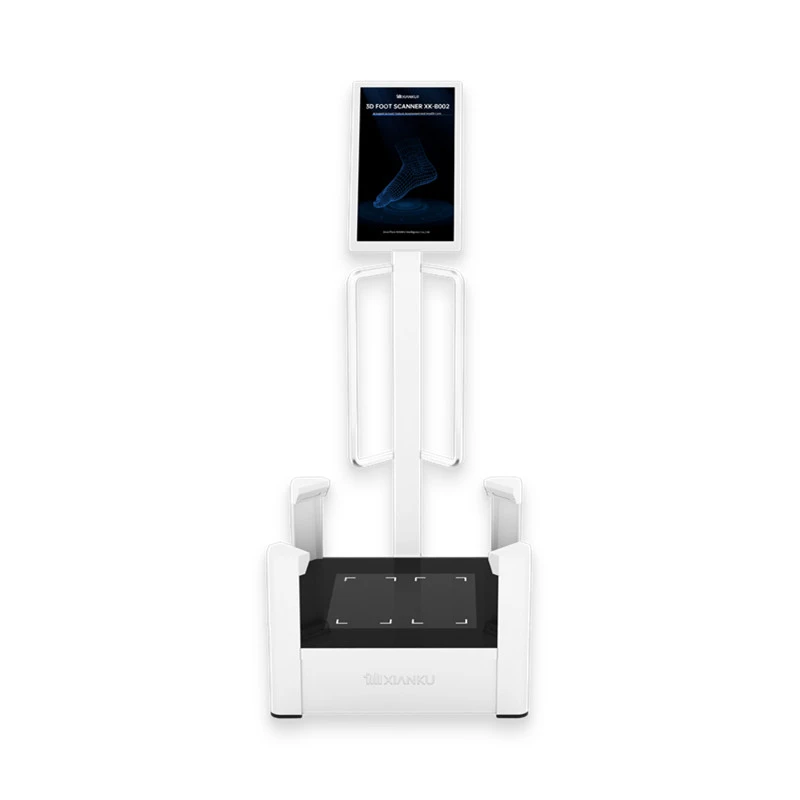
One of our flagship products is the 3D Foot Scanner, which combines infrared thermography, Doppler ultrasound, and PPG technologies to provide a detailed assessment of blood circulation in the feet. This scanner can detect even subtle changes in blood flow, allowing for early detection of circulation problems.
In addition to the 3D Foot Scanner, we also offer the 3D Body Scanning Pod and the 3D Body Scanning Mirror, which provide a comprehensive view of the patient's body, including the feet. These scanners can help healthcare professionals identify other factors that may contribute to circulation problems, such as obesity or musculoskeletal issues.
Contact Us for More Information
If you're interested in learning more about our foot health scanners or would like to discuss how they can benefit your practice, please don't hesitate to contact us. Our team of experts is available to answer your questions and provide you with more information about our products and services.
Early detection of circulation problems in the feet is essential for maintaining optimal foot health and preventing serious complications. By investing in our advanced foot health scanners, you can provide your patients with the highest level of care and improve their outcomes.
References
- American Diabetes Association. (2021). Diabetic Foot Care. Retrieved from [Website URL]
- National Heart, Lung, and Blood Institute. (2021). Peripheral Artery Disease. Retrieved from [Website URL]
- World Health Organization. (2021). Diabetes. Retrieved from [Website URL]