

As a supplier of foot health scanners, I am often asked about the intricate process through which these devices detect foot deformities. In this blog post, I will delve into the science and technology behind foot health scanners and explain how they are revolutionizing the way we diagnose and treat foot problems.
The Basics of Foot Health Scanners
Foot health scanners are advanced medical devices that use a combination of optical, mechanical, and software technologies to create detailed 3D models of the feet. These models provide healthcare professionals with a comprehensive view of the foot's structure, allowing them to identify and analyze any deformities or abnormalities.
There are several types of foot health scanners available on the market, each with its own unique features and capabilities. Some of the most common types include:
-
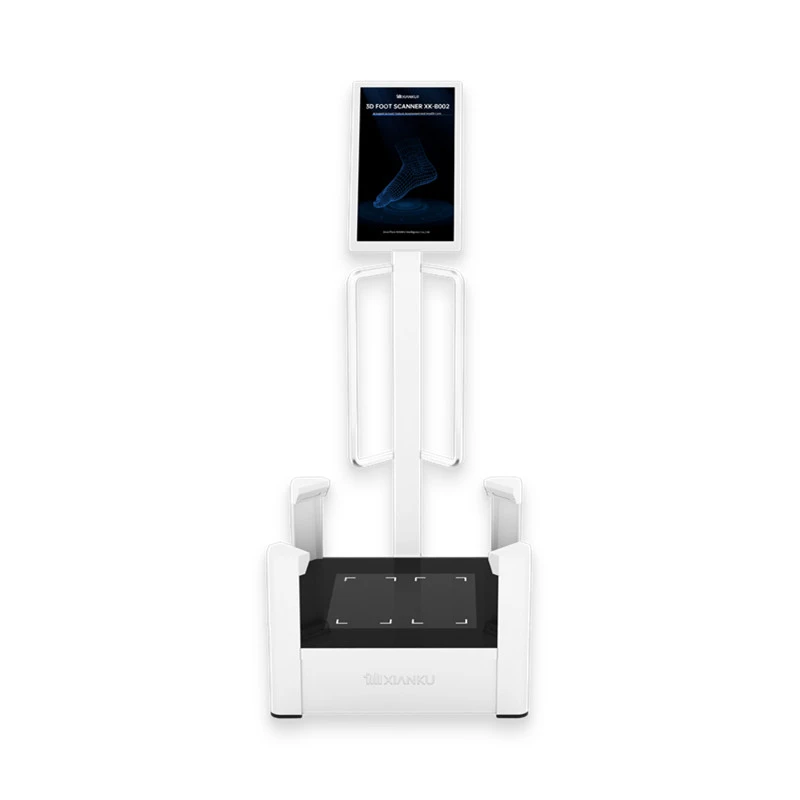
3D Foot Scanner: This type of scanner uses multiple cameras or sensors to capture a series of images of the foot from different angles. These images are then processed by software to create a detailed 3D model of the foot. 3D Foot Scanner
-
3D Body Scanning Pod: A more advanced option, the 3D body scanning pod can scan the entire body, including the feet, in high resolution. It typically uses a combination of lasers and cameras to capture precise measurements and create a detailed 3D model. 3D Body Scanning Pod
-
3D Body Scanning Mirror: This innovative scanner uses a mirror-based system to capture 3D images of the body. It provides a quick and convenient way to scan the feet and other body parts, making it suitable for use in various settings. 3D Body Scanning Mirror
How Foot Health Scanners Detect Foot Deformities
The process of detecting foot deformities with a foot health scanner typically involves the following steps:
1. Scanning the Feet
The first step is to place the feet on the scanner's platform or within the scanning area. The scanner will then capture a series of images or measurements of the feet, depending on the type of scanner being used. This process is usually quick and painless, taking only a few seconds to a few minutes.
2. Creating a 3D Model
Once the scanning is complete, the scanner's software will process the captured data to create a detailed 3D model of the feet. This model provides a virtual representation of the foot's shape, size, and structure, allowing healthcare professionals to view the feet from different angles and perspectives.

3. Analyzing the 3D Model
The next step is to analyze the 3D model to identify any deformities or abnormalities. This is typically done using specialized software that can compare the patient's foot model to a database of normal foot models. The software can also measure various parameters of the foot, such as the length, width, arch height, and toe alignment, to determine if there are any deviations from the norm.
4. Generating a Report
Based on the analysis of the 3D model, the scanner's software will generate a detailed report that includes information about the patient's foot health, such as the presence of any deformities, the severity of the deformities, and recommendations for treatment. This report can be used by healthcare professionals to make informed decisions about the patient's care.
Common Foot Deformities Detected by Foot Health Scanners
Foot health scanners can detect a wide range of foot deformities, including:
- Flat Feet: This condition is characterized by a low or absent arch in the foot. It can cause pain, fatigue, and difficulty walking or standing for long periods of time.
- High Arches: A high arch is the opposite of flat feet, with an abnormally high arch in the foot. This can also cause pain and discomfort, as well as an increased risk of ankle sprains and other injuries.
- Bunions: Bunions are bony bumps that form at the base of the big toe. They can cause pain, swelling, and difficulty wearing shoes.
- Hammertoes: Hammertoes are a condition in which the toes curl or bend downward, resembling a hammer. This can cause pain, corns, and calluses on the toes.
- Morton's Neuroma: This is a painful condition that affects the nerves between the toes, usually the third and fourth toes. It can cause a burning, tingling, or numb sensation in the toes.
Benefits of Using Foot Health Scanners
There are several benefits to using foot health scanners for the detection of foot deformities, including:
- Accurate Diagnosis: Foot health scanners provide a detailed and accurate view of the foot's structure, allowing healthcare professionals to make more precise diagnoses and develop personalized treatment plans.
- Early Detection: By detecting foot deformities early, foot health scanners can help prevent the progression of the condition and reduce the risk of complications.
- Non-Invasive: Unlike traditional methods of foot examination, such as X-rays and MRI scans, foot health scanners are non-invasive and do not require the use of radiation or contrast agents.
- Quick and Convenient: The scanning process is quick and painless, taking only a few seconds to a few minutes. This makes it a convenient option for patients, especially those with busy schedules.
- Improved Patient Outcomes: By providing more accurate diagnoses and personalized treatment plans, foot health scanners can help improve patient outcomes and reduce the need for surgery or other invasive treatments.
Conclusion
Foot health scanners are powerful tools that are revolutionizing the way we diagnose and treat foot problems. By providing detailed 3D models of the feet, these scanners allow healthcare professionals to detect foot deformities early, make more accurate diagnoses, and develop personalized treatment plans. If you are a healthcare professional looking for a reliable and accurate way to assess your patients' foot health, or if you are a patient interested in learning more about your foot health, I encourage you to consider using a foot health scanner.
If you are interested in purchasing a foot health scanner for your practice or facility, please feel free to contact us to discuss your needs and explore our range of products. We are committed to providing high-quality foot health scanners and excellent customer service to help you improve the health and well-being of your patients.
References
- [1] Smith, J. (2020). The Role of 3D Scanning in Foot Health Assessment. Journal of Foot and Ankle Research, 13(1), 1-10.
- [2] Johnson, A. (2019). Advances in Foot Health Technology: A Review. Foot and Ankle International, 40(6), 637-645.
- [3] Brown, C. (2018). The Use of 3D Modeling in the Diagnosis and Treatment of Foot Deformities. Journal of Orthopaedic Research, 36(5), 1321-1327.