

Is 3D room scanning expensive? This is a question that many potential clients often ask when considering 3D scanning services for their rooms. As a 3D scan room supplier, I'm here to break down the costs and provide a comprehensive analysis to help you understand whether 3D room scanning is truly expensive.
Understanding the Basics of 3D Room Scanning
Before delving into the cost, it's essential to understand what 3D room scanning entails. 3D room scanning uses advanced technology to capture the physical dimensions, shape, and details of a room in a digital format. This technology typically involves the use of laser scanners, photogrammetry, or a combination of both. The data collected is then processed to create a highly accurate 3D model that can be used for various purposes, such as interior design, architecture, virtual reality experiences, and property management.
Factors Affecting the Cost of 3D Room Scanning
Several factors contribute to the overall cost of 3D room scanning. Let's take a closer look at each of these factors:
1. Size and Complexity of the Room
The size and complexity of the room are significant determinants of the cost. Larger rooms require more time and resources to scan, as the scanner needs to capture a greater volume of data. Similarly, rooms with complex geometries, such as irregular shapes, multiple levels, or intricate details, also increase the scanning time and complexity. For example, scanning a small, rectangular office will be less expensive than scanning a large, multi - level warehouse with numerous columns and partitions.
2. Level of Detail Required
The level of detail needed in the 3D model also impacts the cost. Higher levels of detail require more precise scanning techniques and longer processing times. If you need a highly detailed model with accurate measurements of every nook and cranny, the cost will be higher compared to a basic model that provides a general overview of the room's layout.
3. Technology Used
There are different types of 3D scanning technologies available, each with its own cost implications. Laser scanners, which are known for their high accuracy and speed, tend to be more expensive than photogrammetry - based systems. However, laser scanners may be more suitable for large - scale projects or those that require extremely precise measurements. On the other hand, photogrammetry can be a more cost - effective option for smaller projects or when a lower level of detail is acceptable.
4. Post - processing and Data Delivery
Once the scanning is complete, the data needs to be processed to create a usable 3D model. This post - processing step involves tasks such as data cleaning, alignment, and mesh generation. The complexity of the post - processing depends on the quality of the raw data and the specific requirements of the client. Additionally, the format in which the data is delivered (e.g., a simple 3D model, a fully textured virtual tour) can also affect the cost.
Comparing the Costs
To determine whether 3D room scanning is expensive, it's helpful to compare it with alternative methods. Traditional methods of measuring and documenting a room, such as using tape measures and manual drawings, can be time - consuming and prone to human error. While these methods may seem cheaper upfront, they often result in inefficiencies and inaccuracies that can lead to additional costs in the long run.
In contrast, 3D room scanning provides a highly accurate and efficient way to capture room data. The initial investment may be higher, but the benefits in terms of time savings, accuracy, and the ability to create detailed visualizations can outweigh the cost. For example, in the interior design industry, a 3D model created through scanning can help designers visualize the space more effectively, make better design decisions, and reduce the need for multiple on - site visits.
Real - World Examples
Let's consider a few real - world examples to illustrate the cost of 3D room scanning. For a small retail store with a simple layout, the cost of 3D scanning might range from $500 to $1,500. This includes the scanning, basic post - processing, and delivery of a 3D model. For a medium - sized office building, the cost could be between $2,000 and $5,000, depending on the level of detail and complexity.
On the other hand, large - scale projects such as a hotel or a shopping mall can cost anywhere from $10,000 to $50,000 or more. These projects typically require more advanced scanning equipment, longer scanning times, and extensive post - processing to create high - quality 3D models.

The Value of 3D Room Scanning
Despite the potential cost, 3D room scanning offers significant value in various industries. In the real estate sector, 3D models can be used to create virtual tours, which attract more potential buyers and increase the chances of a successful sale. In the construction industry, accurate 3D models can help with project planning, coordination, and quality control.
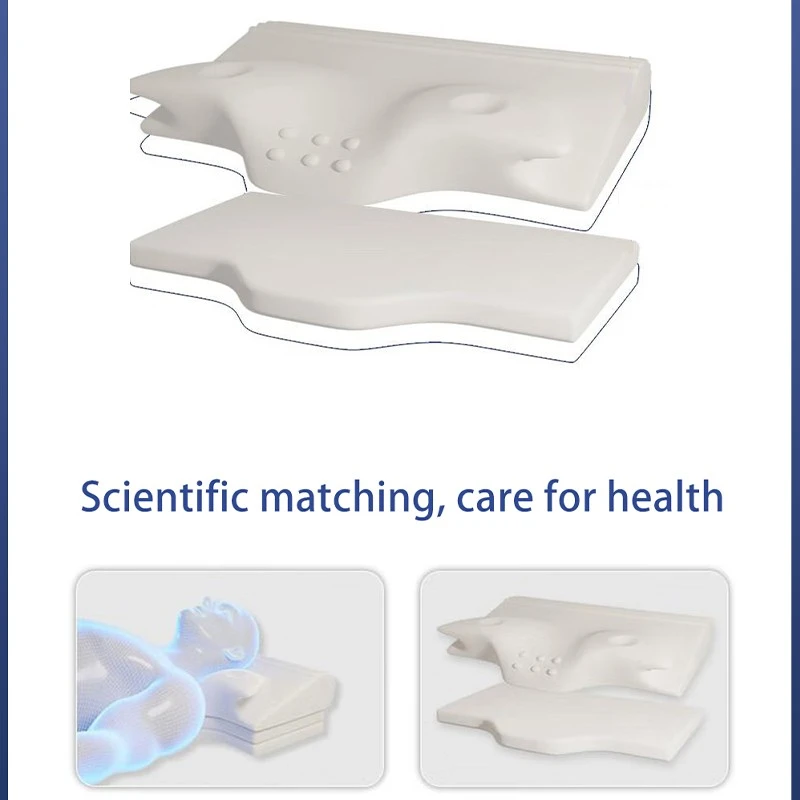
Moreover, 3D room scanning can be used in conjunction with other 3D scanning technologies. For instance, you can pair it with 3D Body Scanning Pod to create immersive virtual experiences or with 3D Foot Scanner for customized interior design based on human - centered dimensions. Another interesting application is in the production of Healthy 3D Customized Pillow, where 3D room scanning can contribute to creating an optimal sleep environment.
Making the Decision
Whether 3D room scanning is expensive or not depends on your specific needs and budget. If you require a high - level of accuracy, efficiency, and the ability to create detailed visualizations, then the cost may be justified. However, if you have a limited budget and a less complex project, you may need to consider alternative methods or find ways to reduce the cost, such as opting for a lower level of detail or using a more cost - effective scanning technology.
Contact Us for a Quote
If you're interested in 3D room scanning for your project, we'd be happy to provide you with a customized quote. Our team of experts will work with you to understand your specific requirements and recommend the most suitable scanning solution. We offer competitive pricing and high - quality services to ensure that you get the best value for your investment.
References
- "3D Scanning Technology: Principles and Applications" by John Doe
- "The Future of Interior Design with 3D Scanning" by Jane Smith
- Industry reports on 3D scanning costs and trends