

Hey there! As a supplier of body fat scan equipment, I've had my fair share of experiences with different types of body fat scanning methods. One that often comes up in discussions is hydrostatic weighing for body fat scans. It's a well - known technique, but it's not without its difficulties. Let's dive into what makes hydrostatic weighing a bit of a challenge.
First off, the setup for hydrostatic weighing is pretty complex. You need a specialized tank large enough for a person to submerge in. This tank has to be equipped with precise weighing mechanisms. Not only that, but it also requires a controlled environment. The temperature of the water in the tank needs to be maintained at a specific level because water density changes with temperature. Even a small variation in water temperature can lead to inaccurate results. For us as a body fat scan supplier, providing and maintaining such a setup can be a real headache. It involves a lot of technical know - how and constant monitoring.
Another big hurdle is the comfort factor for the person being scanned. Imagine having to sit still in a tank of water. It's not the most pleasant experience for everyone. Some people are just not comfortable being fully submerged, especially those with a fear of water. Even for those who aren't afraid, having to hold their breath and stay perfectly still while being weighed underwater is no easy feat. This lack of comfort can lead to involuntary movements, which in turn can affect the accuracy of the measurement. As a supplier, we often get feedback from users about this discomfort, and it's something we have to address when promoting hydrostatic weighing as a body fat scanning option.
Accuracy is also a major concern with hydrostatic weighing. While it's considered one of the more accurate methods in theory, there are so many factors that can throw off the results. For example, the amount of air in a person's lungs can significantly impact the measurement. If the person doesn't exhale completely before being weighed underwater, it can make them seem less dense than they actually are, leading to an inaccurate body fat percentage calculation. Additionally, the presence of gas in the digestive system can also affect the results. These small details are often overlooked, but they can make a big difference in the final body fat reading.
Cost is yet another difficulty. The equipment required for hydrostatic weighing is expensive. From the specialized tank to the high - precision weighing devices, the initial investment is substantial. For businesses or individuals looking to purchase a body fat scanning solution, this high cost can be a deterrent. As a supplier, we understand that cost is a major factor for our customers. We have to find ways to make hydrostatic weighing more cost - effective or at least justify the high price tag by highlighting its advantages over other methods.
Maintenance of hydrostatic weighing equipment is also a pain point. The tank needs to be regularly cleaned to prevent the growth of bacteria and algae. The weighing mechanisms have to be calibrated frequently to ensure accurate results. Any mechanical or electrical issues with the equipment can lead to downtime, which is a big problem for businesses that rely on these scans. As a supplier, we offer maintenance services, but it still adds an extra layer of complexity to the whole process.
Now, let's talk about some alternatives that we offer as a body fat scan supplier. We have the 3D Body Scanning Pod, which uses advanced 3D imaging technology. It's a non - invasive and comfortable way to get body fat measurements. The person simply steps into the pod, and within a few minutes, they get a detailed report of their body composition. It's much quicker and more convenient than hydrostatic weighing.
Another great option is the 3D Body Scanning Mirror. This innovative device uses mirrors and sensors to create a 3D model of the body. It provides accurate body fat measurements and can also show how the body changes over time. It's a great addition to fitness centers or clinics.
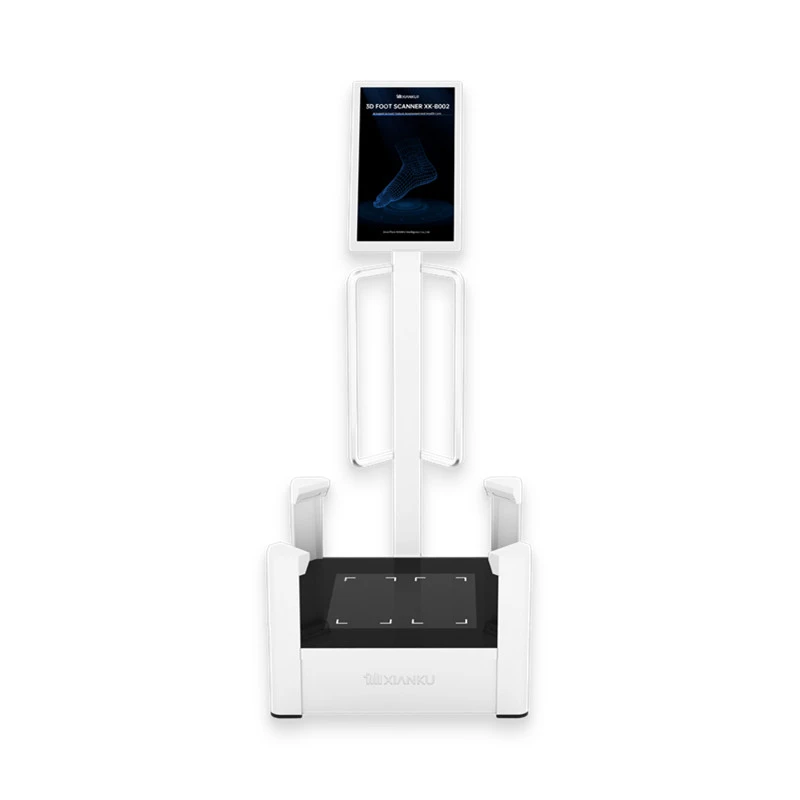
We also have the 3D Foot Scanner, which can be used in conjunction with body fat scans to get a more comprehensive view of a person's body. It can help in analyzing foot structure and gait, which can be related to overall body health.
In conclusion, while hydrostatic weighing has its place in the world of body fat scanning, it comes with a lot of difficulties. The complex setup, lack of comfort for users, accuracy issues, high cost, and maintenance requirements are all factors that make it a challenging option. As a body fat scan supplier, we're constantly looking for ways to improve and offer more user - friendly and cost - effective solutions. If you're interested in learning more about our body fat scanning equipment or want to discuss a potential purchase, don't hesitate to reach out. We're here to help you find the best solution for your needs.

References
- ACSM's Guidelines for Exercise Testing and Prescription.
- Lohman, T. G., Roche, A. F., & Martorell, R. (Eds.). (1988). Anthropometric standardization reference manual. Human Kinetics.