

Hey there! As a supplier of muscle rate scanning technology, I'm super stoked to dive into the future prospects of this amazing field. Muscle rate scanning is a game - changer, and it's only going to get better from here.
First off, let's talk about what muscle rate scanning is all about. In simple terms, it's a way to measure the amount and quality of muscle in the body. This can be crucial for a whole bunch of reasons, from athletes looking to optimize their performance to healthcare providers trying to monitor the muscle health of patients.
One of the most exciting prospects for muscle rate scanning is in the fitness and sports industry. Athletes are constantly on the lookout for ways to gain an edge. With accurate muscle rate scanning, they can precisely track their muscle development over time. Coaches can use this data to create personalized training programs. For example, if a scan shows that a sprinter has more muscle mass in their left leg than their right, the coach can design exercises to balance it out. This not only improves performance but also reduces the risk of injuries.
In the healthcare sector, muscle rate scanning is a real breakthrough. As we age, we tend to lose muscle mass, a condition known as sarcopenia. Early detection of muscle loss through scanning can help doctors intervene earlier. They can recommend specific diets, exercise programs, or even medications to slow down or reverse the process. This can significantly improve the quality of life for older adults and reduce the burden on the healthcare system.
Now, let's take a look at the technology side of things. The future of muscle rate scanning is closely tied to the advancements in 3D scanning technology. We offer some really cool products like the 3D Body Scanning Mirror, 3D Body Scanning Pod, and 3D Foot Scanner. These devices are not only highly accurate but also user - friendly.
The 3D Body Scanning Mirror, for instance, provides a full - body scan in a matter of seconds. It gives detailed information about muscle distribution, body fat percentage, and more. This kind of quick and accurate data collection is essential for both fitness enthusiasts and medical professionals.
The 3D Body Scanning Pod takes it a step further. It offers a more comprehensive scan, capturing even the smallest details of the body's muscle structure. This is especially useful for high - level athletes who need extremely precise data for their training.
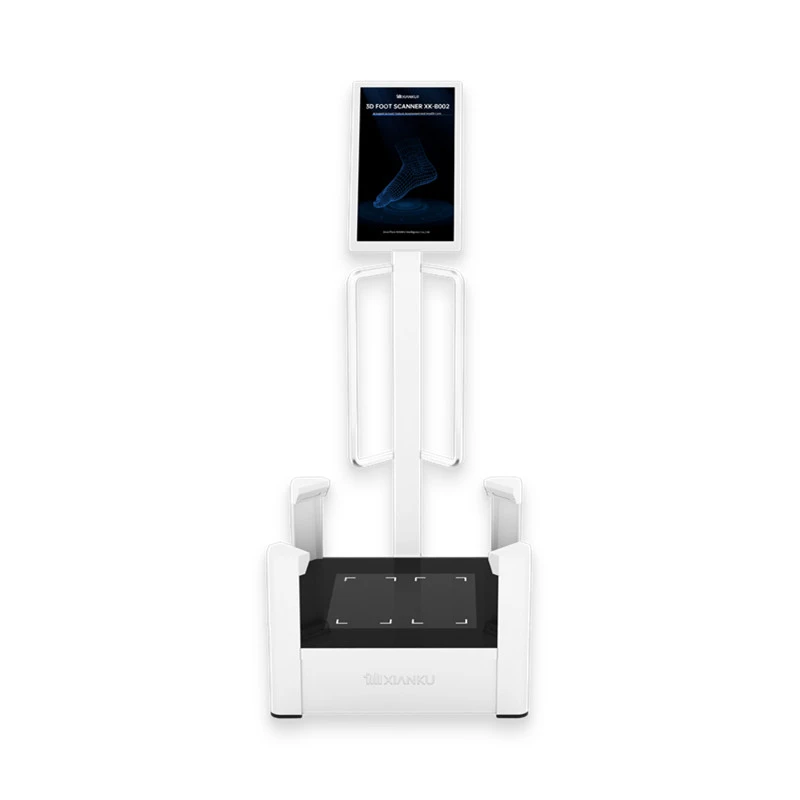

And then there's the 3D Foot Scanner. While it might seem a bit niche at first, it's actually quite important. Foot muscles play a crucial role in balance, movement, and overall body posture. By accurately scanning the foot muscles, we can identify issues like muscle imbalances or weaknesses early on, which can prevent more serious problems down the road.
Another area where muscle rate scanning has great potential is in the beauty and wellness industry. Many people these days are not just concerned about looking good but also about being healthy. Muscle rate scanning can provide them with objective data about their body composition. A person who is trying to get fit can use the scan results to see if their workouts are actually building muscle or just reducing fat. This can be a great motivator and help them make more informed decisions about their fitness and diet.
In the future, we can also expect muscle rate scanning to become more accessible. Currently, these scanning devices are mostly found in high - end fitness centers, sports clinics, and hospitals. But as the technology becomes more affordable and easier to operate, we'll likely see them in local gyms, physical therapy offices, and even in people's homes.
Imagine having a small, portable muscle rate scanner at home. You could quickly scan yourself before and after a workout to see how your muscle is responding. This kind of real - time feedback can be incredibly valuable for anyone who wants to take control of their health and fitness.
The integration of muscle rate scanning with other technologies is also on the horizon. For example, we could see it being combined with artificial intelligence. AI algorithms could analyze the scan data and provide personalized recommendations. It could suggest the best exercises for a particular muscle group based on the individual's current muscle status, or it could predict the likelihood of muscle - related injuries.
As a supplier, we're constantly working on improving our products. We're investing in research and development to make our scanners more accurate, faster, and more affordable. We also provide excellent customer support to ensure that our clients, whether they're fitness centers, hospitals, or individual users, can get the most out of our muscle rate scanning technology.
If you're in the fitness, healthcare, beauty, or any other industry that could benefit from muscle rate scanning, I encourage you to reach out to us. We'd love to have a chat about how our products can meet your specific needs. Whether you're looking to upgrade your existing equipment or start using muscle rate scanning for the first time, we've got the solutions for you.
In conclusion, the future of muscle rate scanning is incredibly bright. With its wide range of applications in various industries, the continuous advancement of technology, and the increasing demand for accurate body composition data, it's set to become an essential tool in the years to come. So, don't miss out on this exciting opportunity. Let's work together to bring the benefits of muscle rate scanning to more people.
References
- "Advances in 3D Body Scanning Technology" - Journal of Biomedical Engineering
- "The Role of Muscle Rate Scanning in Sports Performance" - Sports Science Review
- "Sarcopenia: Detection and Intervention" - Geriatric Medicine Journal