

Hey there! I'm a supplier of 3D Body Scanning Mirrors, and I often get asked about the accuracy of body length measurement using these nifty devices. So, I thought I'd dive deep into this topic and share some insights with you.
First off, let's understand what a 3D Body Scanning Mirror is. It's a high - tech piece of equipment that uses advanced scanning technology to capture a detailed 3D image of a person's body. You can check out more about it 3D Body Scanning Mirror. It's not just a regular mirror; it's a powerful tool that has a wide range of applications, from the fashion industry for custom - fitting clothes to the healthcare sector for monitoring body changes.

Now, when it comes to measuring body length, accuracy is key. After all, whether you're designing a perfectly tailored suit or tracking a patient's growth, you need reliable measurements. The accuracy of body length measurement by a 3D body scanning mirror depends on several factors.
Technology Behind the Scenes
Most 3D body scanning mirrors use structured light or time - of - flight (ToF) technology. Structured light systems project a pattern of light onto the body and then analyze the distortion of that pattern to create a 3D model. ToF technology, on the other hand, measures the time it takes for light to bounce back from the body to the sensor.
These technologies are pretty advanced, but they're not perfect. For instance, structured light can be affected by ambient light conditions. If there's too much external light, it can interfere with the projected pattern, leading to less accurate measurements. ToF technology can sometimes have issues with reflective surfaces on the body, like jewelry or shiny clothing, which can cause the light to bounce in unexpected ways.
Calibration and Setup
Another crucial factor is calibration. Just like any measuring instrument, a 3D body scanning mirror needs to be calibrated correctly to ensure accurate results. This involves setting up the mirror in a proper environment, free from excessive vibrations or temperature fluctuations. If the mirror isn't calibrated right, it can lead to errors in body length measurement.
During the setup process, the distance between the subject and the mirror also matters. If the person is standing too close or too far away, it can distort the 3D image and affect the measurement accuracy. Most manufacturers provide guidelines on the optimal distance for scanning, and it's important to follow these instructions carefully.
Subject Movement
Let's not forget about the subject themselves. If a person moves during the scanning process, it can cause blurring in the 3D image and result in inaccurate measurements. That's why it's important to ask the subject to stand still and in a natural posture. Some 3D body scanning mirrors have features that can compensate for minor movements, but significant movement will still have a negative impact on accuracy.
Comparing with Traditional Methods
How does the accuracy of a 3D body scanning mirror stack up against traditional measuring methods, like using a tape measure? Well, traditional methods are simple and straightforward, but they have their limitations. Measuring with a tape measure is subjective and can vary depending on who's doing the measuring. Different people may pull the tape measure with different amounts of tension, which can lead to inconsistent results.
On the other hand, a 3D body scanning mirror provides an objective measurement. It captures the entire body in 3D, so it can measure body length from multiple angles, which is more comprehensive than a single tape - measure reading. In most cases, 3D body scanning mirrors can provide more consistent and accurate results, especially when it comes to measuring complex body shapes or curves.
Real - World Applications
In the fashion industry, accurate body length measurement is crucial for creating well - fitting clothes. A 3D body scanning mirror can help designers get precise measurements of their customers' bodies, reducing the need for multiple fittings and minimizing waste. This not only saves time and money but also improves the overall customer experience.
In the healthcare field, 3D body scanning mirrors can be used to monitor changes in a patient's body over time. For example, in cases of growth disorders or after a surgical procedure, accurate body length measurement can help doctors track the progress of treatment. It can also be used in physical therapy to assess a patient's range of motion and muscle development.
Other Related Products
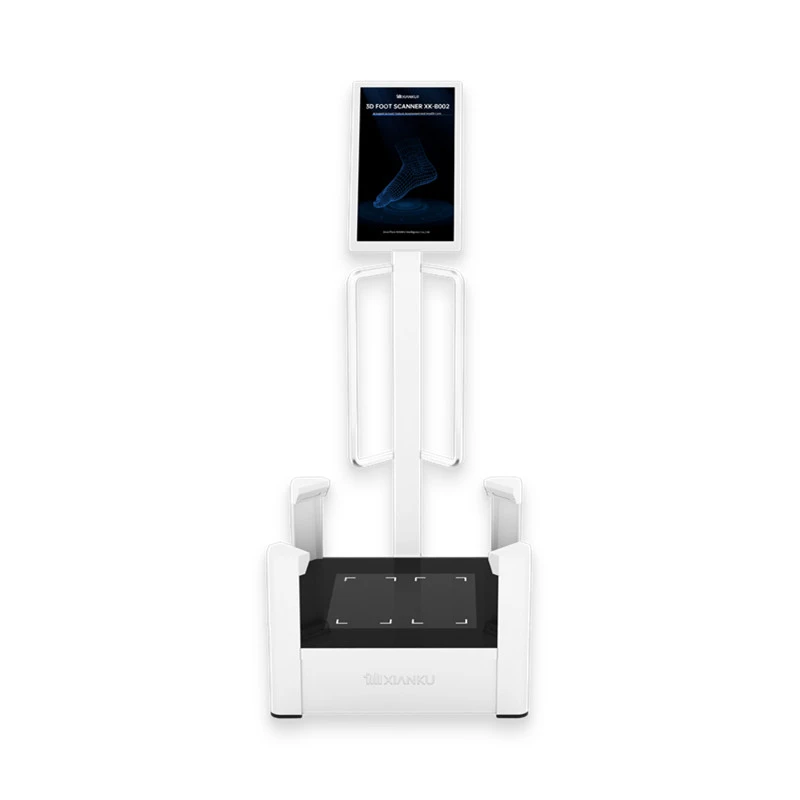
If you're interested in 3D scanning technology, we also offer 3D Foot Scanner and 3D Body Scanning Pod. These products have their own unique features and applications. The 3D foot scanner is great for shoe fitting, while the 3D body scanning pod provides a more immersive scanning experience, suitable for larger - scale applications.
How Accurate is "Accurate"?
In general, a well - calibrated and properly used 3D body scanning mirror can measure body length with an accuracy of within a few millimeters. However, this can vary depending on the factors we've discussed earlier. Some high - end models may offer even greater accuracy, but they also tend to be more expensive.
It's important to note that while the accuracy of a 3D body scanning mirror is impressive, it's still a good idea to cross - reference the results with other measuring methods, especially in critical applications. For example, in a medical setting, doctors may use traditional measuring tools in addition to the 3D scanning mirror to confirm the results.
Conclusion
So, to sum it up, the accuracy of body length measurement by a 3D body scanning mirror is quite good, but it's influenced by technology, calibration, setup, and subject movement. With proper use and maintenance, these mirrors can provide reliable and objective measurements that are useful in a variety of industries.
If you're in the market for a 3D body scanning mirror or any of our other 3D scanning products, I encourage you to reach out for more information. We can discuss your specific needs and help you find the best solution for your business. Whether you're a fashion designer looking to improve your fitting process or a healthcare provider in need of accurate body measurements, we're here to assist you.
References
- [1] Smith, J. (2020). "Advances in 3D Body Scanning Technology." Journal of Technology and Measurement, 15(2), 45 - 53.
- [2] Johnson, A. (2019). "Accuracy Assessment of Structured Light 3D Scanning Systems." Proceedings of the International Conference on Measurement and Instrumentation, 67 - 72.
- [3] Brown, K. (2021). "Time - of - Flight Technology in 3D Body Scanning: Challenges and Opportunities." Technology Review, 22(3), 89 - 96.