Introduction
Hallux valgus is a common structural deformity of the foot characterized by the lateral deviation of the great toe at the metatarsophalangeal joint. Beyond being a cosmetic concern, this condition can lead to significant pain, impaired mobility, and secondary complications like hammertoes and metatarsalgia. An accurate hallux valgus assessment is critical, serving as the foundation for both effective clinical management and the development of innovative commercial solutions.
This guide explores the multifaceted role of assessment in clinical practice, its expanding commercial applications, and the transformative potential of integrating these approaches within the footwear industry and podiatric clinics.
Understanding Hallux Valgus and the Imperative for Assessment
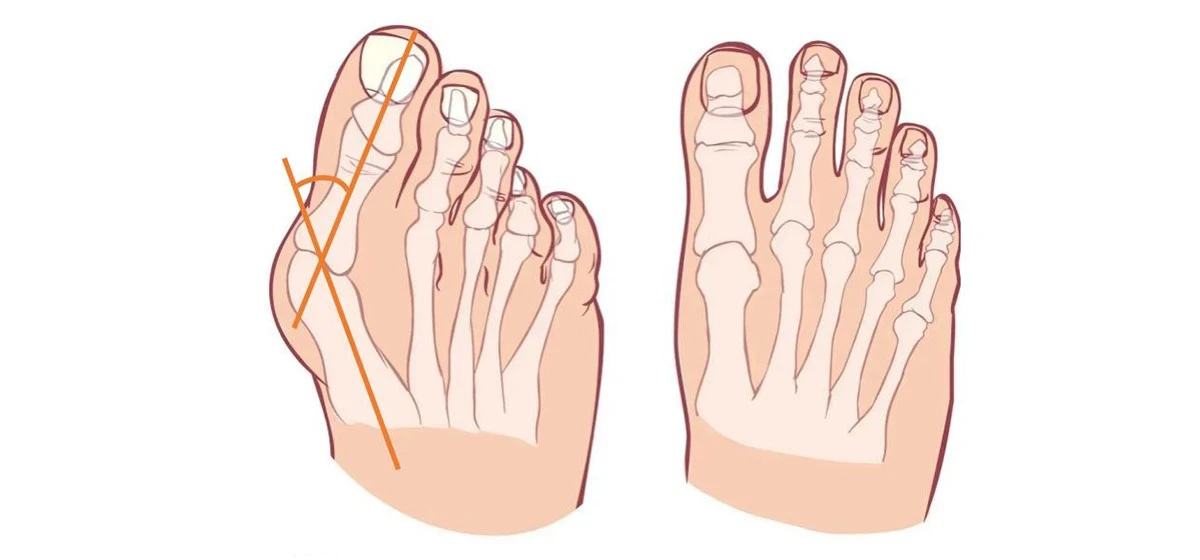
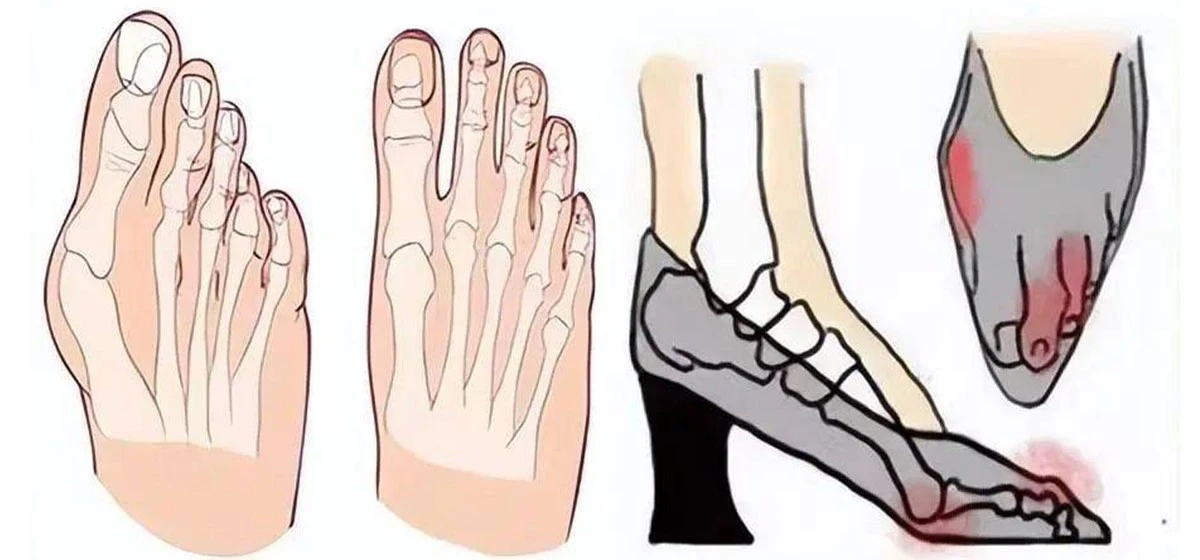
Often referred to as a bunion, hallux valgus involves more than a bony prominence. It is a complex three-dimensional deformity involving the first metatarsal and proximal phalanx. Common causes include genetic predisposition, ill-fitting footwear, and certain arthritic or neuromuscular conditions. Symptoms range from the visible bump and toe angulation to pain, inflammation (bursitis), and difficulty wearing standard shoes.
A systematic hallux valgus assessment is the cornerstone of care. It determines the severity of the deformity, identifies contributing biomechanical factors, differentiates it from other conditions, and guides all subsequent decisions-from conservative therapy to surgical planning.
Core Methodologies in Hallux Valgus Assessment
A robust hallux valgus assessment integrates both traditional and advanced techniques to form a complete diagnostic picture.
1. Traditional Clinical and Radiographic Assessment
The initial evaluation is a comprehensive process often conducted by a podiatrist or orthopedic specialist. It involves:
- Patient History: Discussing symptoms, footwear habits, family history, and impact on daily activities.
- Physical Examination: Visual inspection of the foot's posture, gait analysis, and manual evaluation of joint mobility and tenderness. The examination also assesses skin condition, calluses, and other toe deformities.
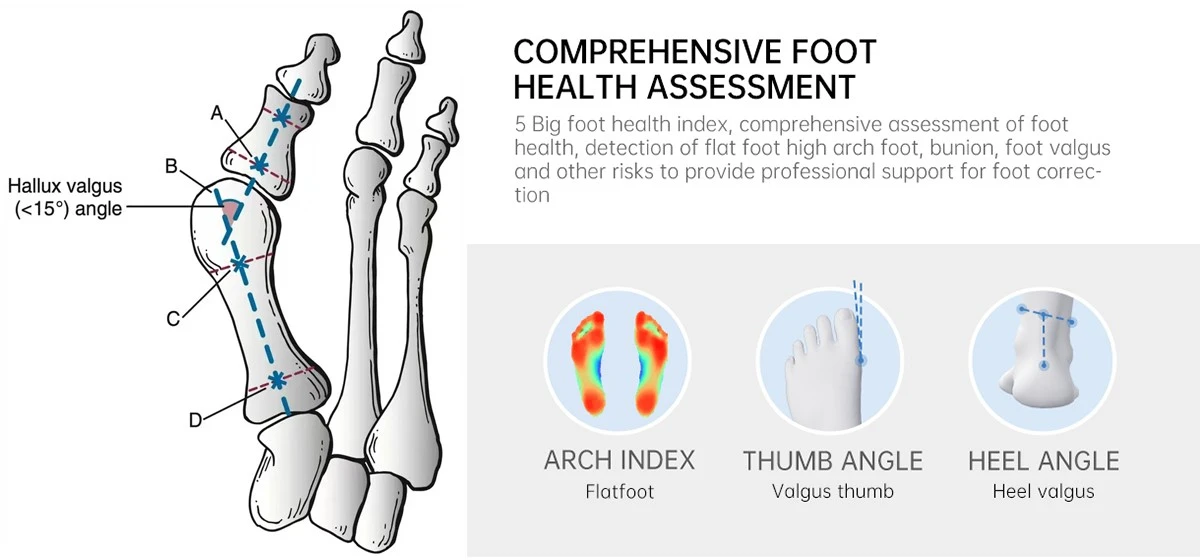
- Radiographic (X-ray) Measurement: This is the quantitative gold standard for a basic hallux valgus assessment. Key angles are measured on weight-bearing X-rays:
Hallux Valgus Angle (HVA): The angle between the first metatarsal and the proximal phalanx. Normal is <15°.
Intermetatarsal Angle (IMA): The angle between the first and second metatarsals. Normal is <9°.
These measurements help classify severity (mild, moderate, severe), which directly informs treatment strategies.
2. Advanced Three-Dimensional and Functional Assessment
Emerging technologies provide a deeper, more dynamic understanding of the deformity:
- Weight-Bearing CT (WBCT) Scan: This technology captures a 3D image of the foot under load, revealing bone alignment and joint relationships that are missed in 2D X-rays. It is particularly valuable for assessing complex cases and planning precise surgical corrections.
- The AIR Classification: A method of classifying the shape of the first metatarsal head's lateral edge (as Angular, Intermediate, or Round) on X-rays. However, recent studies highlight its limitations in reliability, emphasizing the need for more robust 3D measurement tools like WBCT for accurate surgical planning.
- Gait and Pressure Analysis: Using pressure-sensitive mats or insoles to analyze walking patterns and plantar pressure distribution. This identifies abnormal forces contributing to or resulting from the bunion.
Table 1: Comparison of Hallux Valgus Assessment Techniques
| Technique | Primary Purpose | Key Metrics/Outputs | Best For |
|---|---|---|---|
| Clinical Exam | Initial diagnosis, functional impact | Patient history, visual inspection, joint ROM, pain location | All patients, first-line evaluation |
| Weight-Bearing X-ray | Quantifying deformity severity & planning | HVA, IMA, DMAA, joint congruity | Staging severity, guiding conservative vs. surgical decisions |
| Weight-Bearing CT (WBCT) | 3D bone alignment & complex deformity analysis | 3D bone rotation, joint subluxation, α angle relative to floor | Complex/revision cases, advanced surgical planning |
| Gait Analysis | Assessing dynamic biomechanical dysfunction | Pressure distribution, gait cycle abnormalities, foot progression angle | Informing orthotic & rehabilitative therapy |
Clinical Application of Assessment
The findings from a hallux valgus assessment directly dictate the clinical pathway. A typical musculoskeletal podiatry service follows a structured approach from assessment to treatment.
Table 2: Key Components of a Clinical Hallux Valgus Assessment
| Assessment Domain | Specific Elements to Evaluate |
|---|---|
| History & Symptoms | Location and type of pain; history of falls; footwear habits; difficulty with foot care; related systemic conditions (e.g., arthritis, diabetes). |
| Physical Inspection | Bony prominence (bunion); hygiene and skin condition (calluses, ulcers); toe deformities (hammer toes); edema; vascular status (pedal pulses, skin temperature). |
| Neurological Screen | Light touch sensation (e.g., Ipswich Touch Test); reflexes; muscle strength. |
| Biomechanical Evaluation | Foot posture (flat foot, high arch); range of motion at ankle, subtalar, and 1st MTP joints; gait observation. |
Based on this assessment, treatment is personalized:
- Mild Cases (HVA <25°): Managed with footwear modification, activity advice, and often, custom foot orthoses to correct underlying biomechanics.
- Moderate-Severe Cases (HVA >25°) or Failed Conservative Care: May require surgical intervention. The preoperative hallux valgus assessment is critical here, with 3D imaging like WBCT becoming essential for determining the exact osteotomy type and correction angle needed for a lasting result.
Commercial and Technological Application of Assessment
The principles of hallux valgus assessment have moved beyond the clinic into the commercial sector, driving product innovation and new business models.
- AI-Driven Custom Orthotics: Companies are leveraging AI algorithms that process 3D foot scans, gait data, and assessment parameters to design perfectly customized insoles. These devices aim to redistribute pressure, correct alignment, and slow bunion progression, offering a proactive, non-invasive solution.
- Data-Driven Footwear Design: Footwear brands use aggregated, anonymized assessment data from scans and pressure maps to inform the last design of their shoes. This leads to products with wider toe boxes, better arch support, and integrated comfort zones for common pressure points associated with hallux valgus.
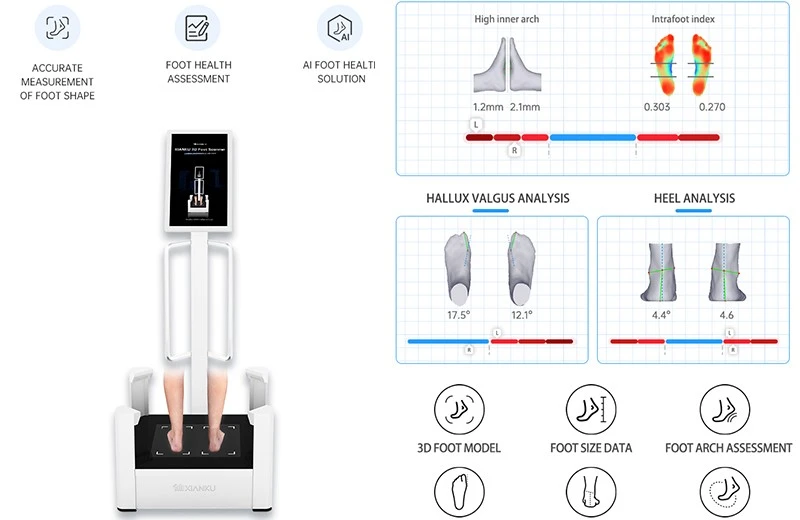
- Direct-to-Consumer Assessment Tools: Mobile apps and at-home 3D scanners are emerging, allowing consumers to perform a preliminary self-assessment. While not diagnostic, these tools raise awareness and can guide individuals toward seeking professional care or suitable footwear.
Table 3: Commercial Applications of Hallux Valgus Assessment Technology
| Application Sector | Technology Used | Business Value Proposition |
|---|---|---|
| Medical Device/Orthotics | AI, 3D scanning, pressure mapping | Creates high-margin, personalized medical devices (custom insoles) with proven clinical outcomes. |
| Footwear Retail | In-store 3D foot scanners, fit recommendation algorithms | Enhances customer experience, reduces returns, positions brand as "foot health expert," drives sales of premium products. |
| Telehealth & Podiatry | Remote assessment software, cloud-based data platforms | Expands clinic reach, enables remote monitoring, creates a digital workflow from assessment to product delivery. |
Business Integration: Synergy Between Footwear, Clinics, and Tech
The most promising developments occur at the intersection of industries, where a shared commitment to accurate hallux valgus assessment creates powerful synergies.
- Footwear Brand & Podiatry Clinic Partnerships: A footwear company might partner with a network of podiatry clinics. The clinic provides the expert assessment and diagnosis, while the brand offers a range of therapeutic shoes or seamless orthotic fabrication. This creates a referral ecosystem benefiting both parties and improving patient outcomes.
- Technology Providers as Connectors: Companies that develop assessment hardware (scanners) and software platforms can serve as the connecting layer. They provide tools to clinics for better diagnostics and, with patient consent, supply aggregated biomechanical data to footwear brands for R&D, creating a win-win-win model.
- Integrated Care Models: Future models may see "foot health hubs" that combine assessment, treatment, and product under one roof. A patient could receive a WBCT scan, consult with a podiatrist, and walk out with a pair of shoes digitally designed to accommodate their specific anatomy-all based on a single, comprehensive hallux valgus assessment.
Conclusion
A thorough hallux valgus assessment is much more than a diagnostic step. It is a dynamic process that bridges clinical medicine and commercial innovation. From guiding personalized patient care with traditional and advanced 3D tools to fueling the development of AI-powered orthotics and data-informed footwear, the applications are vast. For businesses and clinicians alike, investing in and leveraging sophisticated assessment methodologies is key to driving growth, improving patient and customer outcomes, and shaping the future of foot health. The integration of assessment technologies across the ecosystem promises a more proactive, precise, and patient-centric approach to managing hallux valgus and enhancing overall mobility.