

Hey there! I'm a supplier of 3D Foot Scanners, and today I wanna chat about whether a 3D foot scanner can be used for people with diabetic feet. It's a super important topic, as diabetes affects a huge number of folks around the world, and foot problems are a common and serious complication.
First off, let's understand what diabetic feet are all about. Diabetes can cause nerve damage, known as neuropathy, in the feet. This means that people with diabetic feet might not feel pain, heat, or cold properly. They're also more prone to poor blood circulation, which can slow down the healing process if they get a cut or an ulcer on their feet. And once these foot ulcers develop, they can be really tough to treat and may even lead to more serious issues like infections and amputations.

So, where does a 3D foot scanner come in? Well, a 3D Foot Scanner can be a game - changer in the management of diabetic feet. One of the key benefits is in the area of custom orthotics. Custom orthotics are special shoe inserts that are designed to fit the unique shape of a person's feet. For people with diabetic feet, properly fitting orthotics can help distribute pressure evenly across the foot. This is crucial because uneven pressure can lead to the development of ulcers.
A 3D foot scanner can create highly accurate 3D models of the feet. It captures every little detail, like the arches, the width, and the length of the foot. These detailed models can then be used by podiatrists or orthotists to design and manufacture custom orthotics that fit like a glove. With a precise fit, the orthotics can reduce the pressure on sensitive areas of the foot, preventing the formation of ulcers and providing better support.
Another advantage of using a 3D foot scanner for diabetic feet is in the early detection of problems. The scanner can monitor changes in the shape and structure of the feet over time. For example, if there's a sudden swelling in a particular area of the foot, the 3D scanner can pick up on it. Early detection of such changes allows for timely intervention. Doctors can adjust the treatment plan, such as changing the type of orthotics or recommending more aggressive wound - care if needed.
Now, let's talk about the technology behind 3D foot scanners. There are different types of 3D foot scanners available on the market. Some use structured light technology. This involves projecting a pattern of light onto the feet and then analyzing how the pattern is distorted. The scanner can then calculate the shape and dimensions of the feet based on this analysis. Other scanners use laser technology, which emits a laser beam and measures the time it takes for the beam to bounce back from the feet. Both methods are highly accurate and can provide detailed 3D models.
As a 3D foot scanner supplier, I've seen firsthand how these scanners can make a difference in the lives of people with diabetic feet. In many clinics and hospitals, 3D foot scanners have become an essential tool in the diabetic foot care program. They're not only beneficial for patients but also for healthcare providers. The scanners save time compared to traditional methods of taking foot measurements, like using a tape measure or a plaster cast.
However, it's important to note that a 3D foot scanner is not a standalone solution for diabetic feet. It's just one part of a comprehensive treatment plan. Diabetic patients still need to follow a strict diabetes management routine, which includes controlling their blood sugar levels, keeping their feet clean and dry, and wearing appropriate footwear.
In addition to custom orthotics and early detection, 3D foot scanners can also be used in patient education. The 3D models created by the scanner can be shown to patients, helping them understand the unique characteristics of their feet. This can make it easier for patients to comply with the treatment plan, such as wearing their orthotics regularly.
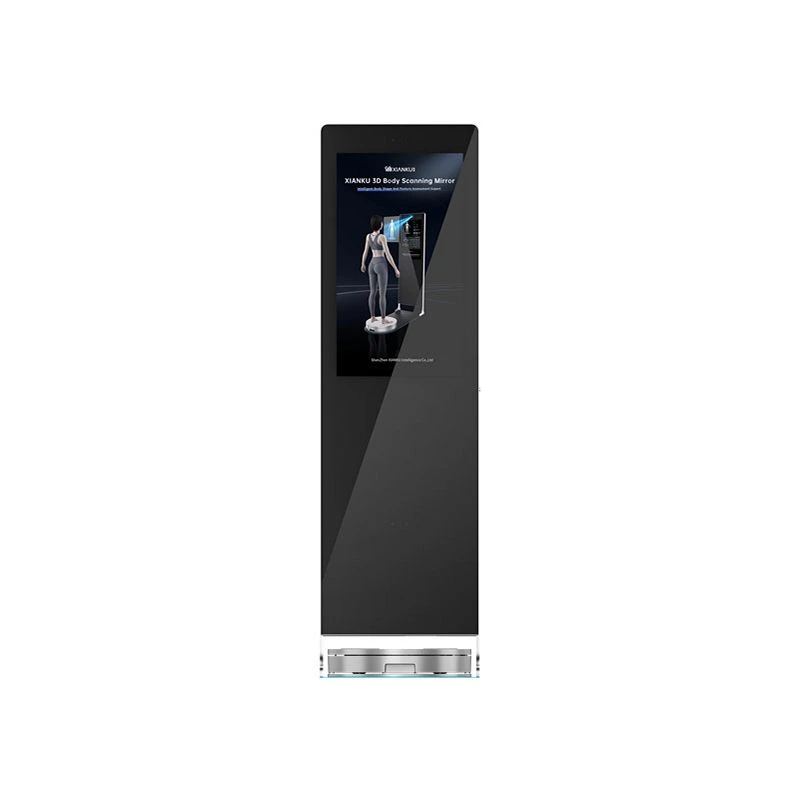
Now, if you're thinking about the broader context of 3D scanning technology, there are also other related products that might be of interest. For example, the 3D Body Scanning Mirror and the 3D Body Scanning Pod. These devices can provide full - body 3D scans, which can be useful in other aspects of healthcare and fitness. They can help in the assessment of body composition, posture analysis, and more.
If you're a healthcare provider, a podiatrist, or an orthotist, and you're interested in incorporating a 3D foot scanner into your practice, it's a great investment. It can improve the quality of care you provide to your patients with diabetic feet. It can also set your practice apart from others by offering the latest and most advanced technology.
If you're a manufacturer of orthotics, a 3D foot scanner can streamline your production process. You can create more accurate and better - fitting orthotics in less time, which can lead to increased customer satisfaction.
So, in conclusion, a 3D foot scanner can definitely be used for people with diabetic feet, and it has a lot of potential benefits. It's a valuable tool in the prevention, detection, and treatment of foot problems associated with diabetes. If you're interested in learning more about our 3D foot scanners or have any questions about how they can be used in the management of diabetic feet, don't hesitate to reach out. We're here to help you make the most of this amazing technology.
References
- American Diabetes Association. (2023). Diabetic Foot Care. Retrieved from the official website of the American Diabetes Association.
- Podiatry Today. (2023). The Role of 3D Scanning in Diabetic Foot Care. Retrieved from Podiatry Today's archives.