

Can a body fat scan be used to determine the need for hormone replacement therapy?
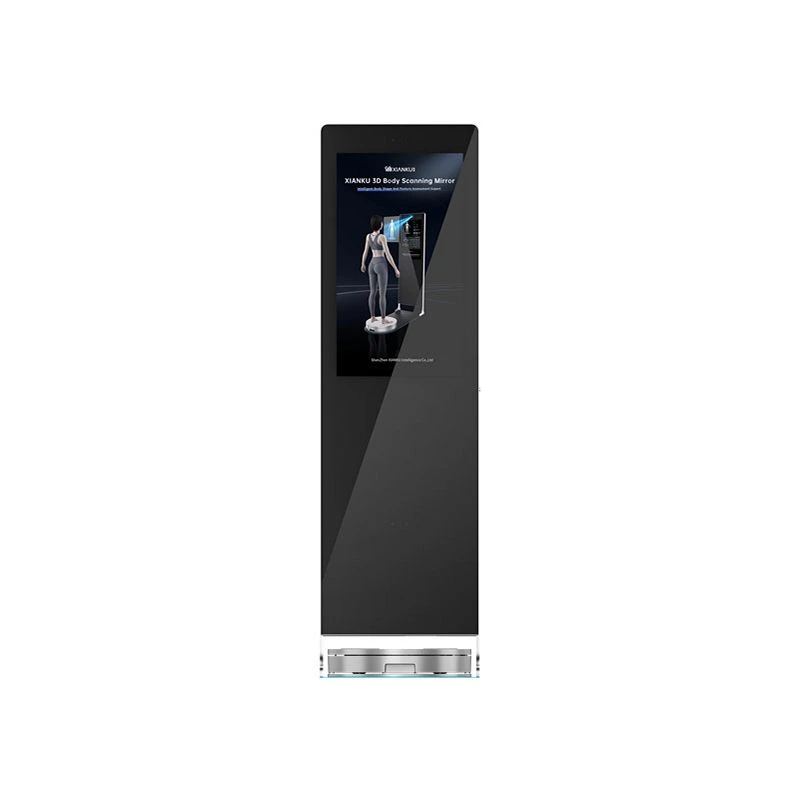
In the realm of modern healthcare and wellness, the quest for accurate diagnostic tools is ever - present. One such area of interest is the potential use of body fat scans to determine the need for hormone replacement therapy (HRT). As a supplier of advanced body fat scanning technologies, including the Xianku 3D Body Scanning Room, Xianku 3D Foot Scanner, and Xianku 3D Body Scanner, I am well - placed to explore this topic in depth.

Hormone replacement therapy is a medical treatment that involves supplementing the body with hormones. It is commonly used to alleviate symptoms associated with hormonal imbalances, such as those that occur during menopause in women or andropause in men. Symptoms can range from hot flashes and night sweats to mood swings, fatigue, and decreased libido. Traditionally, the decision to initiate HRT has been based on a combination of patient symptoms, medical history, and blood tests. However, recent research has started to explore the role of body fat scans in this decision - making process.
Body fat is not just an inert storage of energy; it is an active endocrine organ. Adipose tissue produces a variety of hormones and cytokines, such as leptin, adiponectin, and resistin. These substances play crucial roles in regulating metabolism, inflammation, and energy balance. Hormonal imbalances can lead to changes in body fat distribution and composition. For example, in post - menopausal women, a decrease in estrogen levels is often associated with an increase in abdominal fat. This type of fat, known as visceral fat, is metabolically active and has been linked to a higher risk of cardiovascular disease, diabetes, and other health problems.
A body fat scan can provide detailed information about the amount and distribution of body fat. Advanced 3D body scanning technologies, like the ones we supply, can create a highly accurate three - dimensional model of the body. These scans can measure total body fat percentage, as well as the amount of subcutaneous fat (the fat just beneath the skin) and visceral fat. By analyzing these data, healthcare providers can gain insights into a patient's hormonal status.
Several studies have investigated the relationship between body fat and hormonal levels. For instance, research has shown that higher levels of visceral fat are associated with lower levels of sex hormones in both men and women. In men, increased abdominal fat has been linked to decreased testosterone levels. Testosterone is an important hormone for male health, influencing muscle mass, bone density, and sexual function. In women, the ratio of subcutaneous to visceral fat can change with hormonal fluctuations. During menopause, the shift towards more visceral fat may be a sign of declining estrogen levels.
One of the advantages of using body fat scans to assess the need for HRT is the non - invasive nature of the procedure. Unlike blood tests, which require needle pricks and can be uncomfortable for some patients, body fat scans are painless and quick. They also provide a more comprehensive view of the body's fat distribution compared to traditional methods, such as skinfold calipers or bioelectrical impedance analysis.
However, it is important to note that body fat scans alone cannot be used as the sole determinant for HRT. Hormonal imbalances are complex and can be influenced by multiple factors, including genetics, diet, exercise, and stress. A patient's symptoms and medical history still play a crucial role in the decision - making process. For example, a patient may have a normal body fat distribution but still experience severe menopausal symptoms that warrant HRT. On the other hand, a patient with an abnormal body fat pattern may not necessarily benefit from HRT if their symptoms are mild or can be managed through lifestyle changes.
In addition, the use of body fat scans in the context of HRT requires careful interpretation of the results. Healthcare providers need to be trained to understand the significance of the data obtained from these scans. They also need to consider the patient's overall health goals and risk factors. For example, a patient with a high risk of breast cancer may need to be more cautious when considering HRT, even if their body fat scan shows an abnormal pattern.
Another aspect to consider is the cost - effectiveness of using body fat scans in the HRT decision - making process. While the technology has become more accessible in recent years, it still represents an additional cost compared to traditional methods. However, in the long run, the use of body fat scans may lead to more personalized and effective HRT regimens, potentially reducing the risk of complications and improving patient outcomes.
As a body fat scan supplier, we are committed to providing high - quality, accurate, and reliable scanning technologies. Our 3D body scanners are designed to meet the needs of healthcare providers, fitness professionals, and research institutions. The Xianku 3D Body Scanning Room offers a spacious and comfortable environment for patients, while the Xianku 3D Foot Scanner can provide detailed information about foot fat and structure, which may also be related to overall hormonal and metabolic health. The Xianku 3D Body Scanner is a compact and versatile option that can be easily integrated into existing healthcare settings.
In conclusion, body fat scans have the potential to play a valuable role in determining the need for hormone replacement therapy. They can provide important information about body fat distribution and composition, which is related to hormonal status. However, they should be used in conjunction with other diagnostic methods, such as patient symptoms, medical history, and blood tests. As the field of endocrinology and body composition analysis continues to evolve, we expect that body fat scans will become an increasingly important tool in the personalized management of hormonal imbalances.
If you are interested in learning more about our body fat scanning technologies or discussing how they can be used in the context of hormone replacement therapy, we encourage you to reach out. Our team of experts is ready to assist you in exploring the possibilities and finding the right solution for your needs. Whether you are a healthcare provider looking to enhance your diagnostic capabilities or a research institution conducting studies on body composition and hormones, we are here to support you.
References
- Aroda VR, et al. "Body fat distribution and cardiometabolic risk in postmenopausal women: the Women's Health Initiative." Menopause. 2015.
- Bhasin S, et al. "Testosterone and aging: clinical research directions." J Clin Endocrinol Metab. 2006.
- Kahn SE, Hull RL, Utzschneider KM. "Mechanisms linking obesity to insulin resistance and type 2 diabetes." Nature. 2006.