

Hey there! As a supplier of printable 3D scanners, I often get asked about how to calibrate these nifty devices. Calibration is super important because it ensures that your 3D scanner captures accurate and high-quality data. In this blog post, I'm gonna walk you through the steps to calibrate a printable 3D scanner.
Why Calibration Matters
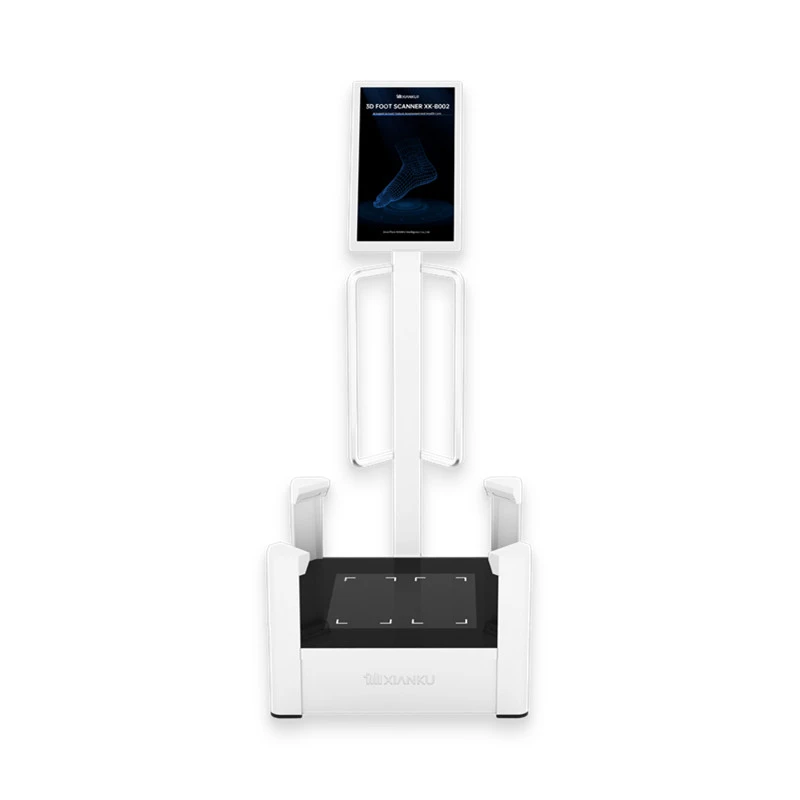
Before we dive into the calibration process, let's talk about why it's so crucial. A well-calibrated 3D scanner will give you precise measurements and detailed scans. This is especially important if you're using the scanner for professional applications like creating 3D Foot Scanner models for custom shoe inserts or 3D Body Scanning Pod for fitness and healthcare purposes. If your scanner isn't calibrated correctly, you might end up with distorted or inaccurate models, which can be a real pain in the neck.

Pre - calibration Checks
First things first, you need to do some pre - calibration checks. Make sure your 3D scanner is clean. Dust and debris can interfere with the scanning process and affect the accuracy of your calibration. Use a soft, dry cloth to gently wipe down the scanner's lenses and sensors.
Next, check the power supply. A stable power source is essential for proper calibration. If your scanner is battery - powered, make sure the batteries are fully charged. If it's plugged into an outlet, check that the connection is secure and there are no power fluctuations.
Also, ensure that the scanner is placed on a stable surface. Any vibrations or movements during calibration can mess up the results. A flat, sturdy table is usually a good choice.
Step 1: Set Up the Calibration Environment
The environment where you calibrate your scanner matters a lot. You want to have a well - lit area, but avoid direct sunlight as it can cause glare and affect the scanner's sensors. A diffused, even light source is ideal. You can use softbox lights or place the scanner in a room with indirect lighting.
Clear the area around the scanner of any objects that could cause interference. This includes removing any reflective surfaces or objects that might cast shadows on the calibration target.
Step 2: Choose the Right Calibration Target
A calibration target is a special object that the scanner uses to determine its accuracy. There are different types of calibration targets available, such as checkerboard patterns or spheres. The choice of target depends on the type of scanner you have.
For most printable 3D scanners, a checkerboard pattern is a popular choice. You can print a high - quality checkerboard pattern on a piece of thick paper or cardboard. Make sure the pattern is clear and the squares are of equal size.
Step 3: Mount the Calibration Target
Once you've chosen your calibration target, you need to mount it properly. Place the target in the center of the scanner's field of view. Make sure it's flat and not warped. If your scanner has a specific mounting mechanism for the calibration target, use it. Otherwise, you can use tape or a clamp to hold the target in place.
Step 4: Run the Calibration Software
Most printable 3D scanners come with their own calibration software. Launch the software on your computer and follow the on - screen instructions. Usually, the software will prompt you to move the scanner around the calibration target or take multiple scans from different angles.
During this process, make sure to move the scanner slowly and steadily. Any sudden movements can lead to inaccurate calibration. The software will analyze the scans of the calibration target and adjust the scanner's settings to ensure accurate measurements.
Step 5: Verify the Calibration
After the calibration process is complete, it's time to verify the results. You can do this by scanning a known object with well - defined dimensions. For example, you can scan a small cube with precise side lengths.
Compare the scanned dimensions of the object with its actual dimensions. If the difference is within an acceptable range (usually a few millimeters), then your scanner is calibrated correctly. If there are significant discrepancies, you may need to repeat the calibration process.
Tips for Successful Calibration
- Take your time: Calibration is not a race. Rushing through the process can lead to inaccurate results. Be patient and follow each step carefully.
- Keep records: It's a good idea to keep a record of your calibration process, including the date, time, and any settings you used. This can be helpful if you need to troubleshoot any issues later on.
- Update your software: Regularly check for software updates for your 3D scanner. Manufacturers often release updates that can improve the calibration process and overall performance of the scanner.
Applications of a Well - calibrated 3D Scanner
A well - calibrated 3D scanner has a wide range of applications. For example, in the healthcare industry, it can be used to create 3D Foot Scanner models for custom orthotics or 3D Body Scanning Pod for body composition analysis.
In the furniture industry, it can be used to create detailed models of furniture pieces for design and manufacturing. And in the consumer market, it can be used to create Healthy 3D Customized Pillow based on an individual's head and neck shape.
Conclusion
Calibrating a printable 3D scanner is not as complicated as it might seem. By following these steps and doing some pre - calibration checks, you can ensure that your scanner is accurate and ready to produce high - quality 3D models.
If you're interested in purchasing a printable 3D scanner or have any questions about calibration or our products, don't hesitate to reach out. We're here to help you get the most out of your 3D scanning experience. Whether you're a professional in a specific industry or a hobbyist looking to explore the world of 3D scanning, our scanners are designed to meet your needs. Contact us today to start a conversation about your requirements and how we can assist you.
References
- 3D Scanning: Principles and Applications. A textbook on the fundamentals of 3D scanning technology.
- Manufacturer's Manual for Printable 3D Scanners. The official documentation provided by the scanner's manufacturer.