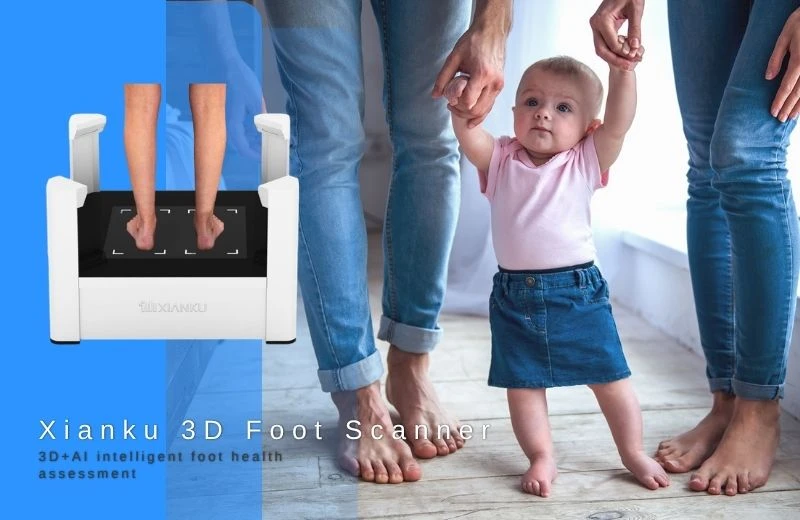
Have you ever noticed that your feet point outward when you walk? Or perhaps your toes naturally point inward?
These walking patterns are commonly described as out-toeing and in-toeing. While they may seem like simple differences in walking style, the direction your feet point can influence how your feet bear weight, how pressure is distributed across the sole, and how forces travel through the lower limbs.
But does walking with your toes pointed inward or outward necessarily mean something is wrong?
Not always.
Gait is influenced by many factors, including foot structure, ankle mobility, leg alignment, hip rotation, muscle strength, and individual movement habits. Understanding these factors is often more useful than simply looking at whether someone's feet point in or out.
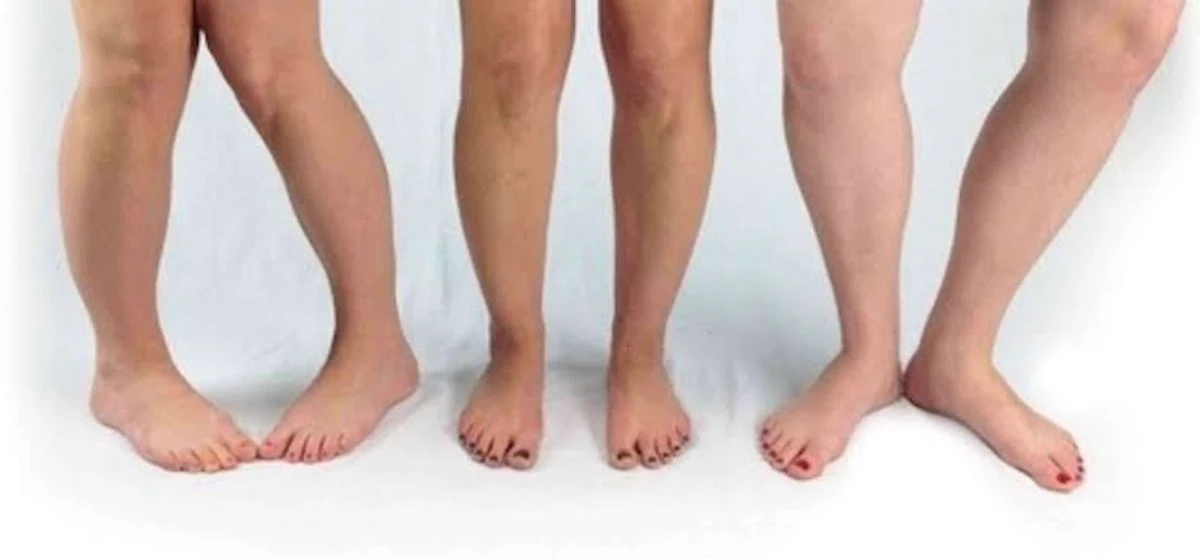
What Is Out-Toeing?
Out-toeing, sometimes called "duck feet," occurs when the toes point outward while walking or standing.
A small degree of outward foot rotation can be completely normal. Some people naturally have a more externally rotated gait because of their skeletal structure, hip rotation, or foot alignment.
However, when out-toeing is pronounced or accompanied by discomfort, it may be worth looking more closely at how the feet and lower limbs are functioning.
How Can Out-Toeing Affect the Feet?
When the feet consistently point outward, the way the foot contacts the ground can change.
Depending on the individual's anatomy and walking pattern, this may affect:
- How weight is transferred from the heel to the forefoot
- Pressure distribution across the sole
- Loading of the medial or lateral side of the foot
- Foot stability during walking
- The way the ankle, knee, and hip work together
In some people, excessive outward rotation may also be associated with altered movement elsewhere in the lower limb.
Importantly, out-toeing itself does not automatically mean there is a foot problem. The key question is whether the walking pattern is associated with abnormal loading, instability, limited function, or discomfort.
What Is In-Toeing?
In-toeing occurs when the toes point inward while walking.
It is sometimes described as "pigeon-toed" walking. In-toeing can have different causes, including differences in hip rotation, the alignment of the lower leg, or the structure and positioning of the foot.
In children, certain forms of in-toeing can be part of normal development. In adults, however, a persistent or newly developed change in walking pattern may deserve further assessment, particularly if it is associated with pain or functional limitations.
How Can In-Toeing Affect the Feet?
An inward-facing gait can change the angle at which the foot contacts the ground.
This may influence:
- Where pressure is concentrated under the foot
- How the arch responds during weight-bearing
- Balance and stability
- The transition from heel strike to toe-off
- Coordination between the foot, ankle, knee, and hip
Again, the important distinction is between a naturally occurring gait pattern and a gait pattern that is creating functional problems.
Your Feet Do Not Work in Isolation
One of the biggest mistakes when looking at gait is focusing only on the position of the toes.
Your foot is part of a connected kinetic chain.
The way you walk can be influenced by the interaction between your:
Foot → Ankle → Knee → Hip → Pelvis
For example, a person whose feet turn outward may not have a problem originating in the feet themselves. Hip rotation, tibial alignment, muscle strength, previous injuries, footwear, or habitual movement patterns may all contribute to the way the foot is positioned during walking.
That is why simply telling someone to "walk with their feet straight" may not address the underlying reason for their gait pattern.
Can Out-Toeing or In-Toeing Cause Foot Pain?
They can contribute to altered loading patterns, but they should not automatically be considered the cause of pain.
Foot discomfort can have many possible causes, including:
- Excessive or uneven plantar pressure
- Poor footwear
- Lack of appropriate arch support
- Overuse
- Limited ankle mobility
- Changes in foot structure
- Previous injury
- Differences between the left and right foot
This is why understanding how the foot interacts with the ground can be more informative than simply observing its direction.
Why Visual Observation Isn't Always Enough
A professional can learn a lot by watching someone walk.
But visual observation has limitations.
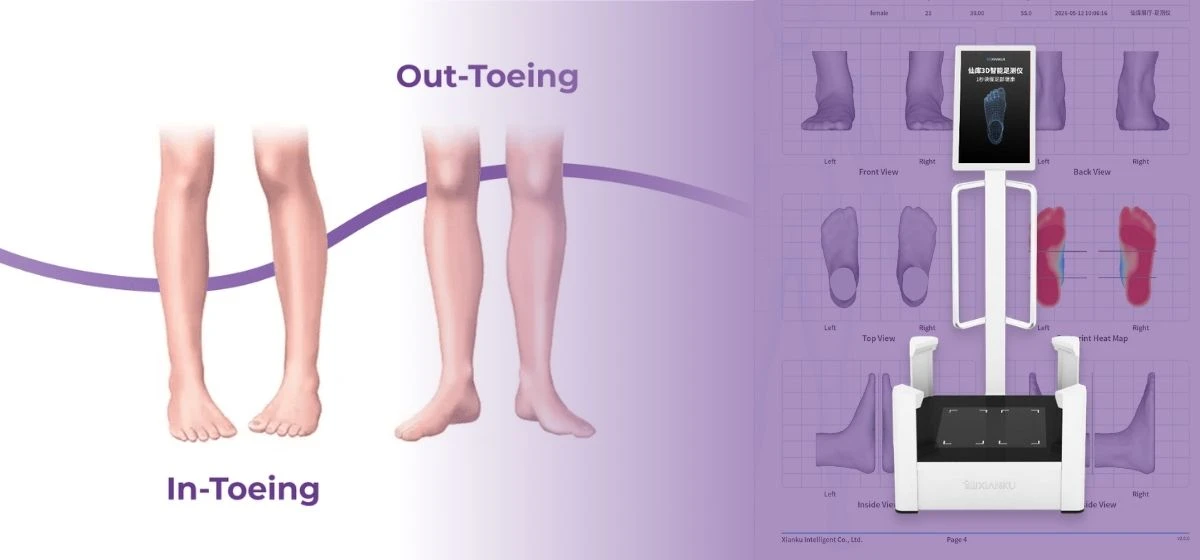
Two people may both appear to have "out-toeing," while their actual foot structures and pressure distributions are completely different.
One person may have relatively balanced loading.
Another may place substantially more pressure on one area of the foot.
Their feet may look similar from the outside, but their underlying measurements may tell a very different story.
This is where digital foot assessment can provide additional information.
How Can a 3D Foot Scanner Help?
A 3D Foot Scanner can capture detailed information about the shape and structure of the foot and turn it into measurable digital data.
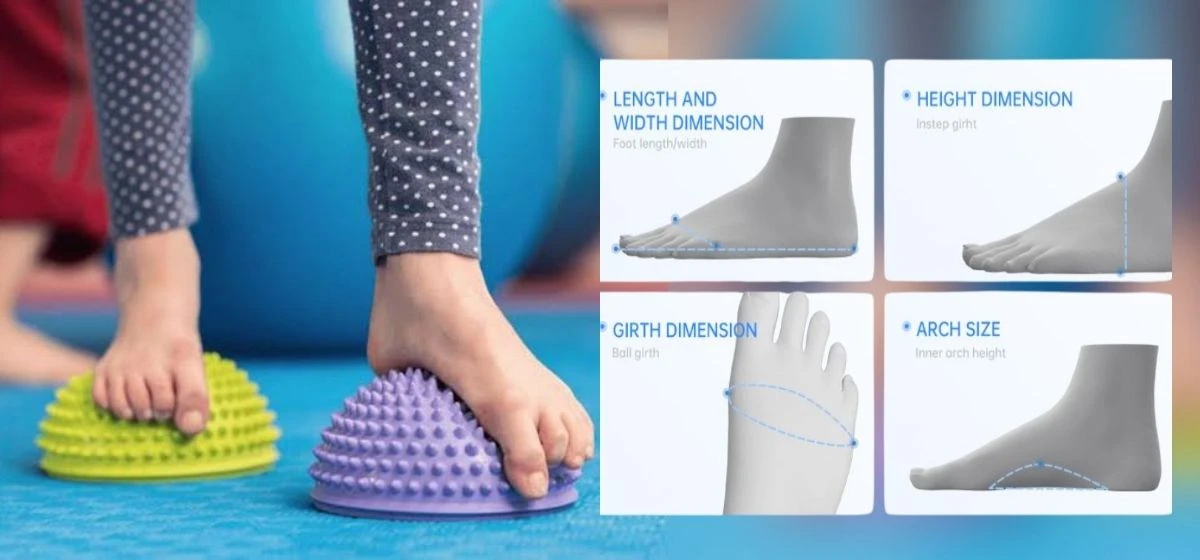
Depending on the scanning system and its capabilities, a foot assessment may provide information such as:
- Foot length and width
- Foot shape
- Arch characteristics
- Heel structure
- Left-right differences
- Weight-bearing characteristics
- Foot pressure distribution when pressure scanning is available
Instead of relying only on the question:
"Do your feet point inward or outward?"
a digital assessment can help answer a more useful question:
"What is happening to your feet when you stand and move?"
That distinction matters.
From Gait Observation to Personalized Foot Support
Once the structure and loading characteristics of a person's feet are better understood, the next step is determining whether their footwear or foot support is appropriate.
This is where 3D scanning and personalized insoles can work together.
A typical workflow can look like:
3D Foot Scan → Digital Foot Assessment → Personalized Design → 3D Printed Custom Insoles
Instead of providing the same insole design to every customer, a digital workflow can help create support based on the individual's foot characteristics.
What Are 3D Printed Custom Insoles?
3D Printed Custom Insoles are digitally designed based on individual foot measurements and can be customized according to the intended application and assessment results.
Potential advantages of a digital customization workflow include:
- Personalized fit
- Consistent digital data
- Repeatable manufacturing
- Easy storage of customer measurements
- More individualized support than generic, one-size-fits-all products
For footwear retailers, foot clinics, sports facilities, and other foot-health businesses, this can turn a basic foot measurement into a more complete customer experience.
Don't Try to "Fix" Your Gait by Yourself
Seeing your feet point inward or outward does not necessarily mean you need to force them into a perfectly straight position.
Gait is complex.
If an unusual walking pattern is accompanied by persistent pain, significant asymmetry, weakness, instability, or a noticeable change in walking ability, professional evaluation is appropriate.
A foot scanner can provide useful measurement and visualization data, but it is an assessment tool, not a replacement for diagnosis by a qualified healthcare professional.
The Bottom Line
Out-toeing and in-toeing are more than just questions of appearance.
The direction your feet point can be associated with differences in how your feet contact the ground and how forces move through the lower limbs.
However, not every inward- or outward-facing gait is abnormal, and the same walking pattern can have different underlying causes in different people.
The better approach is not simply to ask:
"Are my feet pointing the right way?"
Instead, ask:
"How are my feet actually functioning when I stand and walk?"
With digital foot scanning, businesses and professionals can move beyond visual observation and gain measurable information about individual foot structure and loading characteristics.
And when appropriate, that information can become the foundation for 3D Printed Custom Insoles designed around the individual rather than the average foot.
Because better foot support starts with better understanding of the feet.