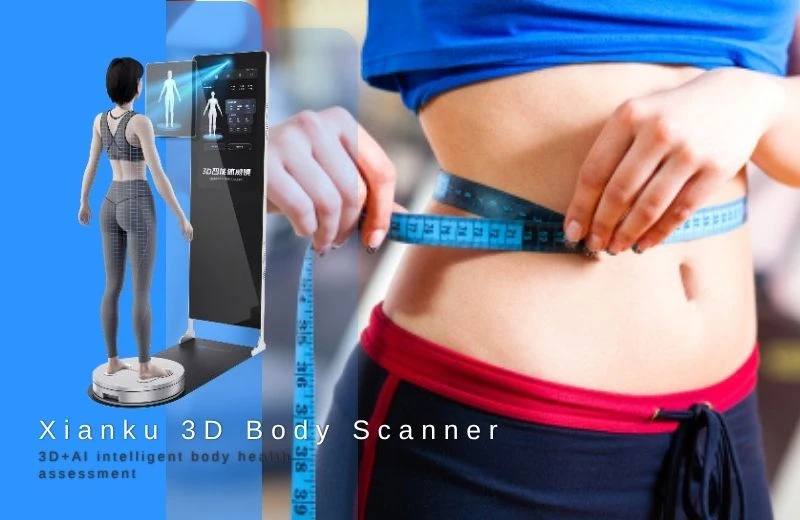
Why Weight Alone Is Not Enough to Measure Fitness Progress
The scale measures total body mass. It does not directly show where that mass comes from or how it is distributed.
Consider two clients who both weigh 70 kg.
One may have relatively high muscle mass and lower body fat. Another may have less muscle and a higher proportion of body fat.
Their weight is identical, but their body shapes can be completely different.
The same problem occurs during a fitness transformation.
A client might:
- Build muscle while losing fat
- Reduce waist circumference
- Increase hip or thigh muscle development
- Improve shoulder alignment
- Change body proportions
- Develop a more defined physique
As a result, body measurements and shape can change significantly even when body weight changes very little.
This is particularly important for VIP clients, because they expect personalized coaching and measurable results.

What Should Personal Trainers Measure Besides Weight?
A more complete progress assessment can include several dimensions of change.
1. Body Circumference
Measurements such as waist, hip, chest, arm, and thigh circumference can help reveal changes that the scale misses.
For example, a client could maintain a similar body weight while experiencing a noticeable reduction in waist circumference.
That is a meaningful result - but it may be invisible on a traditional scale.
2. Body Proportions
Body shape is not determined by one measurement.
Changes in the relationship between different body areas can make a significant difference to how a person's physique looks.
A 3D body model allows trainers and clients to compare overall proportions rather than focusing on a single number.
3. Posture and Alignment
Training can also influence how a client stands and moves.
Changes in shoulder position, pelvic alignment, or overall posture may become part of the client's transformation journey.
A 3D scanning system can provide visual references that make these changes easier to communicate.
4. Overall Body Shape
Sometimes the most obvious transformation is simply the silhouette.
The client may look leaner, more athletic, or more proportionate even though their weight has barely changed.
A digital 3D model can make this type of progress much easier to visualize.
How Can a 3D Body Scanner Help Fitness Businesses?
A 3D Body Scanner captures the client's body shape and converts the scan into digital data.
Instead of relying entirely on manual measurements and photographs, trainers can use a standardized scanning process to create a more comprehensive record of the client's physical condition.
With repeated scans, fitness professionals can compare changes over time.
For example:
Initial Scan → Training Program → Follow-Up Scan → Progress Comparison
This creates a measurable feedback loop for personal training.
Instead of telling a client:
"You look like you're making progress."
A trainer can show them:
"Let's compare your current scan with your first scan."
That difference can be much more powerful.
Why This Matters Even More for VIP Fitness Clients
VIP clients are not simply paying for access to equipment.
They are paying for personalized service, professional guidance, measurable progress, and an experience that feels different from a standard gym membership.
A 3D body scanning system can support that premium experience in several ways.
Personalized Assessments
A scan can provide a detailed starting point before a personal training program begins.
Trainers can use the data to establish baseline measurements and identify areas they want to monitor throughout the program.
More Meaningful Progress Reviews
Instead of reviewing progress only through body weight, trainers can present changes in body measurements and 3D body shape.
This can make monthly or quarterly progress reviews more engaging.
Stronger Client Motivation
One of the biggest challenges in fitness is maintaining motivation.
When progress is slow on the scale, clients can become frustrated.
Visualizing changes in their body shape can help them recognize progress that they might otherwise overlook.
A More Premium Client Experience
For high-end gyms and personal training studios, technology can become part of the service itself.
A body scan can transform a traditional fitness assessment into a more modern, data-driven experience.
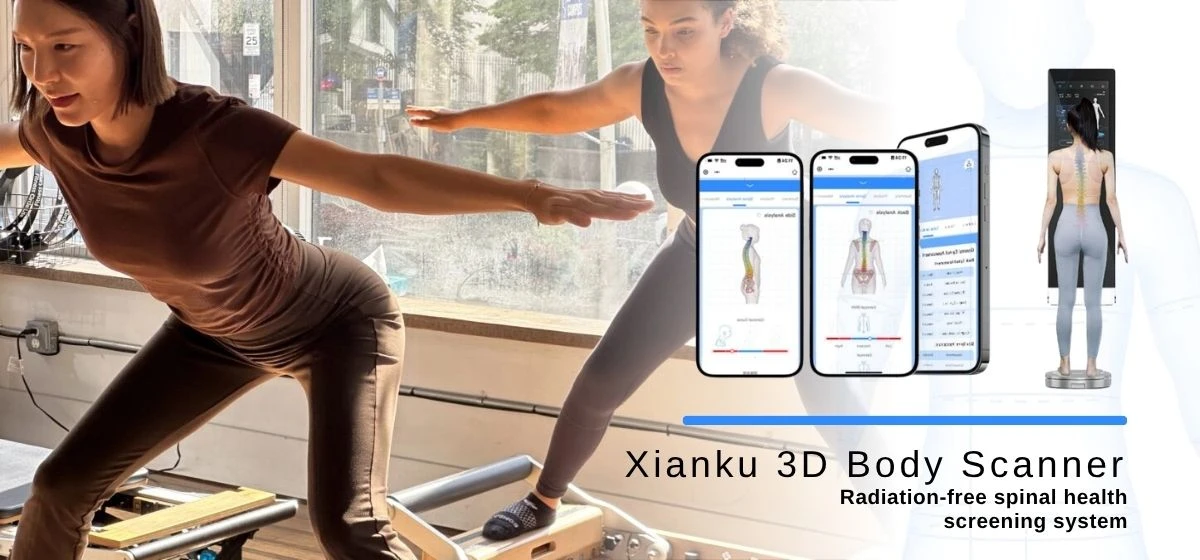
3D Body Scanning vs. Traditional Progress Tracking
Traditional fitness assessments often rely on:
- Body weight
- Measuring tape
- Progress photos
- Manual measurements
- Client self-perception
These methods can still be useful.
However, they can be time-consuming, difficult to standardize, or limited in how much of the body's overall shape they capture.
A 3D body scanner adds another layer of information by creating a digital representation of the client's body.
| Progress Method | What It Shows | Main Limitation |
|---|---|---|
| Body weight | Total mass | Does not show body shape |
| Measuring tape | Selected circumferences | Limited measurement points |
| Progress photos | Visual appearance | Difficult to standardize |
| 3D Body Scanner | Body shape and measurements | Requires scanning equipment |
The goal is not necessarily to replace every traditional method.
Instead, 3D scanning can complement existing fitness assessments and provide a more complete view of client progress.
How Fitness Clubs Can Build 3D Scanning Into Their VIP Programs
A fitness business does not have to use the scanner only once.
It can become part of the entire client journey.
Step 1: Initial Body Scan
Perform a 3D scan when the client starts their personal training program.
This establishes a digital baseline.
Step 2: Set Training Goals
Combine the scan results with the client's goals.
For example:
- Reduce waist circumference
- Improve body proportions
- Build muscle
- Improve posture
- Track overall body shape
Step 3: Schedule Follow-Up Scans
Repeat the scan at consistent intervals, such as every 4–8 weeks depending on the training program.
Step 4: Compare Results
Show the client how their measurements and body shape have changed.
Step 5: Use the Results to Adjust Training
The data can become part of the conversation between trainer and client when reviewing the next stage of the program.
This turns body scanning from a one-time assessment into a continuous progress-tracking tool.
The Business Opportunity: Make Progress Visible
For fitness businesses, the value of 3D body scanning is not only technical.
It can also improve the client experience.
A VIP client who can clearly see their progress has a stronger reason to continue training.
The scan can also create opportunities for:
- Premium fitness assessments
- Personalized training packages
- Progress review sessions
- Body transformation programs
- Long-term membership retention
- Data-driven coaching services
Instead of selling only training sessions, a fitness business can build a more measurable and personalized transformation experience.
Frequently Asked Questions
-
Can a client lose body fat without losing much weight?
Yes. Changes in body composition can occur without large changes in total body weight. For example, a person may gain muscle while losing fat, resulting in relatively little change on the scale.
-
Why can body measurements change when weight stays the same?
Different tissues and changes in body composition can affect body shape and circumference independently of total body weight. Training can also change muscle development and body proportions.
-
Can a 3D body scanner track fitness progress?
Yes. When scans are performed consistently, a 3D body scanner can help track changes in body measurements, body shape, and other scan-derived metrics over time.
-
How often should fitness clients be scanned?
There is no universal interval. Many fitness businesses may choose to repeat scans every several weeks or at major program milestones, depending on the client's goals and training plan.
-
Is 3D body scanning useful for personal training?
Yes. It can provide trainers with a standardized way to document a client's baseline and visualize changes throughout a personal training program.
Final Takeaway
Your client's weight is only one part of their transformation story.
A person can become stronger, leaner, more muscular, and more proportionate without seeing a dramatic change on the scale.
For VIP fitness clients, the ability to see and measure those changes can make the training experience more valuable.
A 3D Body Scanner gives fitness businesses a way to move beyond the traditional question:
"How much weight did you lose?"
And start asking a better question:
"How has your body changed?"
For personal training studios, premium gyms, and fitness centers looking to deliver a more personalized, measurable client experience, 3D body scanning can become a powerful addition to the fitness assessment and progress-tracking process.