

Scoliosis assessment is a critical process in identifying and managing a spinal condition that affects millions globally, particularly adolescents during growth spurts. This comprehensive guide explores what scoliosis is, its potential impacts, current evaluation methods, and the evolving landscape of spinal health management.
What Is Scoliosis?
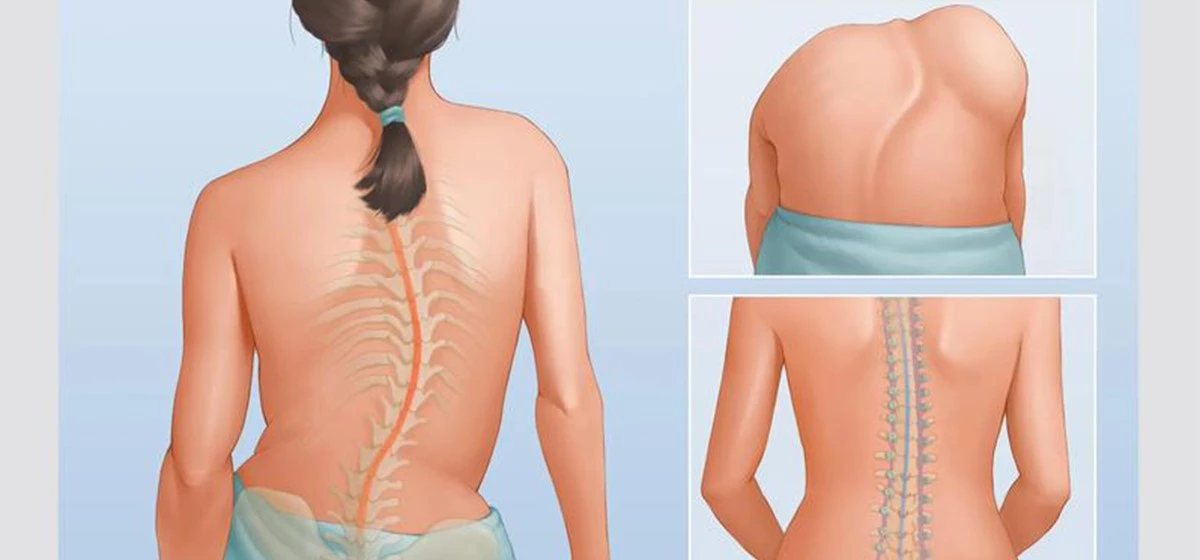
Scoliosis is a three-dimensional spinal deformity characterized by a lateral curvature of the spine combined with vertebral rotation. According to the Scoliosis Research Society, the condition is formally defined by a Cobb angle measurement exceeding 10 degrees on standing anterior-posterior radiographs.
The spine, which should appear straight from behind, develops an abnormal "C" or "S" shaped curve in individuals with scoliosis. This condition most commonly emerges during adolescence, with peak incidence occurring between ages 10 and 16. While girls and boys develop mild scoliosis at similar rates, females face a significantly higher risk of curve progression requiring treatment.
Table 1: Classification of Scoliosis Types
| Type | Characteristics | Progression Risk |
|---|---|---|
| Idiopathic (Cause unknown) | Most common type (approximately 80% of cases); categorized by age of onset: Infantile (0-3 years), Juvenile (4-10 years), Adolescent (10+ years) | Variable; adolescent type has highest progression potential during growth spurts |
| Congenital | Present at birth due to vertebral formation abnormalities | Often progressive, requiring early intervention |
| Neuromuscular | Associated with conditions like cerebral palsy, muscular dystrophy, or spinal cord abnormalities | Typically progressive with underlying condition |
| Degenerative | Develops in adulthood due to spinal degeneration | Slowly progressive with aging |
Potential Complications and Health Impacts
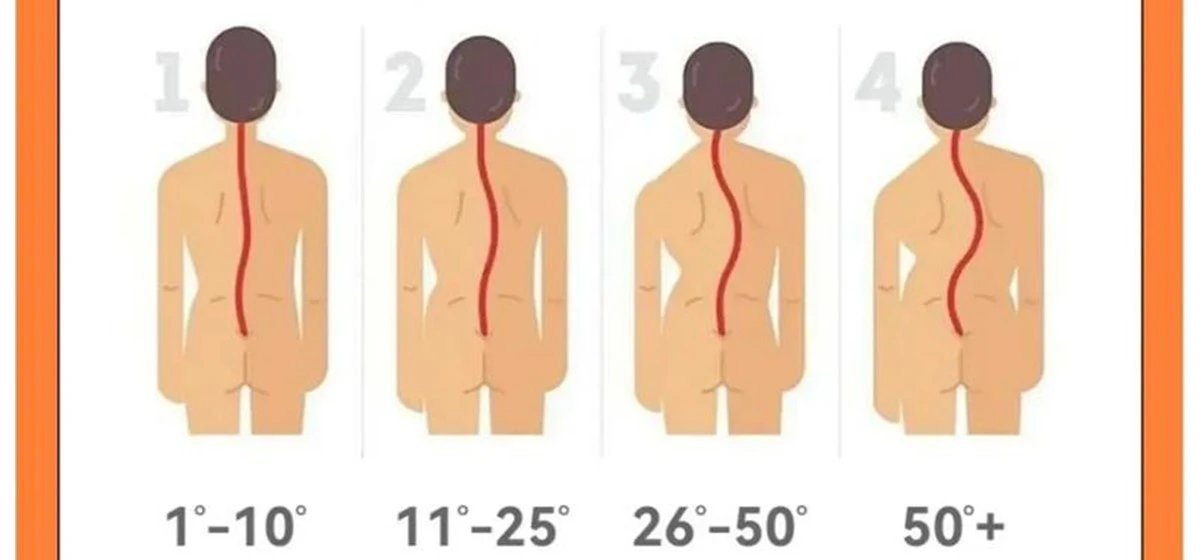
While many cases remain mild, untreated progressive scoliosis can lead to significant complications:
- Physical Changes: Visible asymmetry including uneven shoulders, protruding shoulder blades, uneven waistline, and elevated hips. Severe cases may cause noticeable rib humps and torso shifting.
- Cardiopulmonary Issues: In severe curvatures, the spine may compress the lungs, restricting breathing capacity and potentially affecting heart function.
- Chronic Pain: Adults with untreated adolescent scoliosis experience higher rates of chronic back pain compared to the general population.
- Psychological Impact: Visible deformities can contribute to body image issues, social anxiety, and reduced self-esteem, particularly during adolescence.
- Functional Limitations: Reduced spinal mobility and potential nerve compression in advanced cases.
Standard Scoliosis Assessment in Clinical Settings
A thorough scoliosis assessment typically follows a structured approach:
1. Initial Clinical Evaluation
Healthcare providers begin with visual inspection, checking for shoulder asymmetry, uneven hip alignment, and spinal deviation from midline. The Adams Forward Bend Test is commonly employed, where the patient bends forward at the waist while the examiner looks for asymmetrical rib or lumbar prominence.
2. Radiographic Assessment
When clinical findings suggest scoliosis, radiographic evaluation becomes essential:
- Full-spine X-rays: Standing anterior-posterior and lateral views allow precise measurement of the Cobb angle, the gold standard for quantifying curvature severity.
- Additional imaging: In complex cases, CT scans with 3D reconstruction may visualize bony abnormalities, while MRI can assess spinal cord and soft tissue structures.
3. Monitoring Progression
For growing children with mild to moderate curves, regular monitoring through periodic clinical and radiographic scoliosis assessment is standard to detect progression.
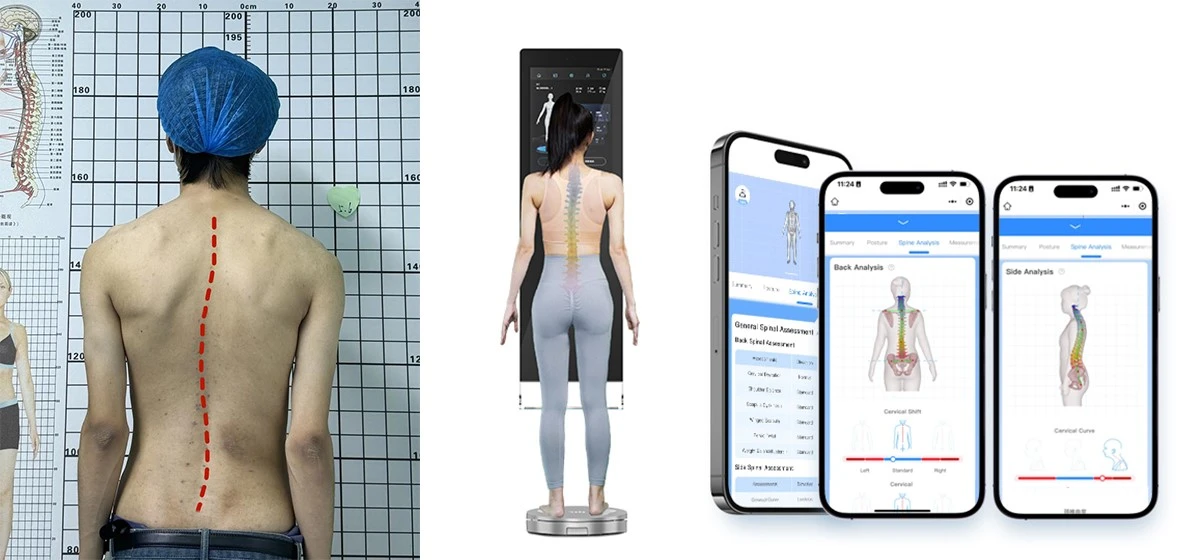
Table 2: Standard Scoliosis Assessment Protocol
| Assessment Component | Purpose | Frequency/Indication |
|---|---|---|
| Visual Inspection | Identify postural asymmetries | Initial screening and follow-up visits |
| Adams Forward Bend Test | Detect rotational deformity | Standard part of physical exam |
| Scoliometer Measurement | Quantify torso rotation (ATR) | Screening and monitoring; ATR ≥7° suggests need for X-ray |
| Full-spine Radiographs | Measure Cobb angle, assess skeletal maturity | Diagnosis and monitoring (typically every 6-12 months for growing children) |
| Neurological Examination | Evaluate nerve function | Standard part of comprehensive assessment |
Large-Scale Screening Initiatives and Their Limitations
Many regions have implemented school-based screening programs to identify scoliosis early. These programs typically involve trained personnel performing visual inspections and forward bend tests on groups of children.
While such initiatives have successfully identified many cases requiring intervention, they face several challenges:
- High False-Positive Rates: Screening methods like the forward bend test and trunk rotation measurements (ATR) can yield false positives, causing unnecessary anxiety and further medical evaluations.
- Variable Sensitivity: The effectiveness of school screening programs varies considerably, with some studies questioning their cost-effectiveness and accuracy.
- Resource Limitations: Widespread radiographic screening isn't feasible due to radiation exposure concerns, cost, and resource constraints.
- Follow-up Barriers: Even when screening identifies potential cases, not all families pursue recommended medical follow-up.
- These limitations highlight the need for improved screening methodologies with better specificity and reduced reliance on radiation-based diagnostics.
Beyond Traditional Assessment: The Role of Supportive Industries
The growing awareness of spinal health has prompted innovation beyond clinical settings. Several leading mattress and sleep product companies have developed offerings that acknowledge the importance of spinal alignment, though their approaches vary significantly:
Table 3: Sleep Industry Approaches to Spinal Support
| Brand | Product Differentiation | Service Differentiation |
|---|---|---|
| Tempur-Pedic | Proprietary pressure-relieving materials that contour to body shape; segmented support systems | Sleep tracking technology with personalized recommendations; in-store diagnostic tools for some retailers |
| Sleep Number | Adjustable air chambers allowing individualized firmness on each side of bed | SleepIQ technology tracking sleep patterns; integration with health apps; personalized coaching |
| Hästens | Natural material composition with zoned support systems; customizable layering | In-depth consultation process; customization based on sleeping position and preferences |
| Emerging Tech-Integrated Solutions | Integration of sensor technology for sleep posture monitoring | Data-driven recommendations; potential linkage to scoliosis assessment data for customized sleep solutions |
While these innovations represent important advancements in sleep ergonomics, they typically lack direct integration with clinical scoliosis assessment data, representing a significant opportunity for future development in personalized spinal health management.
The Future of Scoliosis Assessment
Technological advances promise to transform scoliosis assessment through:
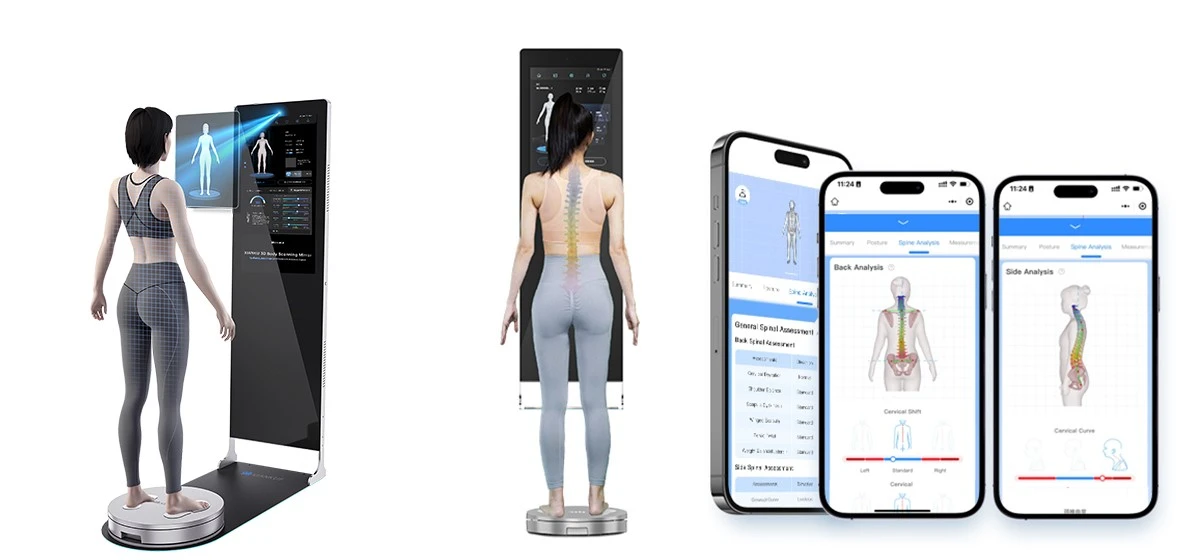
- Enhanced Surface Topography: Non-radiation 3D imaging systems that map back surface contours with increasing accuracy.
- Artificial Intelligence Applications: Machine learning algorithms that can analyze photographs or surface scans to identify postural asymmetries suggestive of scoliosis.
- Wearable Monitoring: Sensor technologies that track postural habits and spinal alignment during daily activities.
- Integrated Health Ecosystems: Platforms that connect clinical assessment data with ergonomic recommendations for furniture, workstations, and sleep systems.
These developments aim to create more accessible, frequent, and radiation-free monitoring options while potentially improving early detection and personalized intervention strategies.
Conclusion
A comprehensive scoliosis assessment remains fundamental to effective management of this common spinal condition. While current screening methods have limitations, ongoing technological advancements promise more accessible and accurate assessment tools. The integration of spinal health awareness across multiple industries-from clinical practice to sleep ergonomics-reflects growing recognition of posture's role in overall wellbeing. For individuals with scoliosis, regular professional assessment combined with informed lifestyle and environmental adaptations offers the best approach to maintaining spinal health and quality of life.
