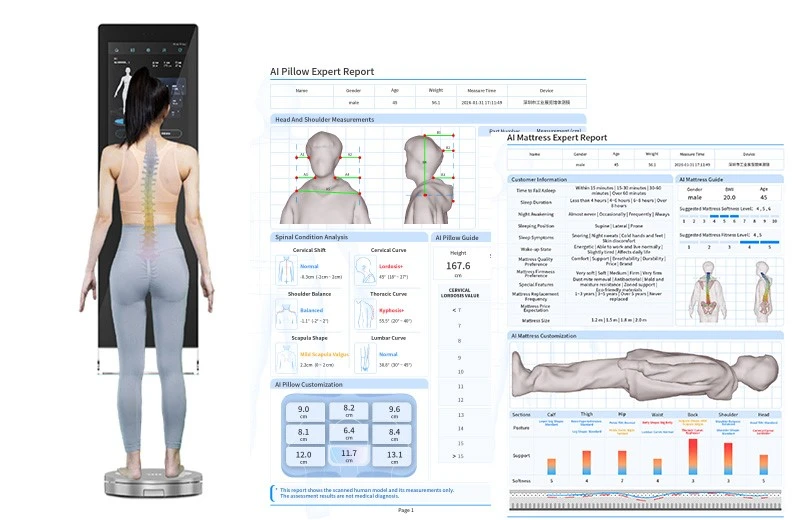
The Future of AI-Powered Smart Mattresses is no longer a concept reserved for tech expos or innovation labs. In the U.S. bedding market, artificial intelligence has moved from experimentation to real-world deployment-impacting product engineering, manufacturing efficiency, retail marketing, and customer retention.
For bedding operators, manufacturers, and specialty sleep retailers, understanding the Future of AI-Powered Smart Mattresses is now a strategic necessity. The question is no longer whether AI will shape the industry-but how quickly your brand can integrate it profitably.
This article examines brands that have applied AI-driven capabilities in product development, production, and customer engagement. We will break down their technical foundations, pricing structures, customer feedback, and brand impact-while identifying practical opportunities for business leaders evaluating the Future of AI-Powered Smart Mattresses.
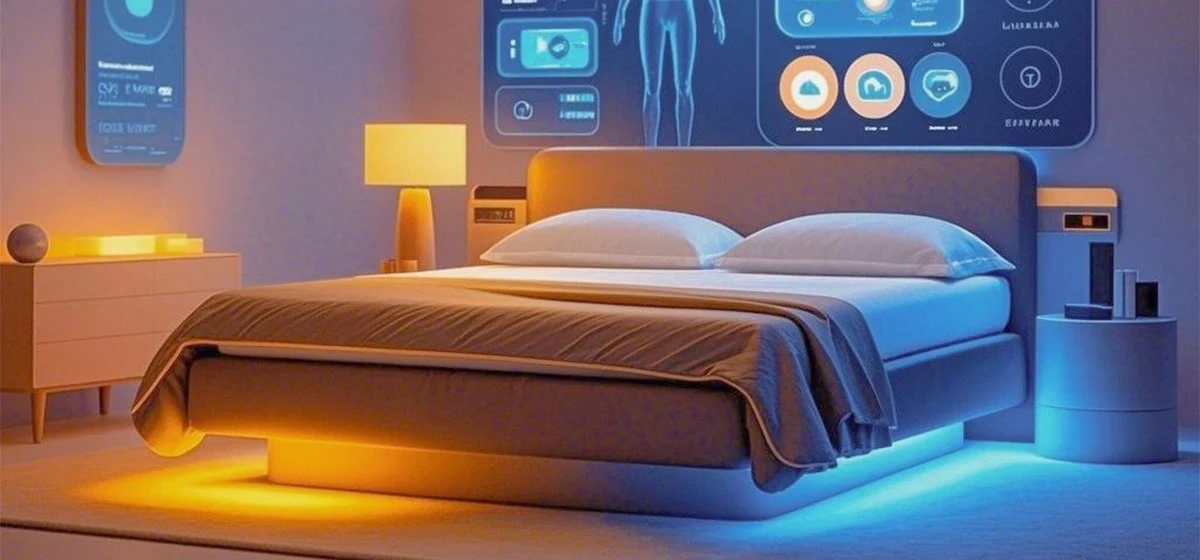
1. Sleep Number: Data-Driven Sleep Personalization at Scale
Sleep Number remains the most established large-scale example of AI integration in the U.S. mattress industry.
Technical Foundation
Sleep Number's 360® Smart Bed integrates:
- Dual adjustable air chambers
- Embedded biometric sensors
- SleepIQ® data analytics platform
- Cloud-based machine learning adjustments
The system tracks heart rate, respiratory rate, movement, and pressure distribution. AI algorithms adjust firmness in real time.
Product Features
- Automatic firmness adaptation
- Snore detection and head elevation
- Climate balancing
- App-based personalization
Pricing
Most models range from $1,999 to $5,499, depending on configuration.
Customer Feedback
Consumers praise personalization and back pain relief. Common criticisms include high price points and subscription-style ecosystem dependence.
Brand Impact
Sleep Number's integration of biometric data positions it strongly within the Future of AI-Powered Smart Mattresses, reinforcing its premium tech-driven identity.
2. Eight Sleep: Performance-Focused AI Sleep Optimization
Eight Sleep has built its brand around biohacking and recovery optimization.
Technical Foundation
- Dynamic temperature regulation
- AI-powered sleep staging analysis
- Predictive climate adjustment
- Autopilot sleep algorithms
The system collects overnight data and adjusts temperature proactively to improve sleep cycles.
Product Features
- Water-based thermal grid
- Dual-zone cooling/heating
- Sleep performance score
- Integrations with fitness ecosystems
Pricing
Pod systems typically range from $2,495 to $4,695 with optional membership services.
Customer Feedback
Strong adoption among athletes and tech-savvy consumers. Criticism centers on subscription dependency and system complexity.
Brand Influence
Eight Sleep demonstrates how the Future of AI-Powered Smart Mattresses intersects with wellness technology and performance branding.
3. Tempur-Pedic (Tempur-Ergo Smart Base + Sleeptracker-AI)
Tempur-Pedic approaches AI as an enhancement-not a replacement-of material science.
Technical Foundation
Non-wearable biometric sensors
AI-powered sleep tracking (Sleeptracker-AI®)
Snore detection auto-response
Product Features
Automatic snore elevation
Personalized sleep analytics
Compatible with Tempur-Pedic mattresses
Pricing
Smart base upgrades add $1,799 to $2,999 to mattress costs.
Customer Feedback
Users appreciate integration without intrusive hardware. However, the system lacks dynamic firmness modulation.
Brand Effect
Tempur-Pedic blends traditional material expertise with the Future of AI-Powered Smart Mattresses, protecting its premium brand authority.
4. ReST (Responsive Surface Technology)
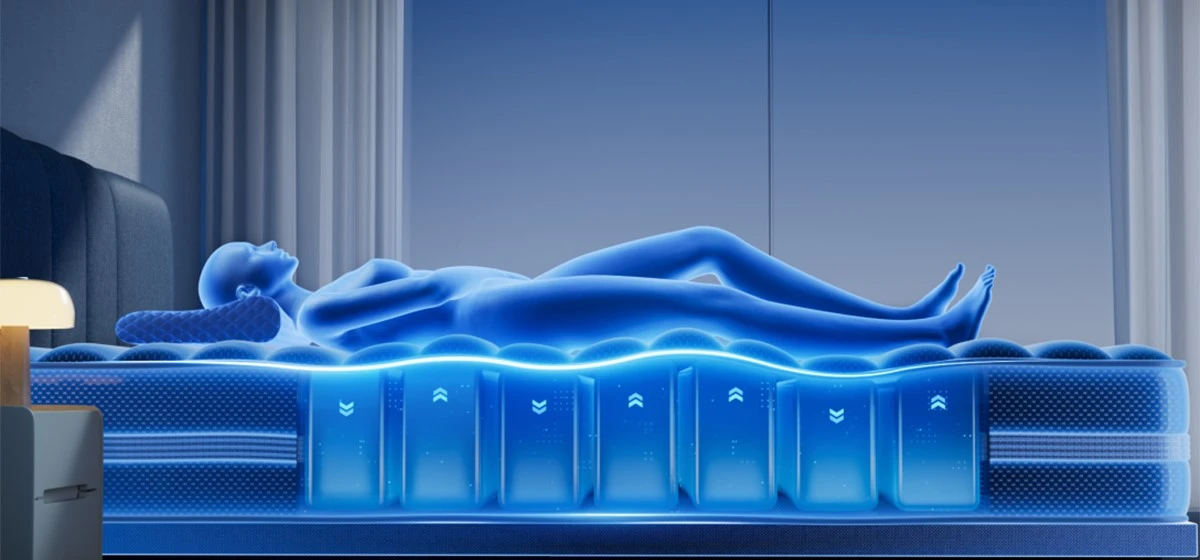
ReST focuses on granular pressure mapping.
Technical Foundation
- 64+ pressure sensors
- Zoned air chambers
- Real-time AI pressure optimization
Product Features
- Independent firmness zones
- Auto-adjust based on position
- Pressure mapping visualization
Pricing
Typically priced between $4,000 and $7,000.
Customer Feedback
Praised for back pain management. Adoption remains niche due to premium cost.
Market Position
ReST represents a clinical application of the Future of AI-Powered Smart Mattresses, appealing to medical and therapeutic segments.
5. Bryte (Luxury Hospitality AI Sleep Systems)
Bryte operates in high-end residential and hospitality sectors.
Technical Foundation
- Embedded motion sensors
- Adaptive support modules
- AI-driven sleep adjustment cycles
Product Features
- Real-time pressure relief
- Luxury hospitality integration
- Continuous adaptation overnight
Pricing
Retail prices range from $3,500 to $8,000+.
Brand Impact
Bryte's hotel partnerships enhance credibility and reinforce the aspirational dimension of the Future of AI-Powered Smart Mattresses.

Comparative Overview of AI Integration
| Brand | AI Application Focus | Core Technology | Price Range | Target Segment |
|---|---|---|---|---|
| Sleep Number | Biometric + firmness automation | Air chambers + ML | $1,999–$5,499 | Mass premium |
| Eight Sleep | Climate + performance | Thermal grid + AI | $2,495–$4,695 | Wellness/athletes |
| Tempur-Pedic | AI tracking add-on | Smart base sensors | +$1,799–$2,999 | Traditional premium |
| ReST | Pressure mapping therapy | Zoned air + sensors | $4,000–$7,000 | Clinical niche |
| Bryte | Luxury adaptive comfort | Motion modules | $3,500–$8,000+ | Hospitality/luxury |
AI in Manufacturing and Operations
| Application Area | AI Function | Operational Benefit |
|---|---|---|
| Demand Forecasting | Predictive analytics | Inventory optimization |
| Foam & Material QC | Computer vision inspection | Reduced defects |
| Supply Chain | AI demand modeling | Lower carrying costs |
| Retail Marketing | Behavioral data personalization | Higher conversion rates |
Customer Perception & Brand Effect
| Factor | Observed Trend |
|---|---|
| Willingness to Pay | Higher among tech-forward consumers |
| Trust in AI | Increasing with transparency |
| Repeat Purchases | Stronger in data ecosystem models |
| Brand Loyalty | Enhanced when AI improves health outcomes |
Strategic Opportunities for Bedding Operators
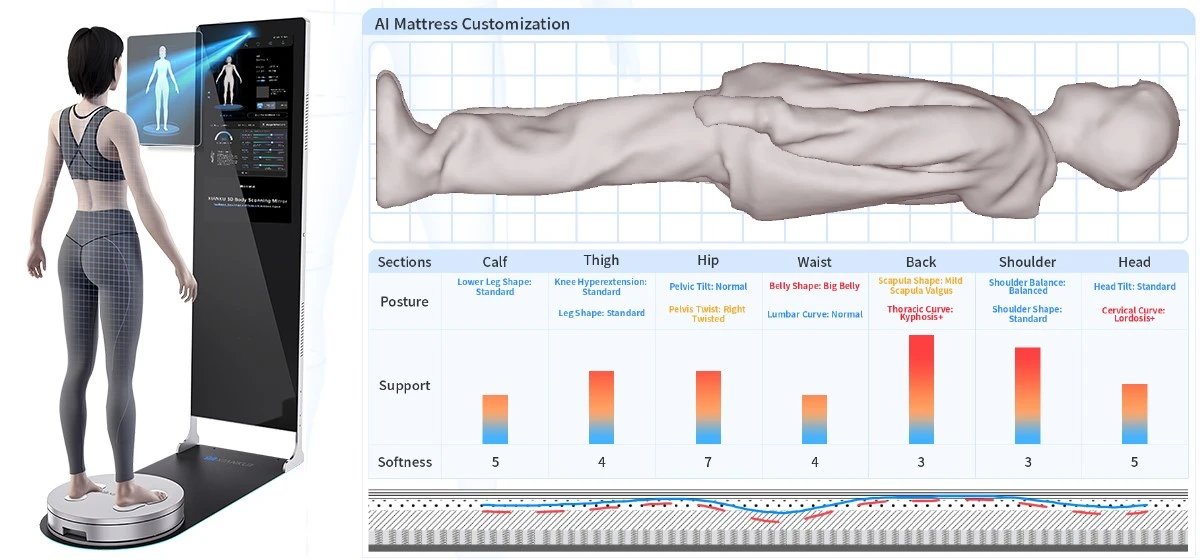
The Future of AI-Powered Smart Mattresses is reshaping how value is defined in the sleep market. It shifts competition away from foam density and coil count toward measurable outcomes: spinal alignment, sleep recovery metrics, and adaptive comfort.
For operators, three opportunity layers stand out:
- Product Layer – Integrate sensor-ready designs and modular smart components.
- Service Layer – Offer sleep diagnostics and personalization consultations.
- Data Layer – Build recurring engagement models through sleep analytics platforms.
The brands examined above illustrate different pathways into the Future of AI-Powered Smart Mattresses. Some focus on biometric tracking; others prioritize climate control or adaptive firmness. What unites them is a shift from static product selling to dynamic sleep ecosystems.
Final Thoughts
The Future of AI-Powered Smart Mattresses is not about replacing traditional craftsmanship-it is about augmenting it with intelligence. For bedding executives, the competitive frontier lies in translating AI from marketing buzzword into operational efficiency, measurable sleep improvement, and long-term customer retention.
Those who embrace the Future of AI-Powered Smart Mattresses thoughtfully-balancing technology, comfort, and brand trust-will not only command premium pricing but redefine the next generation of sleep commerce.