

For decades, the sleep industry has operated on a one‑size‑fits‑all assumption. Walk into any bedding retailer, and you will find pillows neatly arranged by "soft," "medium," or "firm"-as if human anatomy were that simple. But the reality is far more complex. Neck curvature, shoulder width, sleeping position, and spinal alignment vary dramatically from person to person. A pillow that provides perfect support for one individual can leave another waking up with stiffness, headaches, or chronic neck pain.
Today, additive manufacturing-commonly known as 3D printing-is dismantling this outdated model. By integrating 3D body scanning, artificial intelligence, and precision 3D printing, the sleep industry is finally able to deliver what consumers have always wanted: a pillow truly tailored to their unique body.
This article explores how 3D printing technology is being applied to healthy sleep, why it matters for bedding retailers, and what it means for the additive manufacturing community.

The Limitations of Traditional Pillow Manufacturing
Traditional pillow production relies on mass manufacturing. Molds are created, materials are cut, and thousands of identical products roll off the production line. Retailers then categorize these pillows into broad categories-memory foam, latex, down-and hope consumers find one that "feels right."
This approach suffers from three fundamental problems:
- Inaccurate Fit – No two bodies are alike. A pillow designed for an "average" body shape fits almost no one perfectly.
- High Return Rates – In the bedding industry, returns are notoriously high. Consumers buy pillows based on packaging claims, only to find they do not deliver proper support at home.
- Missed Clinical Value – For individuals with cervical spine issues, postural imbalances, or chronic pain, a generic pillow can worsen symptoms rather than alleviate them.
These challenges create an opportunity for innovation-and 3D printing is stepping in to fill the gap.
How 3D Printing Enables True Customization
The shift from mass production to mass customization is made possible by combining three core technologies:
1. 3D Body Scanning
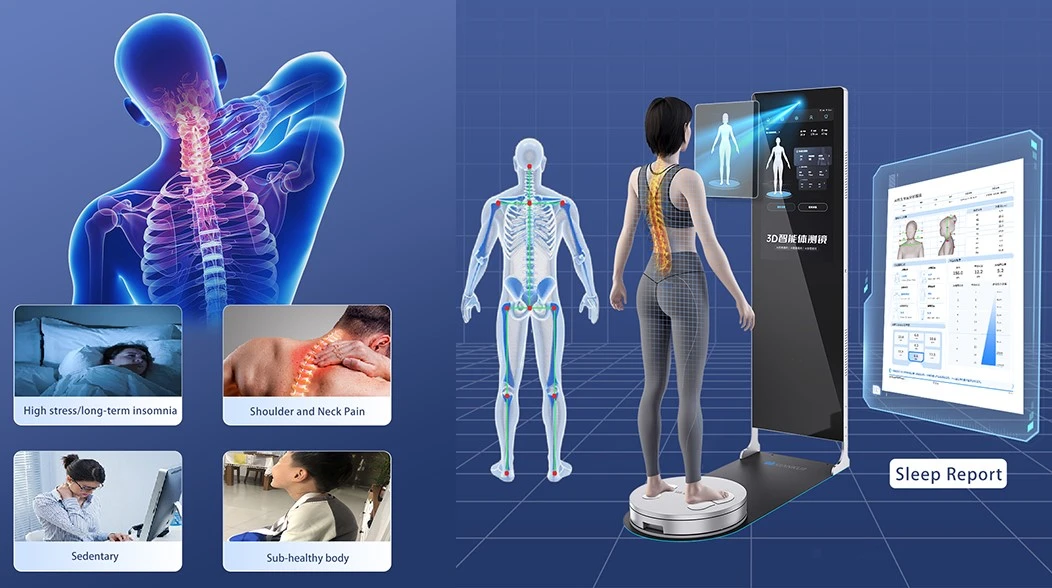
The process begins with capturing the user's unique anatomy. Using a 3D body scanner, hundreds of thousands-or even millions-of coordinate points on the human body are captured in under 30 seconds. This creates a precise digital model that includes critical data such as shoulder height, neck curvature, and spinal alignment. Some advanced systems also integrate posture analysis, providing a comprehensive view of the user's musculoskeletal structure.
2. AI Assessment
Raw scan data alone is not enough. The next step involves intelligent analysis. AI algorithms process the anatomical data alongside user inputs such as preferred sleeping position (side, back, or stomach) and firmness preferences. The system then determines the optimal pillow geometry-including loft, contour, and support zones-to maintain neutral spinal alignment throughout the night.
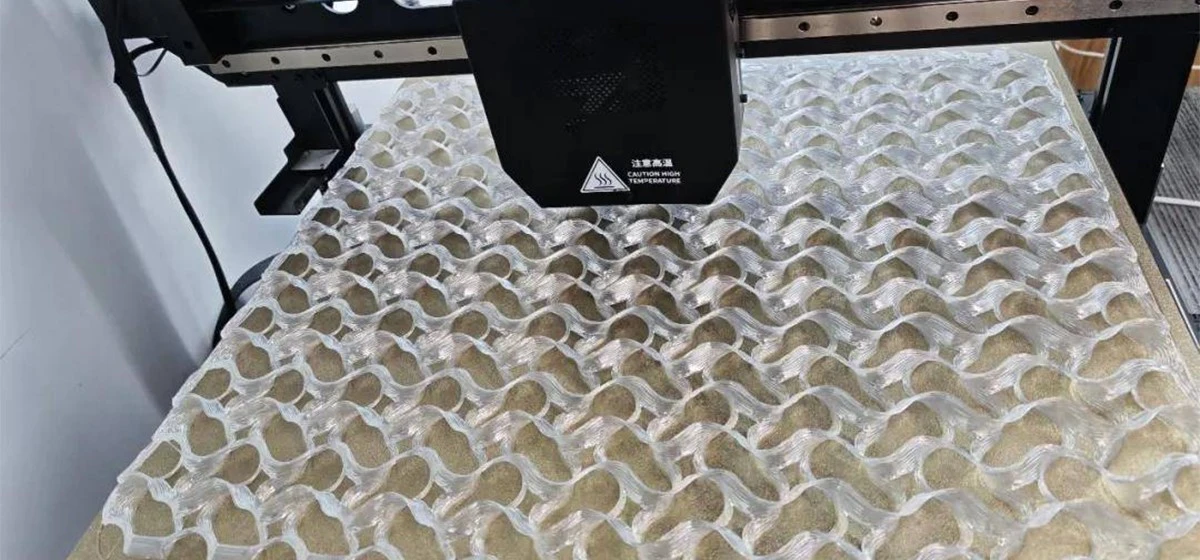
3. 3D Printing the Pillow Core
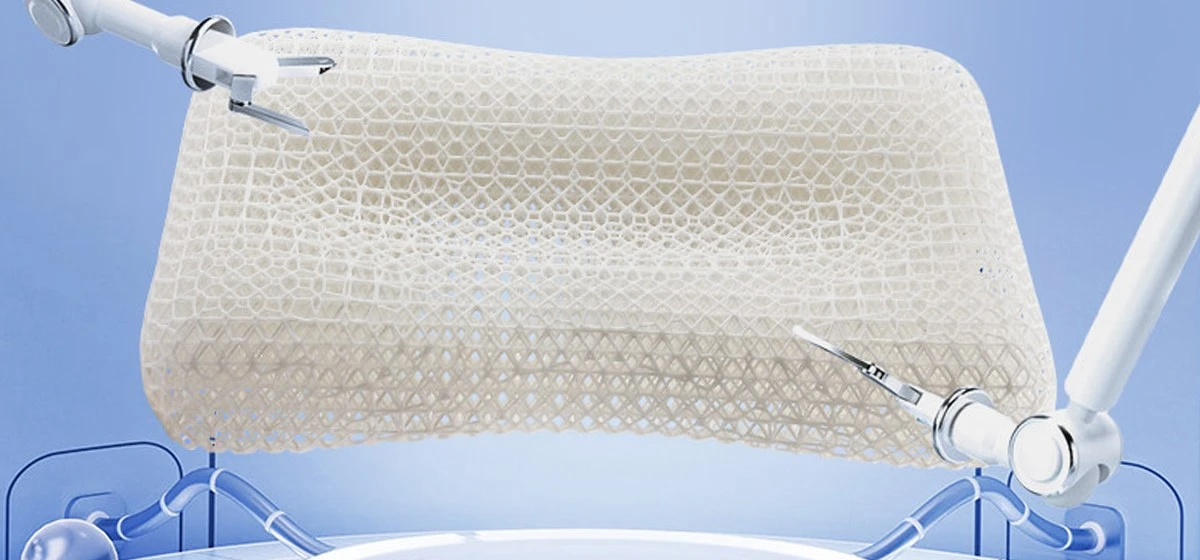
Once the design is finalized, the pillow core is fabricated using 3D printing technology. Materials such as thermoplastic polyurethane (TPU) are commonly used due to their durability, breathability, and elasticity. Unlike traditional foam cores that rely on a single density, 3D‑printed lattice structures can be engineered with variable firmness zones-softer where cushioning is needed, firmer where structural support is required.
The result is a pillow that does not merely "feel" comfortable but is biomechanically optimized for the individual.
Why Bedding Retailers Should Pay Attention
For bedding retailers, the adoption of 3D‑printed customization represents more than a product upgrade-it is a business model transformation.
Reduced Inventory Risk
Mass production forces retailers to forecast demand months in advance, often leading to overstock or stockouts. Custom‑to‑order manufacturing eliminates the need to carry dozens of sizes and firmness levels. Each pillow is produced after the customer's scan, shifting the business from inventory‑heavy to on‑demand.
Lower Return Rates
Returns are a silent profit killer in the sleep industry. When a pillow is designed specifically for an individual's anatomy, the likelihood of dissatisfaction drops dramatically. Customers receive a product that fits them-not a product they hope will fit.
Enhanced Customer Experience
Offering 3D scanning in‑store creates a memorable, high‑tech experience that builds trust and differentiation. Consumers are increasingly seeking personalization, and a 30‑second scan that leads to a custom‑made pillow communicates sophistication, care, and innovation.
New Revenue Streams
Custom pillows command higher price points, and the service itself-scanning, consultation, and follow‑up-can become a value‑added offering. Retailers can also establish recurring revenue models by offering scan updates as body posture changes over time.
What the 3D Printing Industry Gains
For those in the additive manufacturing space, the sleep sector offers a compelling application that addresses several industry challenges.
Scalable, Consumer‑Facing Applications
While 3D printing has made significant inroads in aerospace, automotive, and medical device manufacturing, consumer‑facing applications have remained limited. The sleep industry represents a massive market-global pillow sales alone exceed billions annually. Success here demonstrates that 3D printing can scale beyond prototyping into high‑volume, consumer‑ready products.
Material Innovation
Pillow cores require materials that are soft yet supportive, breathable, and durable. TPU and other flexible polymers are ideal, but ongoing innovation in lattice design, material formulations, and printing speed will continue to expand possibilities. This creates opportunities for material suppliers and printer manufacturers alike.
Integration of Digital Workflows
From scanning to design to fabrication, the pillow customization process relies on a seamless digital thread. For the 3D printing ecosystem, this represents a model for how hardware, software, and materials can converge to deliver a finished product directly to the consumer-without traditional supply chain intermediaries.
Clinical and Wellness Applications
Beyond retail, the same technology holds significant promise for health and wellness practitioners-including chiropractors, spine clinics, and physical therapists.
Patients with cervical spine conditions, postural imbalances, or recovery needs often struggle to find pillows that support their treatment plans. A generic pillow can undermine weeks of manual therapy or chiropractic adjustment. Custom‑3D‑printed pillows, designed from clinical assessment data, provide an extension of care beyond the clinic.
For practitioners, offering such solutions enhances patient outcomes, builds practice differentiation, and creates additional revenue channels.
The Future: From Pillows to Complete Sleep Ecosystems
Today, 3D printing is transforming pillows. Tomorrow, it will expand to mattresses, sleep accessories, and beyond. As scanning technologies become more accessible and printing speeds increase, the cost of customization will continue to fall, making personalized sleep solutions available to a broader audience.
For bedding retailers, now is the time to explore how 3D scanning and printing can differentiate your brand, improve margins, and build lasting customer loyalty. For the 3D printing industry, sleep health represents a tangible, scalable market that showcases the true potential of additive manufacturing-not just as a prototyping tool, but as a foundation for products that improve lives.
Frequently Asked Questions
Q: Is 3D printing a pillow core cost‑effective for mass production?
A: While unit costs are higher than traditional foam molding, the elimination of inventory waste, reduced returns, and premium pricing make it economically viable-especially for custom‑to‑order business models.
Q: What materials are used for 3D‑printed pillow cores?
A: Thermoplastic polyurethane (TPU) is the most common material due to its flexibility, durability, and breathability. Other flexible polymers and bio‑based materials are emerging as well.
Q: How long does the entire process take-from scan to delivery?
A: Depending on the system and production capacity, a custom pillow can be printed and delivered within days. The scanning itself takes under 30 seconds.
Q: Can existing bedding retailers integrate this technology without a complete overhaul?
A: Yes. Many solutions offer turnkey packages that include the scanner, software, and integration with existing point‑of‑sale systems, allowing retailers to add customization as a new service line.
Conclusion
The sleep industry is at a turning point. Consumers are no longer satisfied with guessing games and return policies. They want products designed for their bodies, backed by data, and delivered with precision.
3D printing provides the technological bridge between individual anatomy and mass customization. For bedding retailers, it offers a path to differentiation, reduced operational costs, and deeper customer relationships. For the additive manufacturing community, it opens a massive, consumer‑facing market that demonstrates the full potential of digital fabrication.
The future of sleep is not one‑size‑fits‑all. It is scanned, analyzed, printed, and perfectly yours.
Interested in bringing 3D‑printed custom pillows to your retail or clinical practice? Explore how Xianku's end‑to‑end solution can help you lead the personalization revolution.
