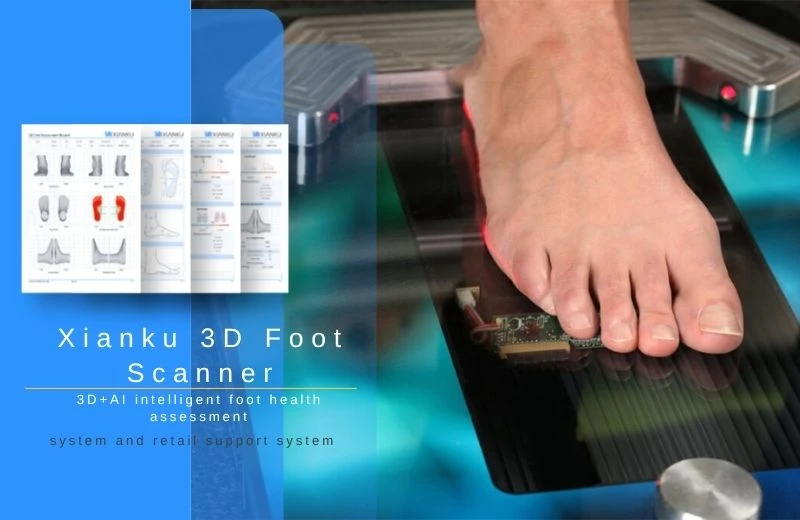
Buying shoes for children sounds simple.
Find the right size.
Let the child try them on.
If they feel comfortable, buy them.
But children's feet are not static.
Their foot length, width, arch development, and walking patterns can change as they grow. That makes choosing children's footwear very different from simply finding a pair that "fits."
This is where Dr. Kong offers an interesting example for the children's footwear industry.
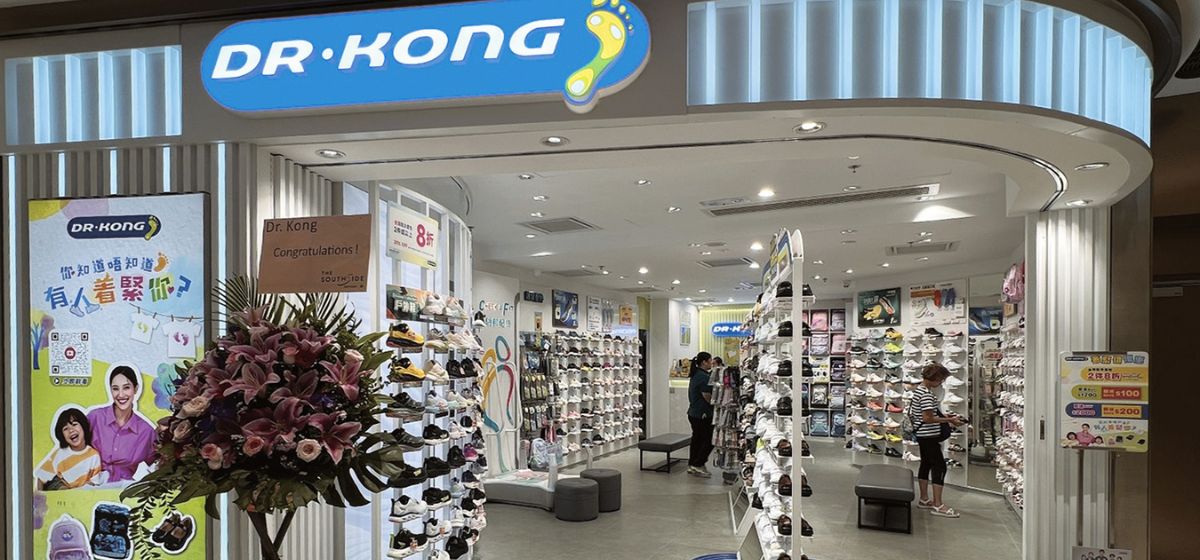
Rather than positioning its business around shoes alone, Dr. Kong has built its brand around a broader concept: foot and posture health for the whole family.
Its official website highlights different footwear solutions for different developmental stages, from pre-walking babies and toddlers learning to walk to children's sports shoes. It also promotes foot assessment and insole fitting before purchasing shoes.
For children's footwear retailers, there is an important lesson here:
The future of kids' footwear retail may not be about helping parents find a shoe size. It may be about helping them understand their child's feet.
1. Why Shoe Size Alone Is Not Enough
A child can wear the "correct" shoe size and still have a poor fit.
Why?
Because shoe size mainly describes length.
It does not necessarily tell a retailer everything about:
- Foot width
- Arch characteristics
- Heel stability
- Left-right foot differences
- Pressure distribution
- Individual foot shape
- How the foot interacts with the shoe
Two children with the same foot length can have very different feet.
One may need more room in the forefoot.
Another may need a different level of support.
A third may have noticeable differences between the left and right foot.
That creates a problem for traditional shoe retail.
If the entire sales process is based on:
"What size does your child wear?"
the retailer may be missing valuable information.
2. Dr. Kong's Key Idea: Measure Before You Recommend
One of the most notable elements of Dr. Kong's retail model is its emphasis on foot assessment.
The brand explicitly promotes "foot assessment and insole fitting" and advises customers to have their feet checked before choosing shoes and insoles.
This changes the customer journey.
Instead of:
Size → Shoe → Purchase
the experience becomes:
Assessment → Understanding the foot → Recommendation → Fitting → Purchase
That sounds like a small difference.
From a retail perspective, it is actually a major one.
The store is no longer simply answering a product question.
It is answering a customer problem.
The parent is not really asking:
"Which shoes look good?"
They are often asking:
"Which shoes are suitable for my child?"
That is a much more valuable question for a professional retailer to answer.
3. Why This Matters More for Children
Children's footwear is particularly suitable for this type of service because parents are often more concerned about fit and development than adult consumers are.
A parent may notice:
- Shoes wearing unevenly
- A child frequently tripping
- Complaints about uncomfortable shoes
- Difficulty finding a suitable shoe shape
- Different shoe sizes between the two feet
- Rapid changes in shoe fit as the child grows
The challenge is that many parents do not know what information they should actually look at.
This creates an opportunity for retailers.
Instead of simply saying:
"Your child needs size 31."
a professional store can explain:
"Here is your child's foot shape, here is the difference between the two feet, and here is why we recommend this type of shoe."
The retailer becomes an educator.
And education creates trust.
4. Dr. Kong Is Selling Expertise, Not Just Shoes
This is one of the most interesting aspects of the Dr. Kong model.
The brand was founded in Hong Kong in 1999 and has expanded its business into multiple markets and product categories. Its current positioning covers footwear and foot-care products for different age groups, rather than focusing on a single type of children's shoe.
Its product portfolio includes pre-walking shoes, toddler shoes, children's sports shoes, sandals, and other foot-related products.
This gives the brand a broader role in the customer's life.
The customer relationship can continue as the child grows:
Learning to walk → Growing feet → Daily footwear → Sports → Different stages of development
The retailer is therefore not just selling a transaction.
It is building a long-term relationship around the child's changing needs.
5. The Physical Store Has an Advantage
This model also highlights something important about brick-and-mortar footwear stores.
Online retailers can offer:
- More products
- More sizes
- More price comparisons
- Convenient delivery
But they cannot easily reproduce the physical experience of:
Measure → Observe → Explain → Try → Adjust
That is where physical stores can differentiate themselves.
Instead of competing with e-commerce on price, a children's footwear store can compete on professional fitting and personalized service.
The store becomes a place where parents can get answers.
That is much harder to replace with a product page.
6. Where 3D Foot Scanning Can Take This Model Further
The next step is to make foot assessment more measurable and easier to standardize.
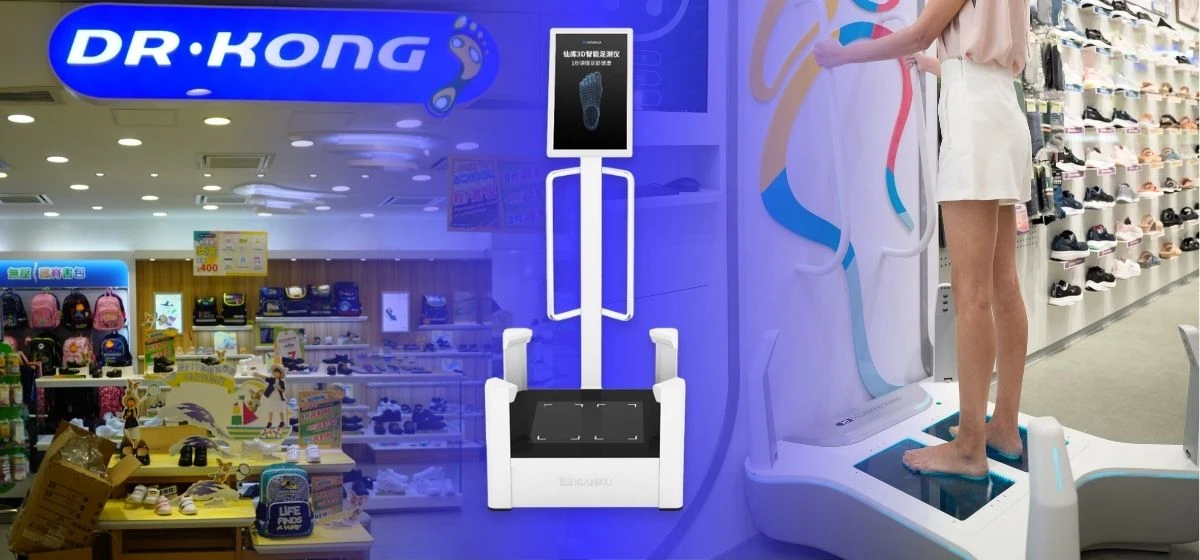
A 3D Foot Scanner can capture detailed information about a child's feet and create a digital representation of the foot shape.
Depending on the system, retailers can analyze information such as:
- Foot length
- Foot width
- Foot shape
- Arch characteristics
- Heel dimensions
- Left-right differences
- Other measurable foot parameters
This creates a new opportunity for children's footwear retailers.
Instead of relying entirely on manual measurement and visual judgment, the retailer can introduce digital foot data into the fitting process.
The customer journey could look like this:
Step 1 - Scan
Capture both feet digitally.
Step 2 - Analyze
Review key measurements and differences between the feet.
Step 3 - Explain
Show parents what the measurements mean.
Step 4 - Recommend
Match the child's foot characteristics with appropriate shoe models.
Step 5 - Fit
Let the child try the recommended shoes and make adjustments if necessary.
The important part is that the scanner does not have to replace the salesperson.
It can make the salesperson's recommendation more data-supported and easier to explain.
7. Data Can Make the Customer Experience More Trustworthy
Imagine two different sales conversations.
Traditional Conversation
Parent: "What size should I buy?"
Salesperson: "Probably size 31. Try this one."
Data-Supported Conversation
Parent: "What size should I buy?"
Salesperson: "Let's scan your child's feet first."
After the scan:
"The feet are slightly different in length and width. This model provides a better match for the larger foot, and we recommend leaving enough space for comfortable movement."
The second conversation feels completely different.
The retailer is not simply making a recommendation.
They are showing the reasoning behind it.
That can make parents feel more confident about purchasing a higher-value product.
8. The Business Opportunity for Children's Shoe Stores
For retailers, the biggest opportunity may not be selling more shoes per customer.
It may be increasing the value of the service surrounding each purchase.
A store can build services around:
Foot Measurement
Use digital scanning to understand the customer's feet.
Shoe Matching
Recommend products based on measurable foot characteristics rather than size alone.
Personalized Insoles
For suitable customers, use foot data to support personalized insole recommendations.
Growth Tracking
Repeat scans over time to help parents understand how their child's feet are changing.
Customer Profiles
Keep digital foot information to support future purchases.
This creates a much stronger customer relationship than a one-time shoe sale.
Instead of:
"Come back when your child needs another pair."
the store can eventually offer:
"Come back when your child grows, and we can check how their feet have changed."
That creates a reason to return.
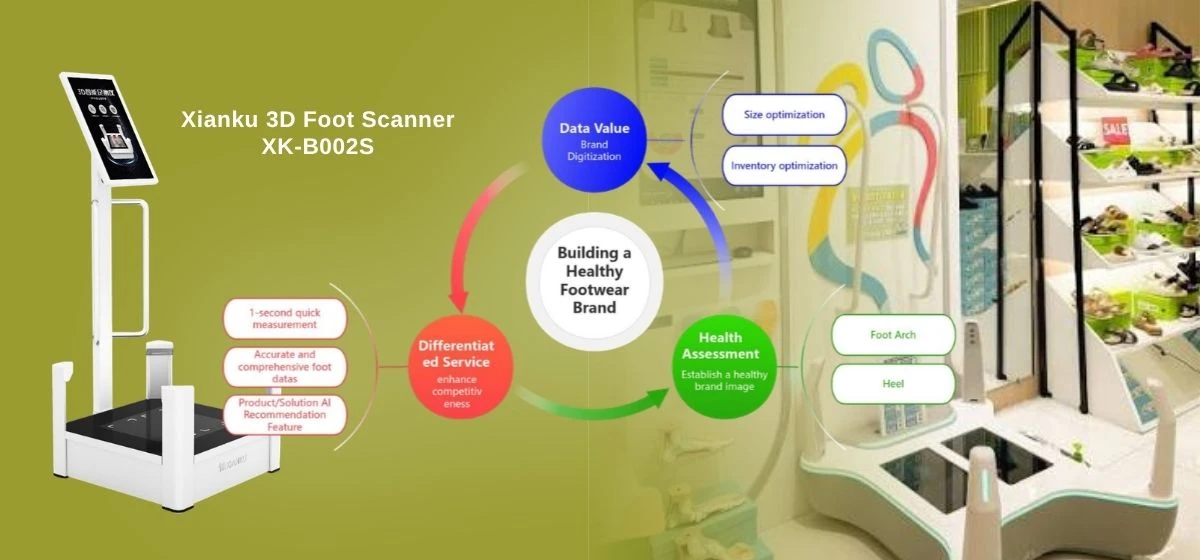
9. What Other Children's Shoe Retailers Can Learn From Dr. Kong
The lesson is not necessarily to copy every product or service offered by Dr. Kong.
The bigger lesson is its retail positioning.
A traditional children's shoe store sells:
Shoes.
A professional children's footwear store can sell:
Fit + Knowledge + Measurement + Guidance + Shoes.
That changes the competitive landscape.
When the product becomes easier to compare online, professional service becomes more valuable.
When parents can buy hundreds of shoes online, the store needs to answer a different question:
Why should I come to your store instead of buying online?
A strong answer is:
Because we can help you understand your child's feet before you buy.
10. The Future of Kids' Footwear Retail
The future of children's footwear retail may look less like a traditional shoe shop and more like a foot-fitting service center.
A parent walks in.
The child's feet are scanned.
The retailer explains the results.
The system identifies important measurements and differences.
Suitable shoes are recommended.
The child tries them on.
The retailer confirms the fit.
The foot profile is saved for future purchases.
Months later, the child comes back.
The feet are scanned again.
Now the retailer can compare the new data with the previous profile.
This creates something that e-commerce has difficulty replicating:
an ongoing relationship based on the child's changing needs.
Key Takeaway
Dr. Kong's approach demonstrates an important shift in children's footwear retail:
Don't just sell parents the right size. Help them understand the right fit.
The more personalized the customer experience becomes, the less a physical shoe store needs to compete purely on price.
Foot measurement, digital scanning, personalized fitting, and data-supported recommendations can turn a traditional children's shoe store into something much more valuable:
a trusted foot-fitting partner for parents.
And that may be the real opportunity for the next generation of children's footwear retailers.
Frequently Asked Questions
Why is measuring children's feet important when buying shoes?
Foot length is only one part of fit. Foot width, shape, arch characteristics, heel dimensions, and differences between the two feet can also affect how a shoe fits.
What does Dr. Kong do differently from a traditional shoe store?
Dr. Kong positions its products around foot and posture health and promotes foot assessment and insole fitting before purchasing shoes.
Can a 3D Foot Scanner be used in children's shoe stores?
Yes. A 3D Foot Scanner can digitally capture foot shape and measurable characteristics, helping retailers support more personalized shoe-fitting recommendations.
Can foot scanning replace professional sales staff?
Not necessarily. The strongest model is often technology plus human expertise: the scanner provides measurable information, while trained staff interpret the information and guide the customer.
How can children's shoe stores compete with e-commerce?
Instead of competing only on price and product selection, stores can differentiate through foot assessment, personalized fitting, professional consultation, and ongoing customer service.
What is the biggest lesson from Dr. Kong?
The key lesson is to move from selling children's shoes to providing personalized footwear solutions based on the child's individual foot characteristics.