

The chiropractic and spinal health services market is at a pivotal moment of evolution. Providers ranging from small practices to large-scale networks such as The Joint Chiropractic, Chiro One Wellness Centers, and HealthSource Chiropractic & Wellness encounter shared operational challenges that impact growth, differentiation, and long-term viability.
These establishments often rely heavily on individual practitioner experience for diagnosis and treatment direction. This dependency creates inconsistency in service delivery, limits scalability, and exposes clinics to risks when staff turnover occurs. Additionally, traditional service models tend to lack transparent evaluation mechanisms; without visual or data-backed evidence, patients struggle to understand their own progress. Coupled with high facility overhead costs, rising patient expectations, and competition from multidisciplinary health centers offering integrative therapy, many chiropractic practices find themselves under economic pressure.
In this context, improving professional service capability, offering differentiated experiences, and adopting visualized health assessment tools are not just value-adds - they are crucial for sustaining patient trust and achieving growth.
This article examines the operational dilemmas facing chiropractic clinics, the importance of service innovation and visualization, and how advanced spinal scan technology can support these providers in enhancing professionalism, patient experience, and business outcomes.
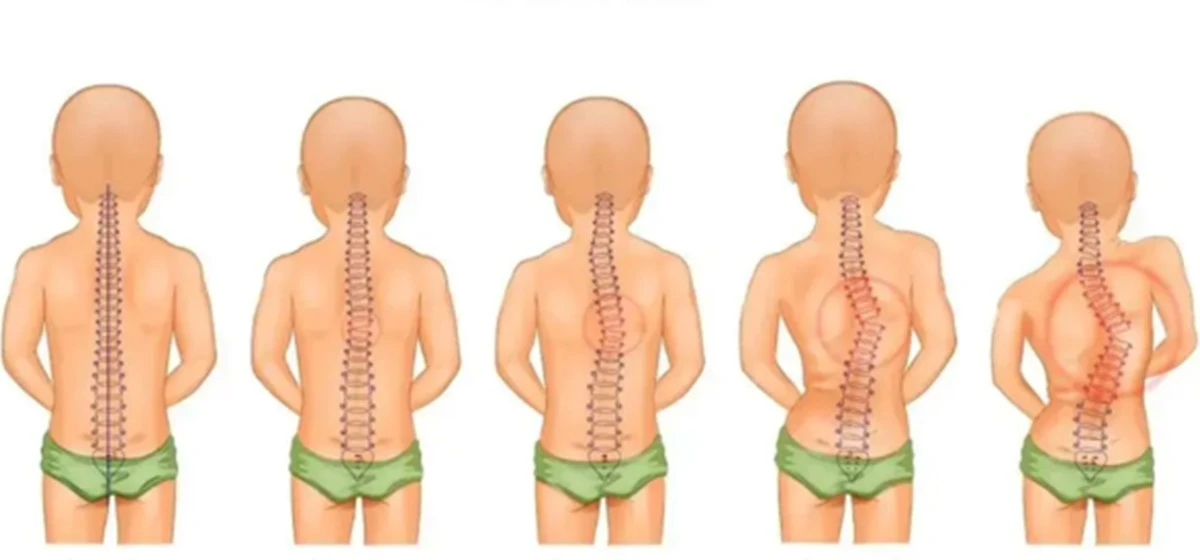
Current Challenges in Chiropractic Clinic Operations
Before exploring technological solutions, it is essential to understand the structural challenges hindering many chiropractic organizations.
Operational Pain Points
| Key Challenge | Impact on Clinic Business |
|---|---|
| Heavy reliance on clinicians' subjective judgment | Inconsistent patient experience; limited repeatability of service |
| Low service innovation and differentiation | Hard to stand out from competitors; commoditization of care |
| Lack of transparent evaluation and outcome tracking | Patients cannot see measurable progress |
| High operational costs (rent, staffing) | Pressure on margins and pricing power |
| Service perceived as non-data driven | Reduced patient confidence and professional credibility |
Across both independent practices and large networks, these themes are consistent. For example, a patient visiting two different HealthSource locations may receive differing assessments, not due to their condition, but due to variance in clinician technique. Similarly, The Joint Chiropractic's rapid membership growth reflects demand for accessible care, but also highlights the homogenized experience many providers offer, which often lacks deep diagnostic engagement.
Why Visualization and Standardized Assessment Matter
Patients increasingly expect clarity, transparency, and personalized solutions - not simply manual therapy sessions. Healthcare consumers today are more informed and less tolerant of ambiguity. They ask:
- What exactly is the problem with my spine?
- How do we measure improvement?
- Can I see and understand my condition?
Without clear, objective feedback, chiropractic care can feel opaque. Standardized screening and visualized reporting are powerful tools for both patients and clinicians:
- Patients gain confidence when they see tangible evidence of spinal deviation or improvement.
- Clinicians gain consistency through standardized assessments that reduce subjective variability.
- Clinics achieve higher engagement when patients understand and commit to recommended pathways.
The enhancement of these aspects is particularly critical in multidisciplinary wellness environments, where patients may compare chiropractic services to physical therapy, orthopedics, or integrated rehabilitation models.
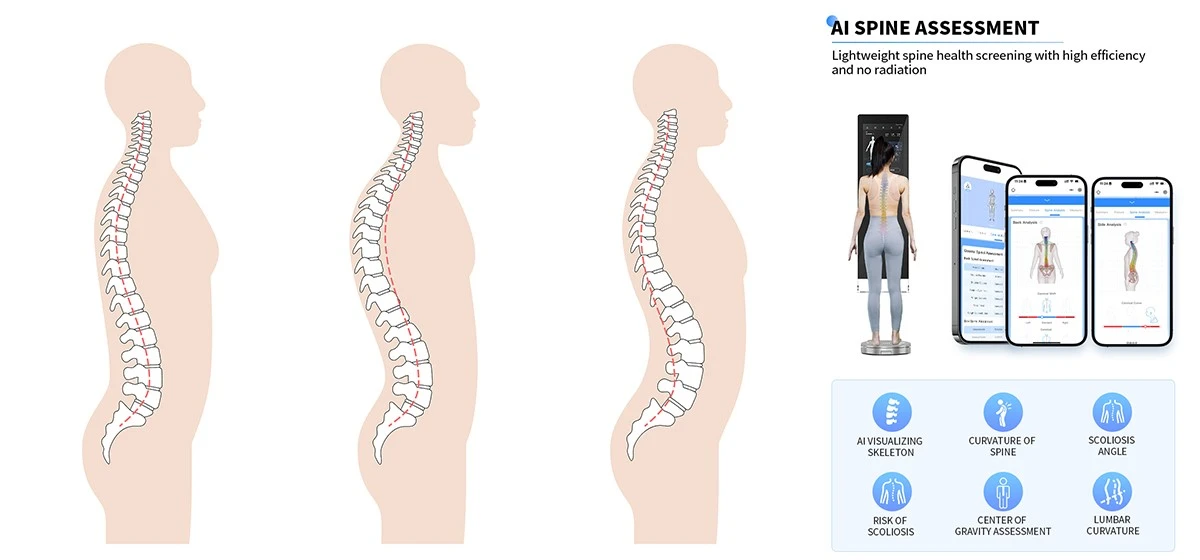
Introducing Spinal Scan as a Professional Assessment Tool
A spinal scan is a non-invasive evaluation that captures detailed biomechanical data across the body, particularly the spine, posture, and structural alignment. When integrated into clinical workflow, it becomes a foundation for evidence-based care.
The Xianku 3D Body Scanner elevates this concept with rapid, high-precision measurement and comprehensive analysis:
- 128 body health metrics, including spinal and postural dimensions
- High-resolution 3D imaging
- AI-enhanced health assessment
- Detailed visual reports
By incorporating spinal scan technology, clinics can transform their engagement model from intuition-led to data-supported.
Table: Traditional vs. Spinal Scan–Enhanced Assessment
| Feature | Traditional Chiropractic Assessment | Spinal Scan–Enhanced Assessment |
|---|---|---|
| Measurement Method | Visual + palpation | 3D measurement + AI analysis |
| Data Depth | Limited | 128 health metrics |
| Visual Support | No | 3D model & comprehensive health report |
| Standardization | Low | High |
| Patient Confidence | Moderate | Elevated |
| Repeatability | Practitioner dependent | Systematic & consistent |
The Role of Spinal Scan in Building a Standardized Workflow
Standardization is at the heart of scalable clinic operations. Without consistent protocols, service quality varies widely - limiting both patient outcomes and growth potential. By contrast, a workflow centered around spinal scan assessment allows clinics to offer reproducible, professional, and transparent services.
A standardized evaluation process typically consists of:
- Initial Spinal Scan – Capturing baseline spinal alignment, posture, and body metrics
- Data Analysis – Interpreting deviations, asymmetries, and risk indicators
- Health Assessment Report – Translating data into clear findings with medical-style documentation
- Solution Recommendations – Providing personalized adjustment plans and supportive products
- Progress Tracking – Re-scanning to review changes over time
Each step reinforces professionalism and enhances the patient's understanding of their own condition.
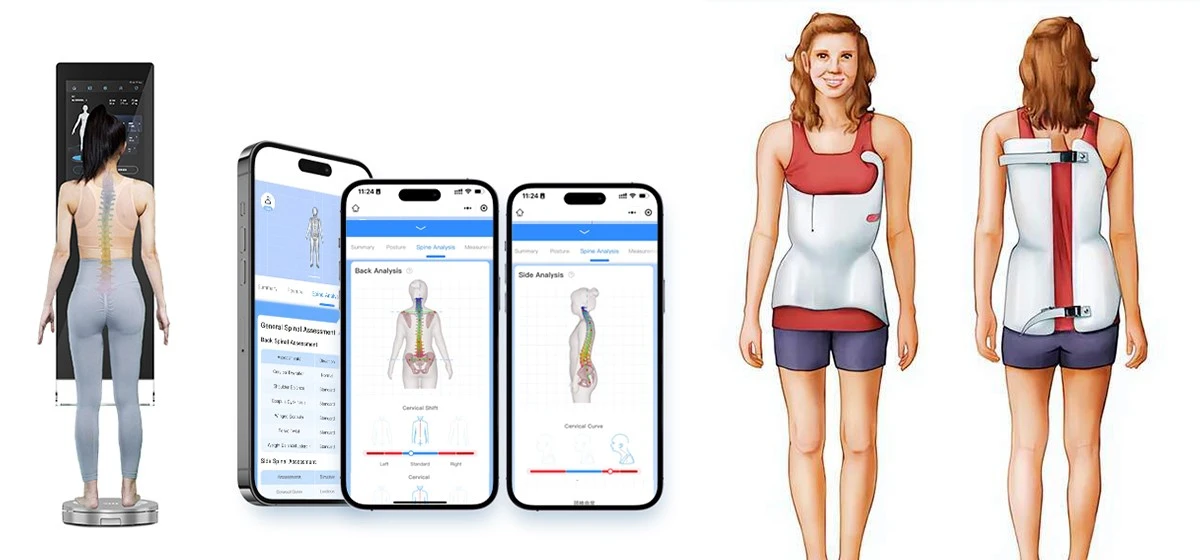
Enhancing Personalization: AI-Driven Recommendations
The strength of the Xianku scanner lies not only in measurement but in translating data into actionable recommendations. Based on spinal scan results, clinics can tailor care pathways for each patient:
| Identified Condition | Custom Recommendations |
|---|---|
| Spinal asymmetry | Targeted adjustment plan + corrective support |
| Pelvic tilt deviation | Posture training + supplemental aids |
| Shoulder imbalance | Balanced therapeutic exercises |
| Forward head posture | Cervical support solutions |
This level of personalization strengthens the therapeutic alliance between practitioner and patient. Patients feel understood, heard, and guided by evidence - a stark contrast to generic treatment approaches.
Building Professional Credibility with Visual Reports
One of the most important contributions of spinal scan technology is visualized spinal health reporting. Instead of relying on verbal descriptions or limited diagrams, patients receive a detailed, medical-grade report that:
- Highlights spinal deviation
- Maps posture irregularities
- Indicates risk zones
- Provides physician notes and recommendation space
This report serves multiple purposes:
- Reinforces clinician expertise
- Educates patients visually and textually
- Supports informed consent and shared decision-making
- Enhances professional credibility and trust
In a crowded chiropractic marketplace, visual reports become a differentiator that many clinics currently lack.
Table: Value Components of Spinal Scan Reporting
| Report Feature | Patient Impact | Clinic Impact |
|---|---|---|
| 3D spinal model | Clear understanding of condition | Professional perception enhanced |
| Color-coded deviation analysis | Emotional engagement | Higher treatment acceptance |
| Medical-style structured interpretation | Patient empowerment | Reduced uncertainty |
| Recommendation field | Shared planning | Up-selling and program closure |
Tracking Body Changes Over Time
Healthcare is not static. For clients to appreciate progress, they must be able to visualize change. Multiple spinal scans over a series of visits allow patients to compare before/after metrics and observe true physiological changes.
This capability directly addresses a long-standing limitation in chiropractic care: the lack of visible evidence of improvement. When patients see measurable progress, their commitment to follow-up plans increases - reducing dropout rates and enhancing lifetime value.
Depersonalization is No Longer an Option
In an era where consumers demand transparency and personalization, depersonalized service does not suffice. Patients increasingly research before visits and expect professional assessments integrated with quantifiable evidence.
Spinal scan technology contributes to:
- Evidence-based evaluation
- Higher patient retention
- Increased conversions from initial consults
- Expanded service offerings such as posture training and supportive devices
Clinics that adopt such technologies not only improve clinical rigor but also align with evolving consumer expectations.
Conclusion: A New Standard for Chiropractic Clinics
The chiropractic market is evolving from a manual skill–based service to a data-informed health experience. Clinics that continue relying solely on traditional methods may struggle to differentiate and sustain growth. Those that embed professional spinal scan assessments within standardized workflows will enhance:
- Professional credibility
- Patient trust and transparency
- Personalized care delivery
- Long-term patient engagement
The integration of 3D body scanning and spinal analysis represents a major opportunity for chiropractic clinics to enhance their service offering, streamline clinical workflows, and strengthen their value proposition in the competitive health services market.
