

The hotel industry grapples with a critical paradox: despite opulent settings, the core sleep experience remains standardized and impersonal. A 2023 survey found over 78% of frequent travelers find premium hotel sleep indistinguishable, with 65% experiencing neck or back discomfort. This stems from an operational model that treats bedding as a uniform asset, procured for cost and consistency rather than personalized comfort. Guest sleep quality is an unmeasured metric, creating a broken feedback loop where true personalization is impossible, failing the promise of restorative luxury.
The Silent Shift: From Standardization to Bespoke Wellness
Forward-thinking hoteliers are now looking beyond thread count. Brands like Four Seasons and Ritz-Carlton have long set the bar for personalized service, remembering a guest's name, preferred newspaper, or favorite drink. However, this personal touch has historically stopped at the bedroom door. The new frontier lies in extending this customization to the eight hours that define a guest's physical renewal. Aman Resorts, for instance, has pioneered integrative wellness, embedding spa philosophies into the entire stay. Six Senses conducts initial wellness screenings to tailor activities and nutrition. Yet, the sleeping environment itself often remained a static element. The question emerged: how can we make the sleep experience as personally attuned as the service?
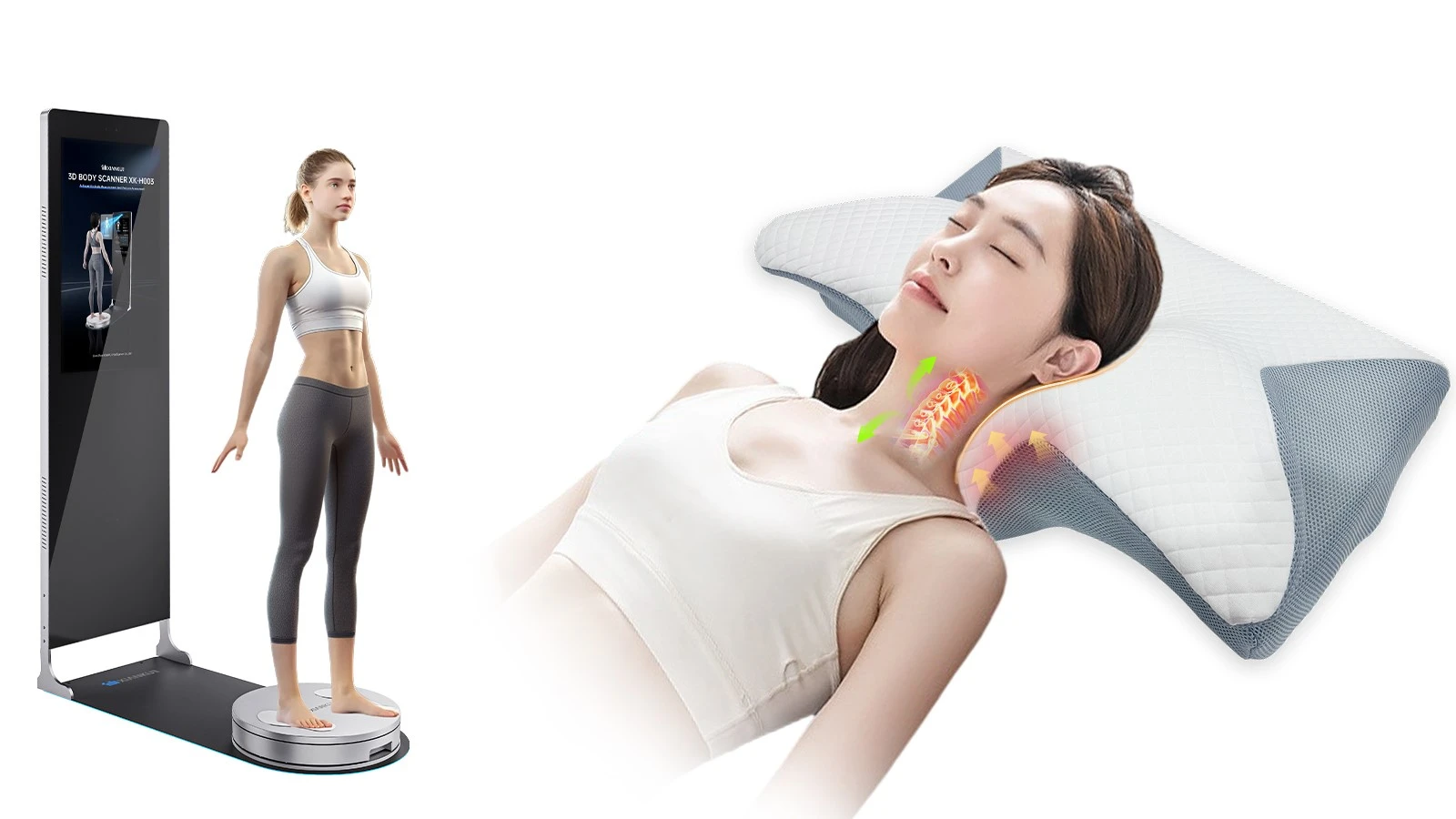
This is where engineering and hospitality converge. The solution isn't just a better pillow; it's a system that understands the unique architecture of the individual body. Enter the next generation of guest-centric technology: the intelligent body scan system. Imagine a device that, in less time than it takes to order room service coffee, constructs a precise digital blueprint of a guest's posture and physiology. This isn't science fiction; it's the operational reality offered by systems like the Xianku3d Body Scanner.
Decoding the Individual: The Science of the 3D Body Scan
So, what exactly is this technology? The Xianku3d body scanner is an intelligent anthropometric system that utilizes safe, structured light scanning. In approximately 20 seconds, it captures hundreds of thousands of data points to create a true-to-life, millimetre-accurate 3D model of an individual. The process is private, non-invasive, and feels more like a futuristic photo booth than a medical procedure.
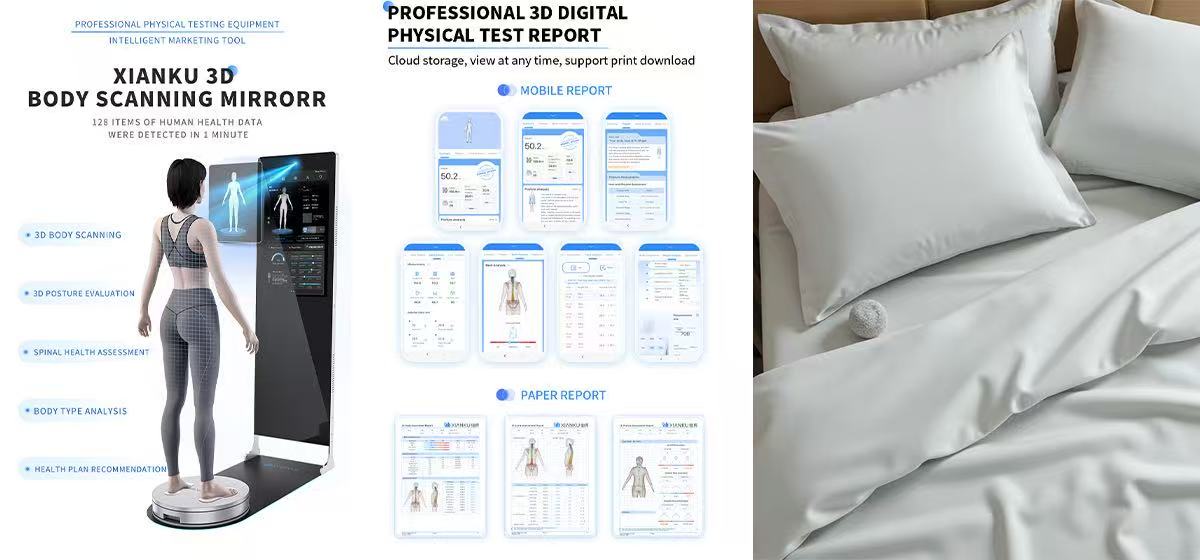
Within one minute, this model is processed by sophisticated AI algorithms to generate a comprehensive report that moves far beyond simple measurements.
| Core Data Points Generated by the Body Scan | How it Informs the Sleep Experience |
|---|---|
| 3D Spinal Analysis (Curvature, Scoliosis Risk, Pelvic Tilt) | Identifies specific pressure points and alignment needs for optimal spinal support during sleep. |
| Shoulder-Neck Posture & Cervical Curve | Determines the precise height and firmness required for cervical (neck) spine alignment in a side-sleeping or back-sleeping position. |
| Body Composition & Pressure Distribution | Informs how body weight is distributed, guiding support needs for shoulders, hips, and lumbar region. |
| AI-Posture Health Assessment | Flags potential risk factors (e.g., pronounced kyphosis) that contribute to chronic sleep discomfort. |
This data is transformative. Instead of a guest vaguely requesting a "softer pillow," the system provides an objective, scientific basis for customization. For example, a guest with a 12-degree left-leaning cervical curvature and high shoulder pressure points would have profoundly different support needs than one with a flattened lumbar curve. The scanner identifies these nuances with clinical precision.
The Personalized Hospitality Workflow: From Data to Dream
How does this integrate into the hotel stay? The process is seamless, adding a layer of high-tech care.
- The Welcome Scan: Upon check-in or at a dedicated wellness concierge desk, guests are invited for a quick body scan. The value proposition is clear: "Let us tailor your sleep for ultimate comfort."
- The Instant Analysis: The guest receives a simple, visually engaging report on a tablet. They see their own 3D avatar, highlighting areas of focus. This transparency builds immediate trust and engagement-it's their data, for their benefit.
- The AI-Powered Match: The system cross-references the biometric data with a brief sleep habit questionnaire (e.g., "Do you primarily sleep on your side or back?"). An AI matching engine then selects from a curated library of support profiles.
- The Bespoke Creation: For the ultimate in customization, the pinnacle application is the 3D-printed pillow. Based on the scan, a pillow core is fabricated layer-by-layer, with varying density zones precisely mapped to the guest's shoulder width, neck length, and cervical curve. Brands like Marriott International's Westin have experimented with sleep-focused innovations, and this technology represents the logical, hyper-personalized evolution of their famed "Heavenly Bed."
- The Seamless Service Loop: The data, with guest permission, creates a dynamic health profile. Imagine checking into a St. Regis in New York, and after your scan, the butler not only knows your preferred whisky but also has your biomechanically perfect pillow waiting. Months later, at a Peninsula in Tokyo, your profile is retrieved, and the experience is consistently replicated or even refined.
- The Strategic Imperative: Quantifying the Intangible
For hotel management, this technology shifts sleep from an abstract comfort to a quantified, managed asset. It closes the strategic loop that has long been missing.
Table: The Evolution of Sleep Asset Management
| Traditional Model | Data-Driven, Personalized Model |
|---|---|
| Procurement Driver: Cost, Standardization, Aesthetics. | Procurement Driver: Guest Biometric Data, Sleep Outcome Metrics. |
| Sleep Quality Metric: Guest Complaint Logs, Generic Survey Scores. | Sleep Quality Metric: Pre- and Post-Stay Discomfort Index, Scan Data Trends. |
| Guest Preference: Manual, Text-Based Notes ("prefers firm pillows"). | Guest Preference: Digital, Biomechanical Profile (e.g., "Profile #ALPHA-7: Requires 14cm side-sleep support with lumbar bolster"). |
| Loyalty Mechanism: Points, Room Upgrades. | Loyalty Mechanism: Unreplicable Physical Comfort, "My Sleep Profile" Portability. |
| ROI Calculation: Based on Asset Lifespan. | ROI Calculation: Based on Direct Revenue (Product Sales) & Indirect Value (Higher ADR, Loyalty). |
The business case becomes clear. A hotel can now track, for instance, that implementing scan-based pillow recommendations led to a 22% reduction in sleep-related complaints and a 15-point increase in "sleep quality" scores on post-stay surveys. This data justifies investment. Furthermore, it opens new revenue streams. The body scan experience itself is a premium offering. The subsequent sale of a custom 3D-printed pillow (which a guest can take home) transforms a cost center into a profit center, deepening brand integration into the guest's daily life. Hyatt's strategy of fostering "branded residential" connections finds a new, organic expression here.
Beyond the Pillow: A New Paradigm for Guest-Centricity
The implications ripple outward. The body scan data, always owned by the guest, can intelligently inform other touchpoints. Could the housekeeping system prompt staff to leave a larger bathrobe for a broad-shouldered guest? Could the spa use the posture assessment to recommend a specific targeted massage? The potential is vast, always anchored in meeting the customer's personalized needs with discretion and science.
This isn't about creating a clinical environment. It's about using technology to deliver unparalleled human care. It embodies the philosophy of Tokyo's legendary Hoshinoya, where every element of the environment is meticulously crafted for serenity, but now with a layer of individual biological harmony. It's the next step in the journey of luxury pioneers like Aman and Six Senses, moving from generalized wellness to quantified, personal well-being.
Conclusion
The future of luxury hospitality is not just about opulence, but about relevance-to a guest's body, health, and personal definition of renewal. The hotel healthy sleep experience is finally catching up to the sophistication of other service verticals. The intelligent application of body scan technology represents a profound shift: from offering a standard bed to curating a personal sleep ecosystem. It allows hotels to solve a fundamental, universal pain point with elegant, data-driven precision. In an era where travelers seek not just a place to stay, but a partner in their well-being, embracing this level of personalization is no longer a novelty-it's becoming the new standard for those who wish to lead, not just compete. The era of the truly intelligent, responsive guest room has dawned, and it starts by understanding the individual, one precise, compassionate scan at a time.
