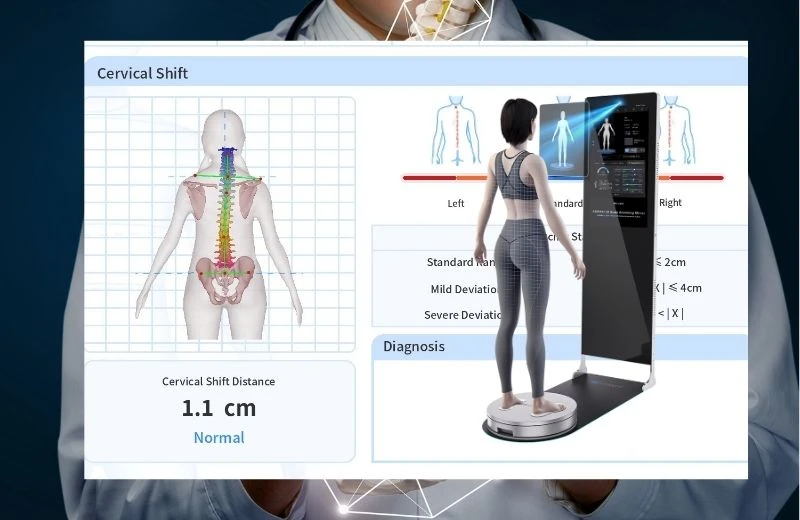
Posture Is Health: Why Spinal Alignment Matters in Teenagers
Posture is not only about appearance. It is a visible expression of how the whole body works together.
For teenagers, poor posture, spinal imbalance, pelvic tilt, uneven shoulders, or a shifted body center of gravity may gradually influence comfort, movement efficiency, growth confidence, and long-term musculoskeletal health. Neck discomfort, lower back pain, knee stress, rounded shoulders, or fatigue during study and sports are often not isolated problems. They may be connected to deeper body alignment issues, such as:
- Scoliosis risk
- Forward head posture
- High and low shoulders
- Pelvic forward tilt or backward tilt
- Hunchback posture
- O-shaped or X-shaped legs
- Body center of gravity deviation
Traditional health checks often separate the body into isolated indicators. A body fat scale measures composition. A tape measure records circumference. Manual posture observation depends heavily on the examiner's experience. But adolescent spinal health needs a more integrated view.
That is where AI scoliosis screening and spinal alignment tracking becomes valuable.
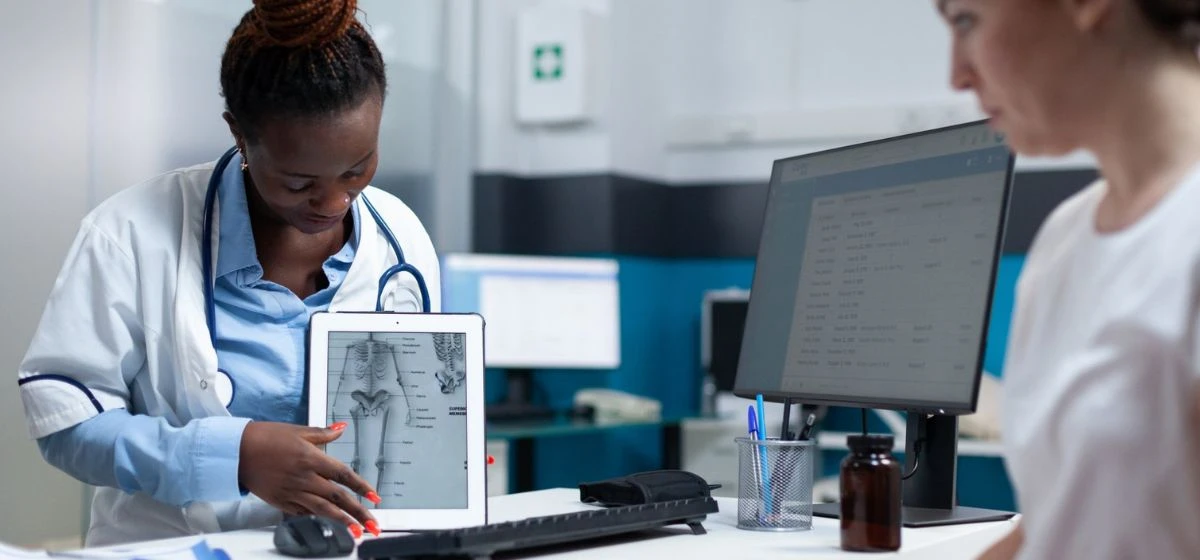
The XIANKU 3D Body Scanner is designed to provide a three-dimensional health assessment that combines:
- Body composition analysis
- Posture and spinal alignment assessment
- Digital body circumference measurement
- 3D body trend comparison
- AI-powered visual health reporting
For schools and children's health centers, this creates a faster, safer, and more visual way to support early posture screening and preventive health management.
Why Traditional Scoliosis Screening Is Not Enough
In many schools and children's health programs, scoliosis screening is still based on visual observation, forward-bending tests, wall charts, or manual palpation. These methods can be useful, but they also have limitations.
Common challenges include:
- Screening large groups takes significant time.
- Results may vary between different staff members.
- Students and parents may find the results difficult to understand.
- Manual records are hard to compare over time.
- Traditional body fat scales cannot evaluate spinal alignment.
- 2D photos may miss three-dimensional body asymmetry.
Most importantly, adolescent posture is dynamic. A single visual check cannot fully explain how the spine, pelvis, shoulders, knees, body shape, and center of gravity interact.
A more advanced approach should answer these questions:
- Is the student's shoulder balance changing?
- Is the pelvis tilting forward or backward?
- Is the body center of gravity shifting?
- Is there a visible risk of scoliosis?
- Are posture changes improving or worsening over time?
- Can parents and health staff see the changes clearly?
This is the core value of AI scoliosis screening and spinal alignment tracking.
What Is AI Scoliosis Screening and Spinal Alignment Tracking?
AI scoliosis screening and spinal alignment tracking refers to a digital health screening process that uses 3D scanning, AI body modeling, skeletal visualization, and trend comparison to evaluate posture and spinal health indicators.
Instead of relying only on manual observation or 2D images, the system captures the body surface in three dimensions and reconstructs a realistic digital model. AI algorithms then analyze posture-related data and generate a visual report.
For adolescent screening, this approach helps schools and children's health centers:
- Identify potential scoliosis risk earlier
- Visualize spinal posture more clearly
- Track body alignment changes over time
- Build a digital health record for each student
- Improve communication with parents
- Support referral decisions when professional medical evaluation is needed
It is important to note that a 3D body scanner is a screening and assessment tool, not a replacement for clinical diagnosis. Students with suspected spinal issues should always be referred to qualified medical professionals for further evaluation.
XIANKU 3D Body Scanner: From Body Data to Posture Intelligence
The XIANKU 3D Body Scanner uses non-radiation 3D structured light and three-dimensional human body reconstruction technology to create a 1:1 Realistic 3D model of the student's body.
Compared with ordinary 2D photo-based systems or formula-estimated data, XIANKU's 3D scanning approach provides a more intuitive and measurable view of real body shape and posture.
Key technical advantages include:
- 3D infrared structured light scanning
- 3D human body reconstruction
- 20-second contactless scanning
- Full report available within 1 minute
- 1:1 Realistic 3D human body models
- AI visualized skeleton display
- Body center of gravity assessment
- Spinal curvature health assessment
- Measurement of scoliosis angle
- Body trend comparison system
- CRM-based digital health record management
For school and children's health environments, speed and comfort matter. A 20-second non-contact scan reduces pressure on students and allows staff to screen more children efficiently.
A Three-in-One Health Assessment: Composition + Posture + Circumference
Many health screening devices focus on only one dimension of the body. A traditional BIA body fat scale mainly measures composition-related indicators. A tape measure records circumferences. A posture photo may show appearance but not provide comprehensive 3D body data.
XIANKU's system combines three dimensions into one assessment:
1. Body Composition Analysis
The system includes 15 body composition reports, helping health centers understand physical development and body status from a broader perspective.
This can support:
- Growth and wellness monitoring
- Weight management programs
- Fitness and physical education planning
- General health awareness for students and parents
2. Digital Precision Body Measurement
The scanner provides 45+ body circumference data, helping create a more complete digital profile of body shape.
This may include measurements related to:
- Shoulder width
- Neck circumference
- Waist and abdominal circumference
- Hip and leg circumference
- Back length
- Shoulder tilt
- Body proportion and shape indicators
For adolescent health programs, these measurements help move beyond rough manual records and create a repeatable, digital baseline.
3. AI Spinal Posture Assessment
The AI posture module includes 20 physical health reports, covering spinal and body alignment indicators such as:
- Scoliosis risk assessment
- Spinal curvature health assessment
- AI visualized skeleton display
- Body center of gravity assessment
- Scoliosis angle measurement
- High and low shoulders
- Rounded shoulders
- Hunchback posture
- Pelvic forward tilt
- Pelvic backward tilt
- Knee hyperextension
- O-shaped and X-shaped legs
This makes the system especially suitable for AI scoliosis screening and spinal alignment tracking in school-based and children-focused health scenarios.
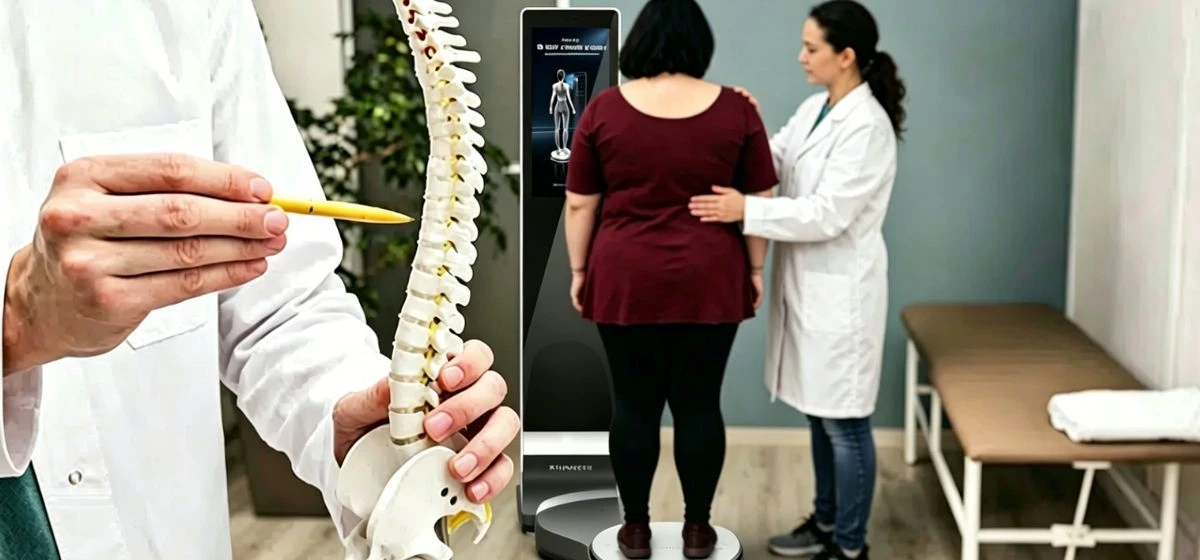
Why 1:1 Realistic 3D Models Are Better Than 2D Photos
A 2D photo can show surface posture from one angle, but the human body is three-dimensional. Shoulder imbalance, pelvic rotation, trunk deviation, and spinal posture changes may not be fully visible in a single flat image.
A 1:1 Realistic 3D model helps health staff and parents see posture more intuitively.
The benefits include:
- More complete body visualization
- 720° digital body viewing
- Clearer understanding of body asymmetry
- Better communication with parents
- Easier comparison between current and previous scans
- More convincing visual evidence for health education
For teenagers, visual feedback is especially powerful. When students can see their posture in 3D, they may better understand why posture habits, exercise, stretching, backpack weight, and sitting position matter.
Body Center of Gravity: The Missing Link in Posture Health
One of the most important but often overlooked posture indicators is the body center of gravity assessment.
When the body's center of gravity shifts, other body parts may compensate. For example:
- A pelvic tilt may affect spinal balance.
- Uneven shoulders may influence neck tension.
- Knee alignment may change walking and standing posture.
- A shifted trunk may increase fatigue during long periods of sitting or standing.
- This is why adolescent spinal screening should not focus only on the spine. It should evaluate the full-body chain.
XIANKU's whole-body assessment concept reflects a more advanced health-tech principle:
The spine, pelvis, shoulders, legs, body composition, and body shape should be evaluated together.
This is the foundation of true full-body collaborative health screening.
Body Trend Comparison: Turning One-Time Screening into Long-Term Prevention
One of the most valuable features for schools and children's health centers is body trend comparison.
Instead of treating each scan as a separate report, XIANKU's system allows users to compare changes over time. The platform can visually overlap and compare two 3D models, making posture changes easier to understand.
This is useful for:
- Annual school health screening
- Quarterly posture monitoring
- Follow-up after corrective exercise programs
- Parent communication
- Student health file management
- Long-term scoliosis risk tracking
The integrated CRM customer management system can help organizations store reports, manage student records, review appointment history, and track health programs.
For B2B institutions, this transforms a scanner from a single measurement device into a digital health management platform.
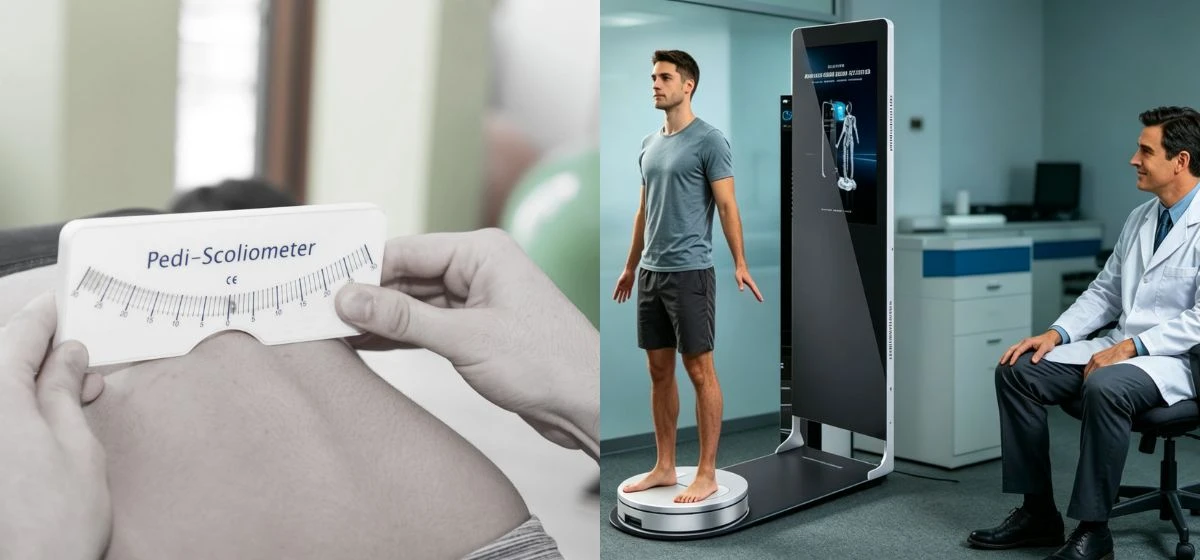
Application Value for Schools and Children's Health Centers
For schools, school nurses, physical education departments, and children's health centers, XIANKU 3D Body Scanner can support a more efficient screening workflow.
For Schools
- The system helps schools:
- Conduct non-contact posture screening
- Screen more students in less time
- Generate visual reports quickly
- Improve parent communication
- Support early identification of posture risks
- Build digital student posture health records
For Children's Health Centers
- The system helps children's health centers:
- Provide differentiated 3D health assessment services
- Offer visual posture consultations
- Track growth and body alignment trends
- Support personalized intervention planning
- Improve professional credibility
- Strengthen customer relationship management
For Parents and Students
- The system helps families:
- Understand posture risks visually
- Track improvement over time
- Build awareness of scoliosis prevention
- Take action earlier when professional evaluation is needed
- Create a digital health profile for long-term growth monitoring
FAQ: AI Scoliosis Screening and 3D Body Scanning
How does a 3D body scanner detect scoliosis without radiation?
A 3D body scanner uses non-radiation 3D structured light to capture the external shape and posture of the body. XIANKU's system reconstructs a 1:1 Realistic 3D model and uses AI algorithms to assess spinal posture indicators, body symmetry, center of gravity, pelvic balance, and scoliosis risk. It does not replace X-ray diagnosis, but it provides a safe and efficient screening reference.
What is the difference between a 3D body scanner and a traditional BIA body fat scale?
A traditional BIA body fat scale mainly focuses on body composition, such as body fat and weight-related indicators. A 3D body scanner provides a broader view by combining body composition, posture assessment, spinal alignment analysis, and 45+ body circumference data. XIANKU's solution supports "composition + posture + circumference" in one integrated health assessment.
Can AI scoliosis screening be used in schools?
Yes. AI scoliosis screening is suitable for school health programs because it is fast, contactless, visual, and easy to standardize. XIANKU's 20-second scanning and 1-minute report generation can help schools conduct large-scale student posture screening more efficiently.
Is a 3D body scanner a medical diagnostic device?
A 3D body scanner is best understood as a screening and assessment tool. It can help identify posture abnormalities and scoliosis risk indicators, but it should not replace professional medical diagnosis. If the report suggests potential risk, the student should be referred to a qualified healthcare provider.
Why is body trend comparison important for teenagers?
Teenage posture changes over time due to growth, study habits, sports activity, backpack use, and lifestyle. Body trend comparison allows schools and health centers to track whether spinal alignment, shoulder balance, pelvic tilt, and body center of gravity are improving or worsening.
Conclusion: Build a Digital Health File Before Problems Become Visible
Adolescent scoliosis prevention should not begin only when pain appears or when posture changes become obvious. Schools and children's health centers need earlier, smarter, and more visual tools.
XIANKU 3D Body Scanner brings together AI scoliosis screening and spinal alignment tracking, 1:1 Realistic 3D model reconstruction, AI visualized skeleton display, 45+ body circumference data, 20 physical health reports, and body trend comparison into one integrated platform.
It helps institutions move from manual observation to digital screening, from one-time checks to long-term tracking, and from isolated body data to full-body collaborative health insight.
Ready to Experience Digital 3D Health Screening?
Start building a personalized digital health profile for every student.
With XIANKU 3D Body Scanner, schools and children's health centers can provide faster, safer, and more intuitive posture health screening-helping young people understand their bodies earlier, track changes more clearly, and take action with greater confidence.