Why Chiropractic Outcome Assessment Matters for Modern Chiropractic Clinics
In today's competitive healthcare environment, delivering high-quality chiropractic care is no longer enough. Clinics must also be able to measure, document, and communicate results. This is where Chiropractic Outcome Assessment becomes a critical operational and clinical standard.
For chiropractic institutions and business owners, Chiropractic Outcome Assessment is not only a clinical responsibility-it is a strategic business tool. Objective outcome evaluation improves patient trust, supports care plan compliance, strengthens referral relationships, and provides defensible documentation for internal quality control.
This article provides a comprehensive professional overview of American Chiropractic, its strengths and limitations, and how Chiropractic Outcome Assessment should be structured and implemented in modern chiropractic organizations.

What Is American Chiropractic?
American chiropractic is a healthcare discipline focused on the diagnosis, management, and prevention of neuromusculoskeletal disorders, with primary emphasis on spinal function and its influence on the nervous system.
Unlike symptom-only care models, American chiropractic practice emphasizes:
- Functional spinal biomechanics
- Neurological integration
- Movement quality and posture
- Conservative, non-pharmaceutical intervention
Chiropractic care commonly includes spinal adjustments, joint mobilization, soft tissue therapy, corrective exercises, and lifestyle guidance. The clinical philosophy supports long-term structural balance rather than short-term symptom suppression.
From a business perspective, this makes chiropractic uniquely positioned for ongoing care models, preventive programs, and long-term patient relationships.

Why Chiropractic Outcome Assessment Is Essential
Chiropractic Outcome Assessment refers to the systematic process of measuring clinical progress, functional improvement, and patient-reported outcomes during and after chiropractic care.
For chiropractic clinics, outcome assessment serves multiple purposes:
- Clinical decision support
- Quality assurance
- Patient communication
- Compliance and documentation
- Practice differentiation
In modern Western healthcare markets, Chiropractic Outcome Assessment is increasingly expected by patients, partners, and regulatory environments.
Core Advantages of American Chiropractic
From both a clinical and business standpoint, American chiropractic offers several important advantages.
1. Conservative and Drug-Free Care
One of the strongest value propositions of chiropractic is its non-invasive nature. Chiropractic appeals to patients seeking alternatives to medication and surgery, positioning clinics as a first-line conservative care option.
2. High Utilization and Ongoing Care Potential
Chiropractic care is often delivered through structured care plans, making it well suited for:
- Reassessment cycles
- Maintenance programs
- Preventive spinal health services
This creates predictable patient flow and recurring revenue opportunities.
3. Broad Condition Coverage
| Clinical Area | Chiropractic Role |
|---|---|
| Spinal Pain | Neck pain, low back pain, thoracic dysfunction |
| Postural Disorders | Forward head posture, pelvic tilt, scoliosis patterns |
| Occupational Strain | Desk-related spinal stress |
| Sports & Activity | Joint mobility, recovery support |
| Preventive Care | Wellness and maintenance programs |
This versatility allows chiropractic clinics to serve diverse patient populations without significant changes to infrastructure.
Limitations and Challenges of Chiropractic
While chiropractic provides substantial value, responsible clinics must acknowledge its limitations.
1. Outcome Variability
Not all patients respond equally to chiropractic care. Factors influencing outcomes include:
- Chronicity of condition
- Patient compliance
- Accuracy of diagnosis
- Lifestyle and occupational stressors
Without structured Chiropractic Outcome Assessment, it can be difficult to objectively determine treatment effectiveness.
2. Subjectivity in Traditional Evaluation
Many traditional chiropractic assessments rely on:
- Visual posture analysis
- Palpation
- Patient pain reports
While clinically useful, these methods can introduce variability and limit documentation quality.
3. Scaling Challenges
| Operational Challenge | Business Impact |
|---|---|
| Practitioner-dependent skill | Inconsistent patient experience |
| Manual documentation | Reduced efficiency |
| Limited standardization | Difficulty scaling multi-location clinics |
This makes standardized Chiropractic Outcome Assessment frameworks essential for growing practices.
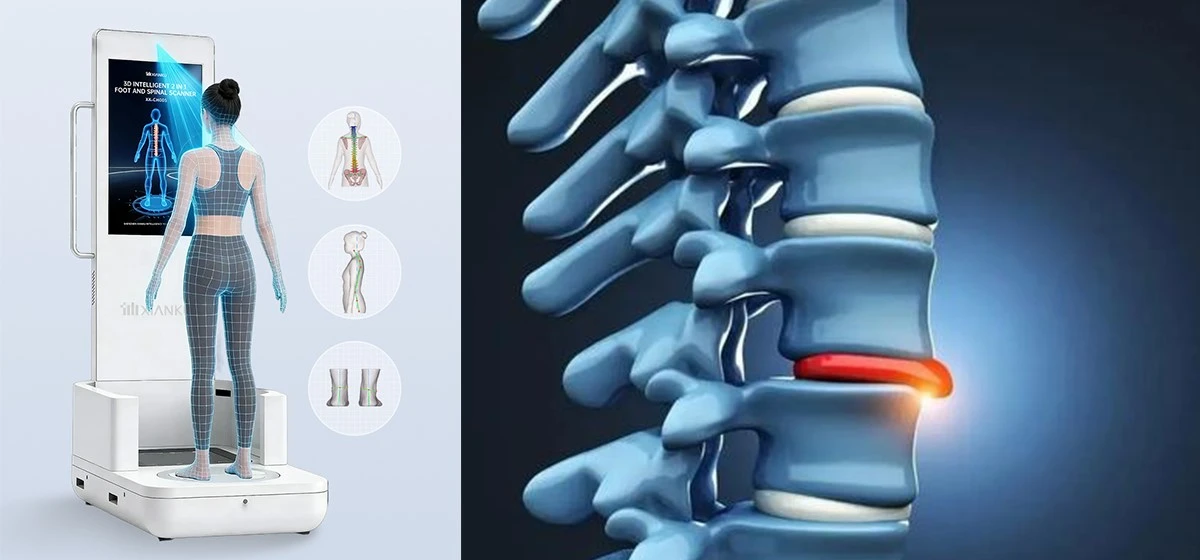
What Is Chiropractic Outcome Assessment?
Chiropractic Outcome Assessment is the structured evaluation of treatment effectiveness using a combination of objective measurements, functional tests, and patient-reported outcomes.
A professional assessment system should answer four key questions:
- Has spinal function improved?
- Has movement quality changed?
- Has pain or discomfort decreased?
- Has the patient's daily function improved?
By answering these questions with data, chiropractic clinics strengthen both clinical and business decision-making.
Key Methods Used in Chiropractic Outcome Assessment
Objective Clinical Measures
| Measurement Type | What It Evaluates | Business Value |
|---|---|---|
| Range of Motion (ROM) | Joint mobility improvement | Quantifiable progress |
| Postural Metrics | Structural alignment changes | Visual patient education |
| Gait Analysis | Functional movement patterns | Broader functional insight |
| Strength Testing | Muscular support changes | Rehab validation |
Patient-Reported Outcome Measures (PROMs)
PROMs are standardized questionnaires that measure how patients perceive their own improvement.
Common PROM categories include:
- Pain intensity scales
- Disability indices
- Activity limitation surveys
- Quality of life scores
These tools are a core component of modern Chiropractic Outcome Assessment because they document patient-centered results.

Functional and Postural Reassessment Protocols
One of the most effective ways to implement Chiropractic Outcome Assessment is through scheduled reassessment milestones.
Typical Reassessment Structure
| Reassessment Point | Purpose |
|---|---|
| Initial Baseline | Establish starting condition |
| Mid-Care Review | Adjust care plan if needed |
| End-of-Care | Measure treatment effectiveness |
| Maintenance Review | Support long-term retention |
This structured approach improves transparency and supports ethical care recommendations.
Business Benefits of Chiropractic Outcome Assessment
For chiropractic business owners, outcome assessment is more than clinical-it is strategic.
How Outcome Assessment Supports Growth
- Improves case acceptance through visualized progress
- Increases patient retention
- Strengthens referral confidence
- Supports compliance and documentation
- Enhances professional credibility
Clinics that implement structured Chiropractic Outcome Assessment are better positioned to differentiate themselves in crowded markets.
Risk Management and Ethical Standards
EEAT-aligned chiropractic practice requires responsible communication of outcomes. Clinics should avoid:
- Overstating guaranteed results
- Relying only on subjective feedback
- Failing to document reassessment findings
Proper Chiropractic Outcome Assessment protects both patients and clinic owners by providing clear evidence of care effectiveness or the need for care plan modification.
The Future of Chiropractic Outcome Assessment
Modern chiropractic is moving toward:
- Digital posture analysis
- Standardized movement scoring
- Data-driven care plans
- Integrated reporting systems
These trends are reshaping how Chiropractic Outcome Assessment is performed, documented, and communicated to patients.
Chiropractic Outcome Assessment as a Clinical and Business Standard
For modern chiropractic clinics, Chiropractic Outcome Assessment is no longer optional-it is a foundational component of professional practice.
By combining objective measurement, patient-reported outcomes, and structured reassessment protocols, chiropractic institutions can:
- Improve treatment quality
- Strengthen patient trust
- Support long-term business growth
- Enhance professional credibility
When implemented correctly, Chiropractic Outcome Assessment transforms chiropractic from a perceived manual service into a measurable, results-driven healthcare model-aligned with the expectations of today's informed patients and healthcare partners.