Sleep is no longer viewed as a passive state of rest. In modern health science and consumer behavior, sleep quality is recognized as a core pillar of physical recovery, cognitive performance, emotional regulation, and long-term wellness. For mattress and pillow brands, this shift represents both a responsibility and a powerful opportunity. At the center of this transformation lies Sleep Hygiene-a concept that connects sleep behavior, sleep environment, and sleep support systems into a measurable, improvable experience.
This article explores the most common factors that disrupt sleep, the real consequences of unhealthy sleep patterns, and-most importantly-how mattress and pillow brands can become active contributors to better Sleep Hygiene through evidence-based sleep support solutions.
Understanding Sleep Hygiene in a Commercial Context
Sleep Hygiene refers to a set of environmental, behavioral, and physiological practices that promote consistent, high-quality sleep. While often discussed from a lifestyle perspective, Sleep Hygiene has increasingly become a product-driven and environment-driven conversation-especially within the bedding and sleep solutions industry.
For mattress and pillow brands, Sleep Hygiene is not about claiming to "fix sleep," but about supporting the body's natural sleep mechanics through proper spinal alignment, pressure distribution, and adaptive comfort. When applied correctly, Sleep Hygiene transforms bedding from a commodity into a health-support system.
Key Factors That Disrupt Sleep Quality
Modern sleep disruption is rarely caused by a single issue. Instead, it is the result of overlapping physical, environmental, and behavioral stressors. Understanding these factors is essential for brands that want to position their products within the Sleep Hygiene ecosystem.
Table 1: Primary Factors Affecting Sleep Quality
| Category | Sleep Disruptor | Impact on Sleep Hygiene |
|---|---|---|
| Physical | Poor spinal alignment | Muscle tension, micro-awakenings |
| Physical | Inadequate pressure relief | Reduced deep sleep duration |
| Environmental | Mattress firmness mismatch | Circulation restriction, discomfort |
| Environmental | Pillow height imbalance | Neck strain, airway compression |
| Behavioral | Irregular sleep schedule | Circadian rhythm disruption |
| Behavioral | Excessive screen exposure | Delayed melatonin release |
Inadequate bedding support is one of the most underestimated contributors to poor Sleep Hygiene, especially among adults who spend 7–9 hours each night in static positions.
The Hidden Dangers of Unhealthy Sleep
Chronic poor sleep does not simply cause fatigue-it triggers a cascade of health, productivity, and emotional consequences. From a commercial perspective, consumers increasingly associate these risks with their sleep environment, making Sleep Hygiene a key driver of purchasing decisions.
Health Risks Associated with Poor Sleep Hygiene
- Increased musculoskeletal pain, particularly in the neck, shoulders, and lower back
- Impaired immune function and slower recovery
- Higher stress hormone levels and emotional instability
- Reduced cognitive performance and daytime alertness
- Long-term metabolic and cardiovascular strain
When mattresses and pillows fail to support Sleep Hygiene, even healthy sleep habits may not compensate for biomechanical misalignment during rest.
Why Mattresses and Pillows Are Central to Sleep Hygiene
While lifestyle advice often dominates the Sleep Hygiene conversation, the physical sleep surface remains the most consistent and controllable variable. Consumers may change their bedtime routines, but they spend one-third of their lives on the same mattress and pillow.
A well-designed mattress and pillow system directly influences:
- Neutral spinal alignment
- Pressure redistribution across contact points
- Muscle relaxation during deep sleep stages
- Respiratory comfort and airway openness
For brands, this means Sleep Hygiene should be engineered-not just marketed.
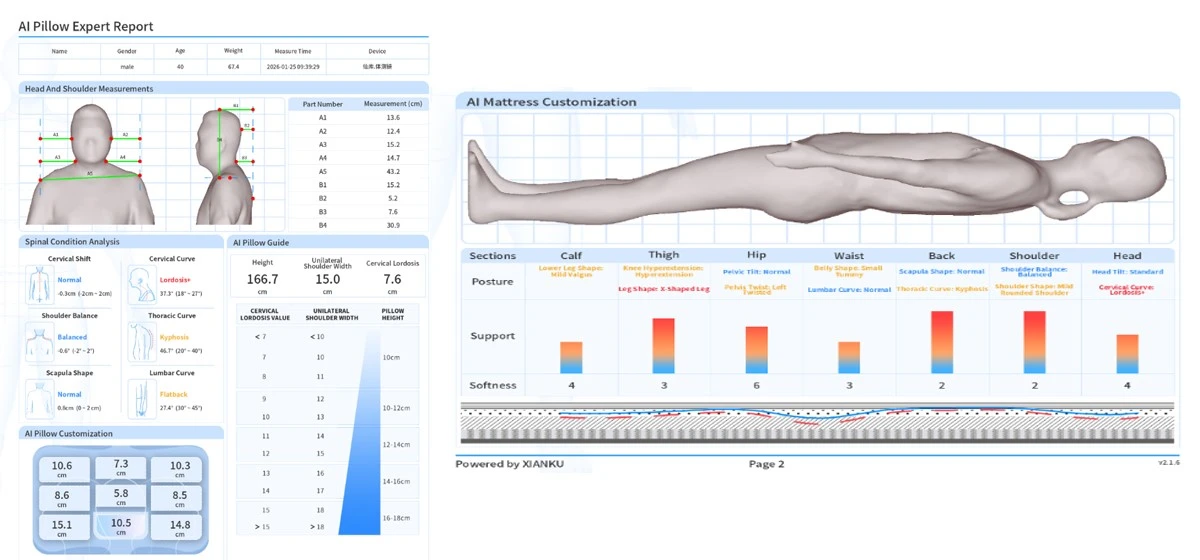
Mattress Design and Sleep Hygiene Optimization
The mattress acts as the foundation of Sleep Hygiene. Its role is to support the spine's natural curvature while adapting to individual body shapes and sleep positions.
Table 2: Mattress Support Features and Sleep Hygiene Outcomes
| Mattress Feature | Sleep Hygiene Benefit | Consumer Value |
|---|---|---|
| Zoned support layers | Balanced spinal alignment | Reduced back pain |
| Adaptive foam or hybrid cores | Pressure redistribution | Longer deep sleep |
| Motion isolation | Fewer sleep interruptions | Improved sleep continuity |
| Breathable materials | Thermal regulation | Faster sleep onset |
Mattress brands that align product development with Sleep Hygiene principles can move beyond comfort claims and toward functional sleep health positioning.
Pillow Support: The Overlooked Sleep Hygiene Accelerator
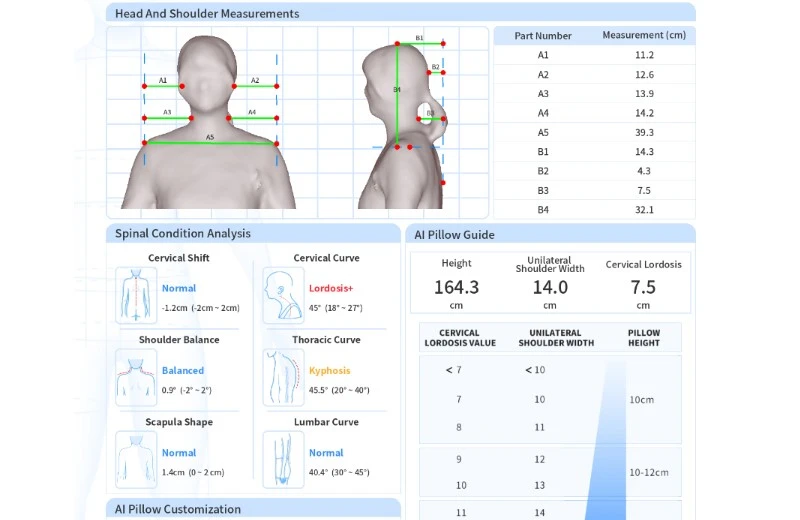
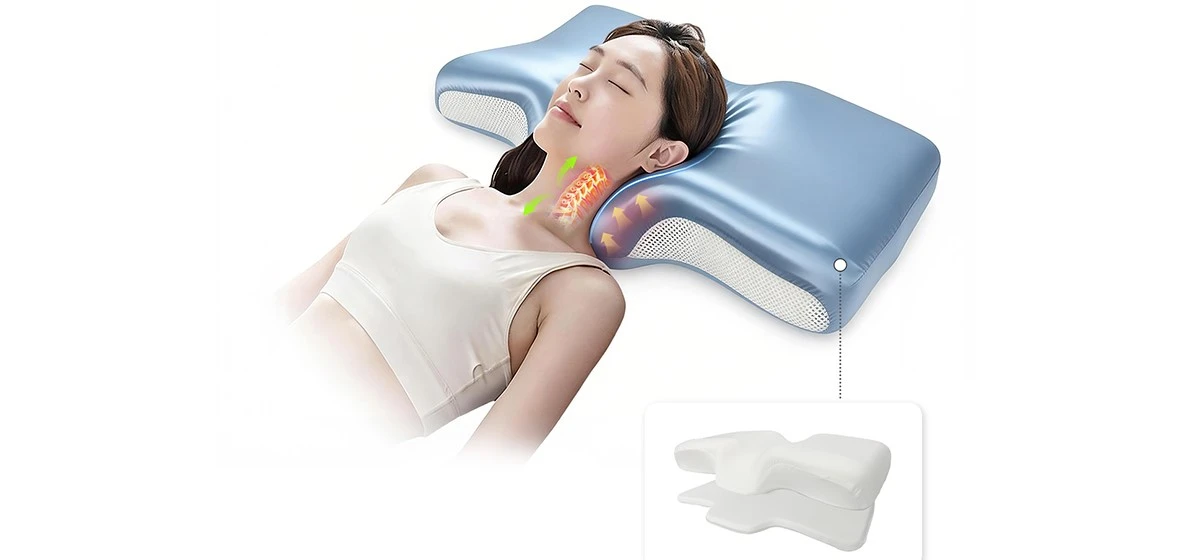
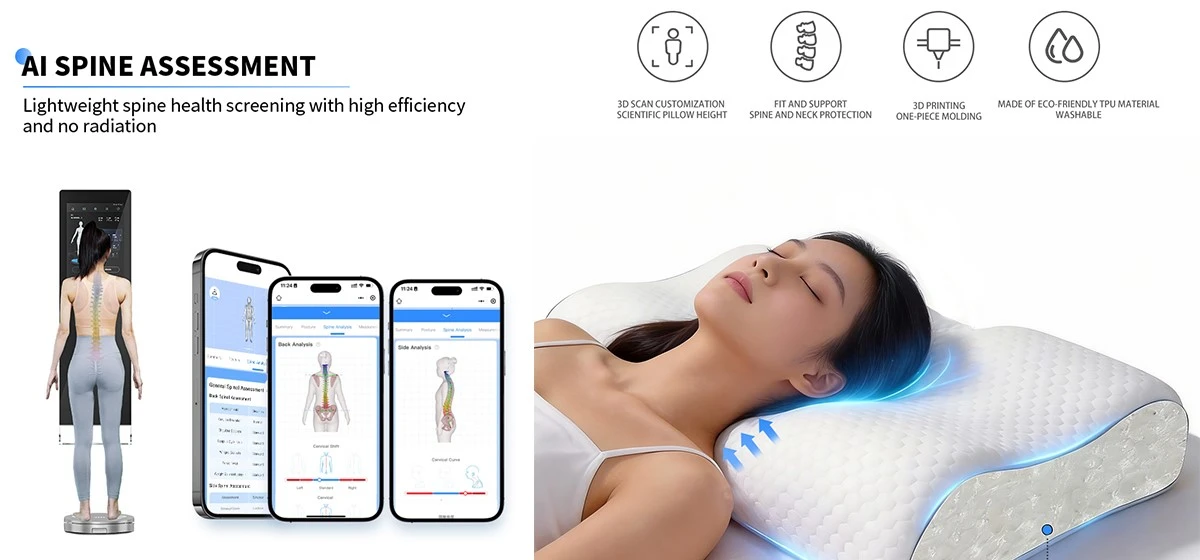
While mattresses receive most of the attention, pillows play a critical role in maintaining cervical alignment-a key component of Sleep Hygiene. An incorrect pillow height can negate the benefits of even the most advanced mattress.
Pillow Design Factors That Affect Sleep Hygiene
- Height (Loft): Must match shoulder width and sleep position
- Shape: Contoured designs support cervical curvature
- Material Responsiveness: Maintains support through movement
- Breathability: Prevents overheating and restlessness
Table 3: Pillow Selection by Sleep Position
| Sleep Position | Ideal Pillow Profile | Sleep Hygiene Impact |
|---|---|---|
| Back sleepers | Medium loft, cervical support | Neutral neck alignment |
| Side sleepers | Higher loft, firmer core | Reduced shoulder pressure |
| Combination sleepers | Adaptive, responsive fill | Stable alignment through movement |
For pillow brands, educating consumers on Sleep Hygiene through correct pillow selection is a powerful trust-building strategy.
Three Proven Ways to Improve Sleep Hygiene
From a consumer education and brand communication perspective, effective Sleep Hygiene strategies should be simple, actionable, and product-aligned.
1. Build a Supportive Sleep System
Rather than selling mattresses and pillows as standalone items, brands should promote integrated sleep systems designed to work together for optimal Sleep Hygiene.
2. Encourage Posture-Aware Sleep
Educating customers about sleep posture and alignment reinforces the role of bedding in maintaining Sleep Hygiene, especially for side and back sleepers.
3. Optimize the Sleep Environment
Temperature regulation, pressure relief, and motion control all contribute to Sleep Hygiene, and should be clearly connected to product features rather than abstract wellness claims.
Sleep Hygiene as a Brand Growth Strategy
For mattress and pillow brands, Sleep Hygiene is more than a health concept-it is a framework for product innovation, customer education, and long-term differentiation. Brands that align with Sleep Hygiene principles gain:
- Higher perceived expertise and authority
- Increased customer trust and retention
- Stronger justification for premium positioning
- Clear differentiation in a crowded market
By grounding product messaging in real sleep mechanics and evidence-based Sleep Hygiene, brands can shift the conversation from "soft vs. firm" to "supported vs. unsupported."
From Products to Sleep Solutions
Healthy sleep is not accidental-it is designed. Sleep Hygiene provides mattress and pillow brands with a scientifically grounded, consumer-relevant language to communicate value beyond aesthetics or short-term comfort.
When mattresses and pillows actively support spinal alignment, pressure balance, and physiological recovery, they become essential tools for better Sleep Hygiene-and trusted partners in long-term health.
For brands willing to lead with education, evidence, and ergonomics, Sleep Hygiene is not just a keyword-it is the future of the sleep industry.