Introduction
Back and neck pain are among the most common musculoskeletal complaints worldwide, affecting millions of adults across different age groups and professions. One of the most frequent underlying causes is a herniated disc, a condition that can significantly impair mobility, quality of life, and work performance. As awareness of spinal health continues to grow, Herniated Disc Assessment has become a critical focus not only in medical settings but also in chiropractic clinics, spinal rehabilitation centers, and commercial health businesses.
This article provides an in-depth, evidence-based overview of what a herniated disc is, its risks and consequences, and how Herniated Disc Assessment is performed across medical, clinical, and commercial environments. It also explores correction strategies and explains how spinal health professionals can ethically and sustainably monetize services related to herniated disc management in healthcare markets.
What Is a Herniated Disc?
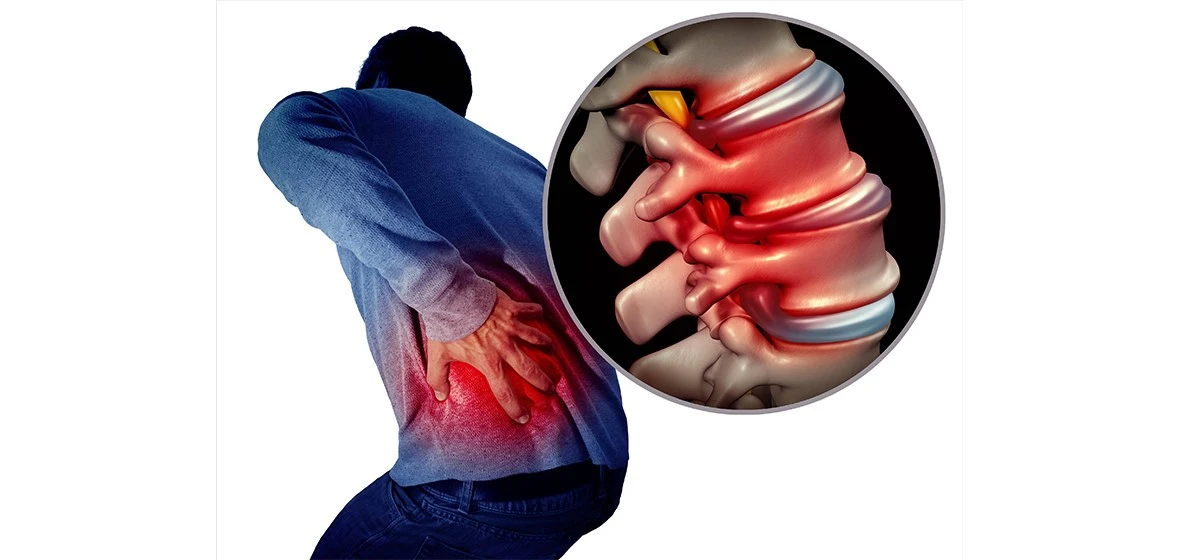
The human spine is composed of vertebrae separated by intervertebral discs, which act as shock absorbers and allow flexibility. Each disc consists of a soft, gel-like center (the nucleus pulposus) surrounded by a tougher outer layer (the annulus fibrosus). A herniated disc occurs when the nucleus pulposus protrudes or leaks through a weakened or torn annulus.
Herniated discs most commonly occur in the lumbar (lower back) and cervical (neck) regions. While aging and natural degeneration are major contributors, repetitive stress, poor posture, improper lifting techniques, prolonged sitting, and traumatic injuries can accelerate disc damage. Accurate Herniated Disc Assessment is essential to determine the severity, location, and functional impact of the condition.
Health Risks and Consequences of a Herniated Disc
Without proper intervention, a herniated disc can lead to both localized and systemic problems. The protruding disc material may compress nearby spinal nerves, causing symptoms that extend far beyond back pain.
Common risks include:
- Chronic neck or lower back pain
- Radiating pain into the arms or legs (radiculopathy)
- Numbness or tingling in the extremities
- Muscle weakness and reduced coordination
- Limited spinal mobility and functional decline
In severe cases, untreated disc herniation can contribute to long-term nerve damage, gait abnormalities, or loss of bladder and bowel control. From both a clinical and business perspective, early and structured Herniated Disc Assessment plays a key role in prevention, risk stratification, and outcome optimization.
Medical-Level Herniated Disc Assessment
Medical assessment focuses on diagnosing structural pathology and neurological involvement. These methods are typically performed in hospitals, orthopedic departments, and neurology clinics.
Key Medical Assessment Methods
| Assessment Method | Purpose | Advantages | Limitations |
|---|---|---|---|
| MRI (Magnetic Resonance Imaging) | Visualize disc structure and nerve compression | High accuracy, non-invasive | High cost, limited accessibility |
| CT Scan | Detailed bone and disc imaging | Useful when MRI is contraindicated | Radiation exposure |
| Neurological Examination | Evaluate reflexes, strength, sensation | Functional insight | Examiner-dependent |
Medical Herniated Disc Assessment is essential for ruling out red flags, determining surgical indications, and guiding pharmacological or interventional treatment plans.
Clinical and Chiropractic Herniated Disc Assessment
In chiropractic clinics, physical therapy centers, and spinal rehabilitation practices, assessment emphasizes function, movement quality, and biomechanical stress rather than imaging alone.
Common Clinical Assessment Approaches
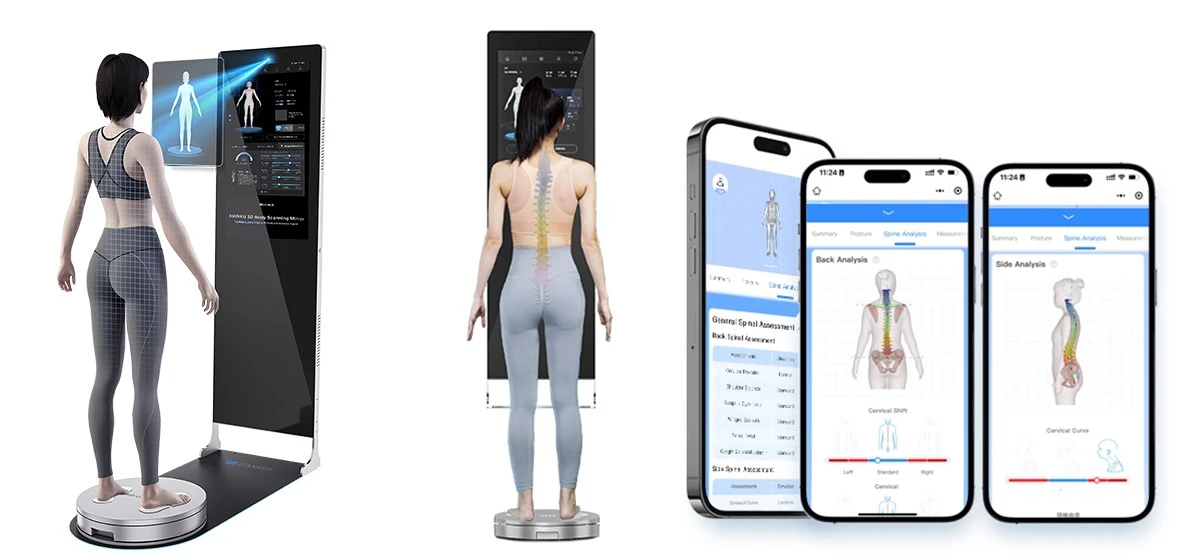
- Postural analysis (standing and dynamic)
- Range of motion testing
- Orthopedic tests such as Straight Leg Raise or Spurling's Test
- Palpation and segmental mobility assessment
These approaches help practitioners understand how posture, spinal alignment, and movement patterns contribute to disc loading. A functional Herniated Disc Assessment allows clinicians to design personalized, conservative correction programs without immediately relying on imaging.
Digital and Commercial Herniated Disc Assessment
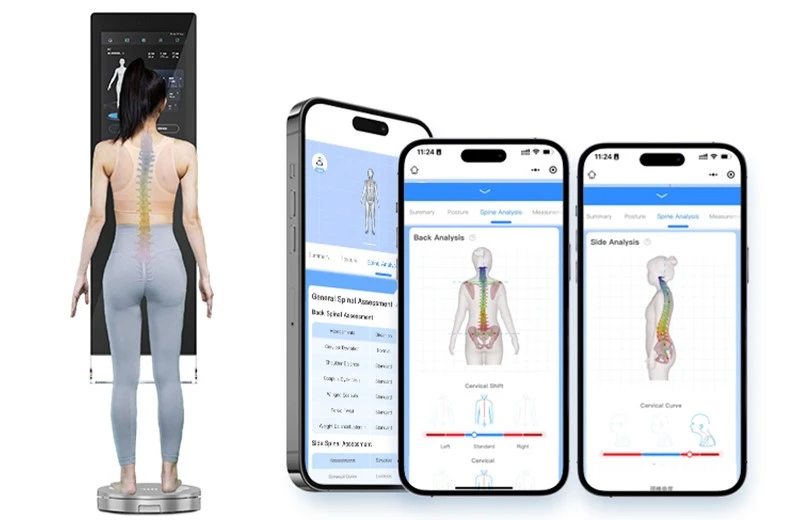
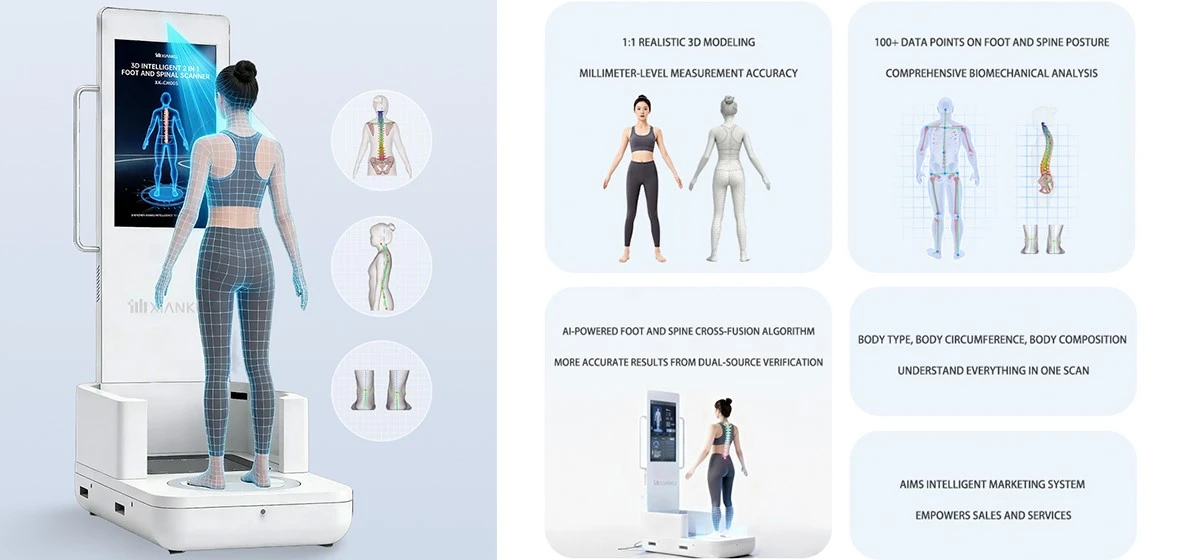
With advancements in health technology, digital posture and spinal analysis tools have become increasingly popular in commercial environments. These systems offer fast, non-invasive, and visually engaging Herniated Disc Assessment experiences.
| Assessment Type | Application Scenario | Commercial Value |
| 3D Spinal Posture Analysis | Clinics, wellness centers | High client engagement |
| Movement & Load Distribution Analysis | Rehab and sports settings | Preventive education |
| AI-Based Risk Screening | Retail and health chains | Scalable service model |
Digital Herniated Disc Assessment does not replace medical diagnosis but complements it by enhancing education, compliance, and long-term care planning.
Correction and Management Strategies
Correction strategies for herniated discs depend on severity, symptoms, and individual lifestyle factors. In Western healthcare systems, conservative management is often the first-line approach.
Non-Surgical Correction Methods
- Targeted spinal mobilization and manipulation
- Core stabilization and corrective exercise programs
- Postural re-education and ergonomic coaching
- Decompression therapy and traction
Surgical intervention may be considered when conservative methods fail or when neurological deficits progress. Regardless of the approach, ongoing Herniated Disc Assessment is critical for tracking outcomes and adjusting care plans.
Business Monetization Opportunities in Spinal Health
Herniated disc-related conditions represent a long-term care market rather than a one-time service. Clinics and spinal health businesses can ethically monetize Herniated Disc Assessment by offering structured, value-driven solutions.
Practical Monetization Models
| Business Model | Description | Revenue Potential |
| Initial Assessment Packages | Comprehensive posture and function screening | High conversion rate |
| Care Plan Programs | Multi-week correction plans | Predictable income |
| Preventive Memberships | Ongoing monitoring and education | Long-term retention |
By positioning Herniated Disc Assessment as the foundation of care rather than a standalone test, clinics can increase trust, outcomes, and lifetime client value.
Building Trust Through EEAT Principles
To align with EEAT (Experience, Expertise, Authoritativeness, Trustworthiness) standards, spinal health businesses should:
- Clearly differentiate screening from diagnosis
- Use evidence-based language and protocols
- Present transparent pricing and expectations
- Educate clients with visual, easy-to-understand reports
Consistent and professional Herniated Disc Assessment practices reinforce credibility and support ethical growth in competitive Western healthcare markets.
Conclusion
Herniated discs are complex conditions with structural, functional, and lifestyle dimensions. Effective Herniated Disc Assessment bridges the gap between medical diagnosis, clinical correction, and commercial health services. By combining traditional clinical expertise with modern digital tools, spinal clinics and chiropractic practices can deliver measurable value while building sustainable business models.
In an era where preventive care and patient education are increasingly prioritized, structured Herniated Disc Assessment is not only a clinical necessity but also a strategic asset for spinal health professionals committed to long-term success.