Introduction
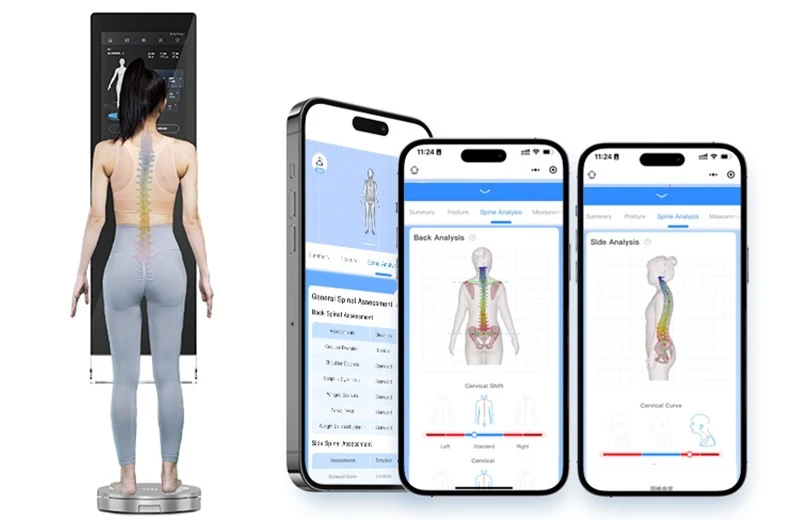
Posterior pelvic tilt is a common yet often underestimated postural deviation that affects spinal alignment, lower-limb biomechanics, and overall functional movement. In both clinical and commercial health settings, Posterior Pelvic Tilt assessment has become an essential entry point for identifying movement dysfunction, preventing chronic pain, and delivering measurable corrective outcomes. As posture-focused services continue to grow across Western markets, understanding how to assess, correct, and monetize posterior pelvic tilt is increasingly valuable for spinal clinics, chiropractic centers, posture studios, and body aesthetics businesses.
This article provides a comprehensive, evidence-informed overview of posterior pelvic tilt, its risks, Posterior Pelvic Tilt assessment methods across medical and commercial contexts, correction strategies, and business monetization models aligned with European and North American practices.
What Is Posterior Pelvic Tilt?
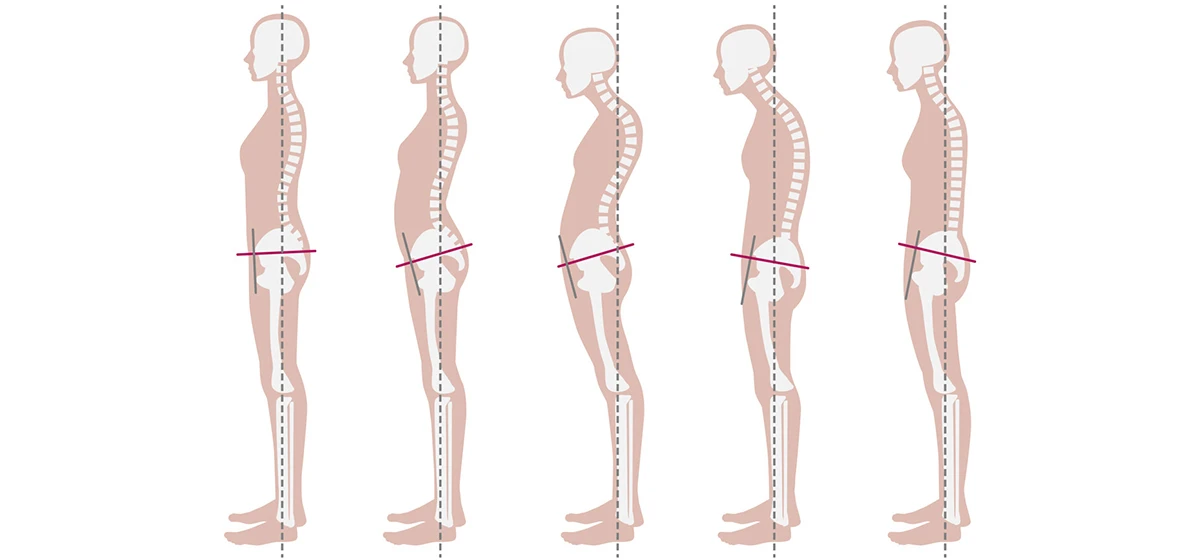
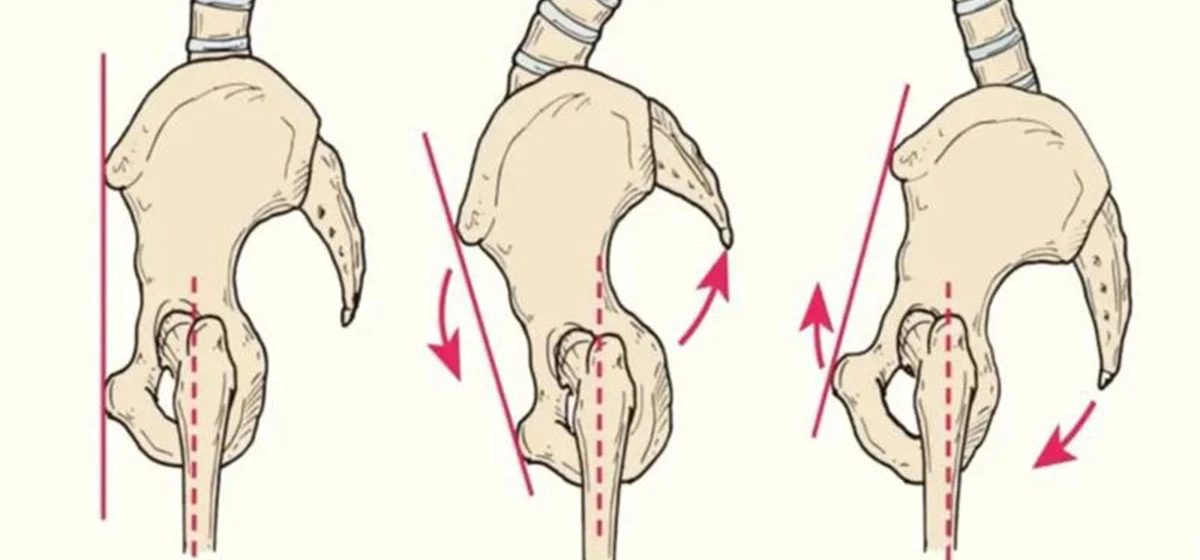
Posterior pelvic tilt occurs when the pelvis rotates backward relative to the femur and lumbar spine. Anatomically, this movement reduces lumbar lordosis and shifts the pelvis into a flattened or tucked position. In a neutral pelvis, the anterior superior iliac spine (ASIS) and posterior superior iliac spine (PSIS) maintain relative balance. In posterior pelvic tilt, the PSIS sits higher than the ASIS when viewed laterally.
From a functional standpoint, posterior pelvic tilt is often associated with prolonged sitting, inadequate hip mobility, weak lumbar extensors, and overactive abdominal or gluteal musculature. Accurate Posterior Pelvic Tilt assessment allows practitioners to distinguish structural causes from functional or behavioral contributors.

Risks and Functional Consequences of Posterior Pelvic Tilt
If left unaddressed, posterior pelvic tilt can contribute to a wide range of musculoskeletal and functional problems:
- Reduced lumbar shock absorption due to flattened spinal curves
- Chronic low back pain and disc compression
- Altered hip joint loading and limited hip extension
- Compensatory thoracic kyphosis and forward head posture
- Reduced athletic performance and gait inefficiency
From a preventive health perspective, early Posterior Pelvic Tilt assessment supports long-term spinal resilience and reduces the likelihood of secondary compensations along the kinetic chain.
Medical and Clinical Posterior Pelvic Tilt Assessment Methods
In medical and rehabilitation environments, Posterior Pelvic Tilt assessment emphasizes diagnostic accuracy, repeatability, and clinical validation.
Common Medical Assessment Methods
| Assessment Method | Description | Clinical Strengths | Limitations |
|---|---|---|---|
| Radiographic Imaging | X-ray or MRI measurement of pelvic angle | High anatomical accuracy | Cost, radiation exposure |
| Goniometric Pelvic Angle Measurement | Manual angle measurement between ASIS and PSIS | Low cost, accessible | Operator-dependent |
| Palpation and Postural Observation | Visual and tactile pelvic landmark assessment | Fast clinical screening | Subjective variability |
Medical-grade Posterior Pelvic Tilt assessment is typically reserved for patients with persistent pain, post-surgical needs, or neurological involvement.
Clinic and Practice-Level Posterior Pelvic Tilt Assessment
In spinal clinics, chiropractic offices, and physiotherapy centers, Posterior Pelvic Tilt assessment must balance accuracy with efficiency and patient communication.
Widely Used Clinic Assessment Techniques
- Static posture analysis using standardized postural grids
- Functional movement screening (squat, hinge, gait analysis)
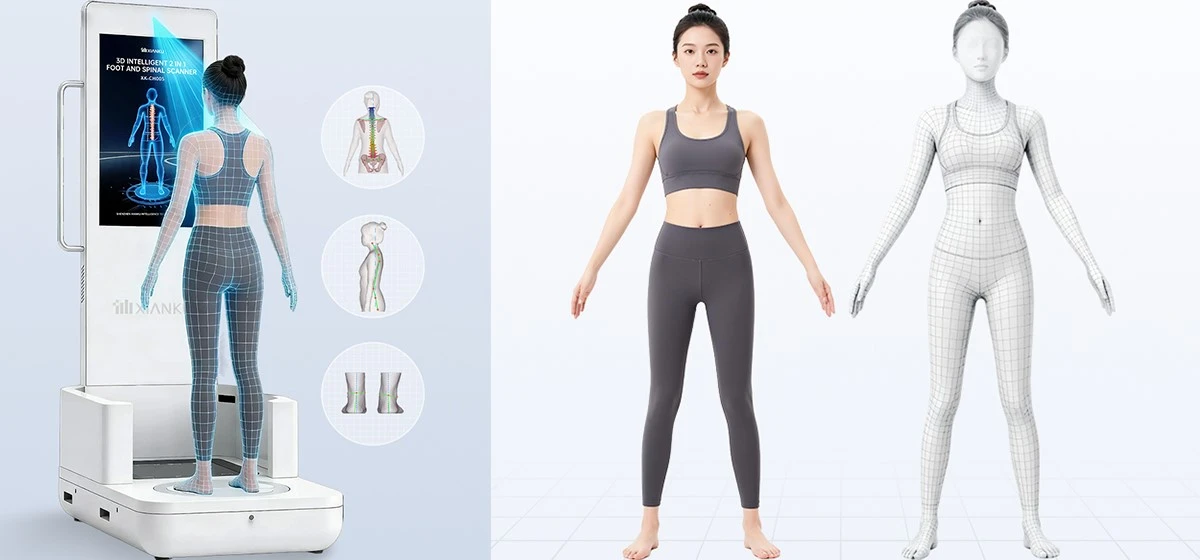
- Digital posture assessment systems with pelvic angle modeling
These methods allow clinicians to visually demonstrate pelvic orientation to clients, improving understanding and treatment adherence. Clear visualization significantly enhances the perceived value of Posterior Pelvic Tilt assessment in private practice settings.
Commercial and Digital Posterior Pelvic Tilt Assessment
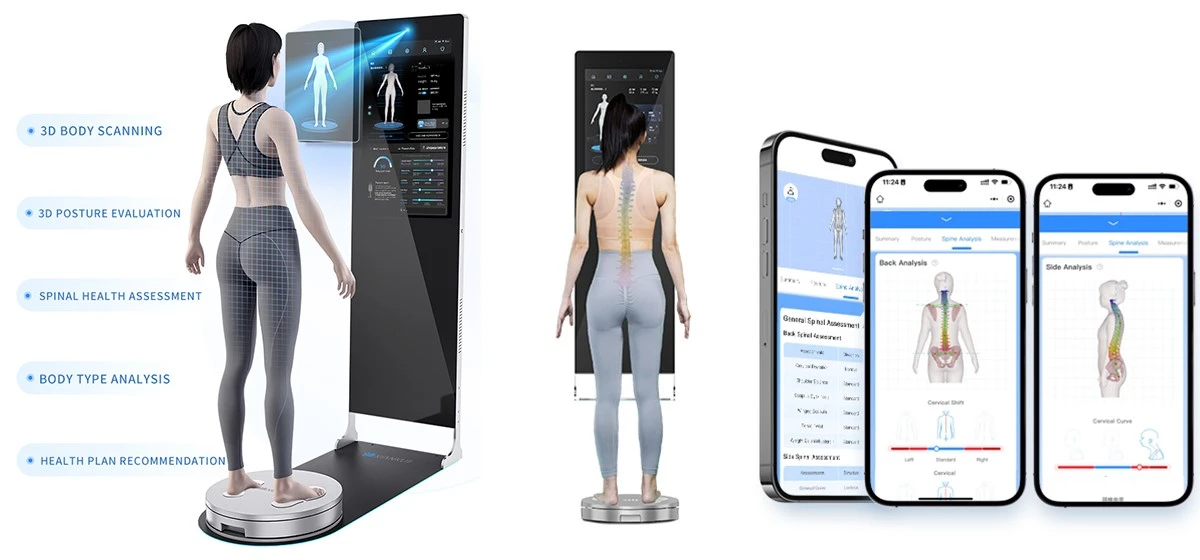
In commercial posture management, body aesthetics, and wellness environments, Posterior Pelvic Tilt assessment focuses on scalability, visualization, and data-driven reporting rather than diagnosis.
Commercial Assessment Characteristics
| Feature | Commercial Application Value |
| Non-contact measurement | Safe and efficient client experience |
| Visual posture reports | Strong educational and sales conversion |
| Repeatable data tracking | Supports long-term programs and retention |
Advanced 3D posture and spinal assessment technologies enable fast, standardized Posterior Pelvic Tilt assessment without invasive procedures. These tools are widely adopted across European and North American posture studios, fitness chains, and corrective exercise brands.
Corrective Strategies for Posterior Pelvic Tilt
Effective correction requires individualized intervention based on Posterior Pelvic Tilt assessment findings.
Core Correction Approaches
1. Mobility Restoration
- Gentle lumbar extension mobility drills
- Hip flexor lengthening when adaptive shortening is present
2. Muscle Rebalancing
- Strengthening lumbar extensors and hip flexors
- Reducing overactivity in hamstrings and abdominals
3. Postural Re-education
- Seated and standing pelvic neutral training
- Workplace ergonomics coaching
4. Manual Therapy and Chiropractic Care
- Joint mobilization to restore pelvic-lumbar rhythm
Each correction plan should be guided by periodic Posterior Pelvic Tilt assessment to quantify progress and refine protocols.
Commercial Monetization of Posterior Pelvic Tilt Assessment
Posterior pelvic tilt represents a highly monetizable postural issue when paired with structured assessment and correction programs.
High-Value Business Applications
| Industry | Monetization Model | Revenue Opportunity |
| Spinal Clinics | Assessment-driven treatment packages | Medium to high-ticket care plans |
| Chiropractic Centers | Re-assessment-based care cycles | Improved retention and compliance |
| Body Aesthetics Studios | Posture improvement programs | Premium visual transformation packages |
| Posture & Movement Studios | Subscription-based posture monitoring | Recurring revenue |
In Western markets, clients increasingly expect objective data. A professional Posterior Pelvic Tilt assessment provides the measurable foundation needed to justify premium pricing.
Building a Scalable Assessment-to-Solution Funnel
Successful businesses do not sell posture correction alone-they sell clarity, evidence, and outcomes. Posterior Pelvic Tilt assessment functions as the gateway product that leads into:
- Personalized corrective exercise programs
- Manual therapy or chiropractic care plans
- Long-term posture management subscriptions
- Cross-selling of orthotics, ergonomic tools, or movement coaching
Repeated Posterior Pelvic Tilt assessment at defined intervals reinforces trust, demonstrates progress, and significantly increases lifetime customer value.
Conclusion
Posterior pelvic tilt is more than a postural deviation-it is a strategic entry point for clinical care and commercial growth. Across medical, clinical, and business environments, structured Posterior Pelvic Tilt assessment enables accurate identification, effective correction, and sustainable monetization.
For spinal clinics, chiropractic institutions, posture studios, and body aesthetics brands, investing in professional Posterior Pelvic Tilt assessment systems and education transforms posture analysis from a subjective observation into a scalable, data-driven business asset.
When assessment, correction, and communication align, posterior pelvic tilt becomes not only treatable-but commercially valuable.