Introduction: The Comfortable Sitting Habit That May Affect Your Body
Crossing your legs while sitting is one of the most common habits in everyday life.
You may do it while working at your desk, watching television, having coffee with friends, or sitting in a meeting. For many people, crossing one leg over the other feels more comfortable and relaxed than keeping both feet flat on the ground.
But have you ever wondered what happens inside your body when you stay in this position for a long time?
Although crossing your legs occasionally is not considered harmful for most healthy people, spending hours in the same asymmetrical sitting position may influence your pelvic alignment, muscle balance, and overall posture.
The human body is designed to maintain balance. When one part of the body changes position, other parts often adjust to compensate. Over time, repeated posture habits can shape the way we sit, stand, and move.
So, does crossing your legs hurt your back?

The answer is not as simple as "yes" or "no." The real question is:
How often do you do it, how long do you stay in that position, and how does your body respond?
Why Do People Like Crossing Their Legs?
Before understanding the potential effects, it is important to understand why this posture feels comfortable.
Crossing your legs changes the position of your hips and pelvis, which can create a feeling of relaxation for some people. It may temporarily reduce muscle tension and provide a sense of stability while sitting.
There are also psychological and behavioral reasons.
Many people develop this habit unconsciously because:
They have done it for years.
It feels more comfortable than sitting straight.
It becomes part of their normal sitting pattern.
They are looking for a more relaxed posture.
However, comfort does not always mean optimal support.
A position that feels comfortable for a few minutes may create imbalance when maintained for several hours.
This is similar to wearing shoes that feel comfortable initially but do not provide proper support during long periods of walking.
What Happens Inside Your Body When You Cross Your Legs?
Your body is an interconnected system:
- Your feet support your legs.
- Your legs connect to your pelvis.
- Your pelvis supports your spine.
- Your spine influences your shoulders, neck, and head position.
A small change in one area can create adjustments throughout the entire body.
1. Pelvic Rotation: The Foundation of Your Spine May Shift
The pelvis plays a critical role in maintaining spinal alignment.
When you sit with both feet flat on the floor, your body weight is generally distributed more evenly between both sides of your pelvis.
However, when you cross one leg over the other, your hips are placed in an uneven position.
This may cause:
- Slight pelvic rotation
- Unequal pressure distribution
- Different muscle activation between both sides
Because the spine sits on top of the pelvis, changes in pelvic position can influence how your spine maintains balance.
The body naturally tries to compensate.
If your pelvis shifts slightly to one side, your spine may adjust above it to keep your eyes level and maintain stability.
This process is called postural compensation.
2. Spinal Alignment: How Your Body Adjusts to Imbalance
The spine is not a rigid structure.
It is a dynamic system made of bones, discs, muscles, and connective tissues that constantly respond to movement and posture.
When your sitting position becomes uneven, different parts of your spine may adjust.
For example:
- The lower back may change its natural curve.
- The upper body may lean slightly.
- The shoulders may become uneven.
- The neck may compensate to maintain head position.
This does not mean that crossing your legs will immediately damage your spine.
The human body is adaptable.
The concern comes from repeated habits combined with long periods of inactivity.
A posture repeated thousands of times can influence movement patterns.
3. Muscle Imbalance: Why One Side May Feel Different
Muscles work together to keep your body stable.
When you repeatedly sit in the same position, some muscles may become tighter while others become less active.
Common areas affected by prolonged sitting habits include:
- Hip Muscles
Crossing your legs changes the position of your hip joint. Over time, some people may experience tightness around the hips.
- Lower Back Muscles
The lower back often works together with the pelvis to maintain posture. Uneven sitting positions may increase muscular effort.
- Core Muscles
Your core helps stabilize your spine. Long periods of poor sitting posture may reduce the efficiency of these stabilizing muscles.
Possible signs of imbalance may include:
- Feeling stiff after sitting
- One side feeling tighter than the other
- Discomfort after long periods of sitting
- Difficulty maintaining an upright posture
Does Crossing Your Legs Really Cause Back Pain?
This is one of the most common questions people ask.
The accurate answer is:
Crossing your legs alone does not automatically cause back pain.
Many healthy people cross their legs regularly without developing serious problems.
However, it may contribute to discomfort when combined with other factors, including:
- Sitting for many hours without movement
- Poor overall posture
- Weak supporting muscles
- Previous injuries
- Lack of physical activity
The bigger issue is not one specific posture.
The bigger issue is spending too much time in the same position.
Your body was designed for movement, not for remaining still all day.

The Bigger Problem: Modern Sitting Lifestyle
Today, many people spend more time sitting than ever before.
A typical modern lifestyle includes:
- Sitting at a computer for work
- Driving for transportation
- Looking down at smartphones
- Watching screens during leisure time
This creates a situation where the human body spends many hours in static positions.
Common posture patterns include:
Forward Head Posture
When looking down at phones or computers, the head moves forward relative to the spine.
This increases stress on the neck and upper back.
Rounded Shoulders
Long periods of sitting may encourage the shoulders to move forward.
Slouched Sitting
Poor sitting habits can reduce the natural support provided by the spine.
The combination of these habits may have a greater impact on posture than occasional leg crossing.
5 Everyday Habits That May Affect Your Spine Health
1. Sitting Too Long Without Movement
Even a good sitting posture can become problematic when maintained for many hours.
Changing positions regularly helps reduce stress on specific areas.
2. Looking Down at Your Phone Frequently
The neck is designed to support the head in an upright position.
Repeated forward head posture may increase neck and shoulder tension.
3. Using the Wrong Pillow Height
Sleep is another important part of posture health.
A pillow that is too high or too low may affect neck alignment during sleep.
4. Wearing Unsupportive Footwear
Your feet are the foundation of your body.
Changes in foot structure and support can influence lower body alignment.
5. Ignoring Your Body's Warning Signs
Small discomforts are often signals that your body needs attention.
Examples include:
- Regular stiffness
- Uneven posture
- Frequent muscle tension
- Discomfort after sitting
Why Everyone's Posture Is Different
One important fact is often overlooked:
There is no single perfect posture that works for everyone.
Every person has different:
- Height
- Body proportions
- Muscle condition
- Lifestyle habits
- Movement patterns
Two people may sit in the same position but experience completely different results.
This is why personalized understanding of the human body is becoming increasingly important.
From Average Measurements to Personalized Health Solutions
For many years, health and lifestyle products have been designed using average measurements.
Average pillow sizes.
Average shoe sizes.
Average ergonomic recommendations.
But human bodies are not identical.
A solution that works well for one person may not provide the same support for another.
The future of wellness is moving toward personalization - using human body data to better understand individual needs.
How 3D Body Scanning Is Changing Posture Analysis
With advances in artificial intelligence and 3D scanning technology, understanding the human body is becoming more precise.
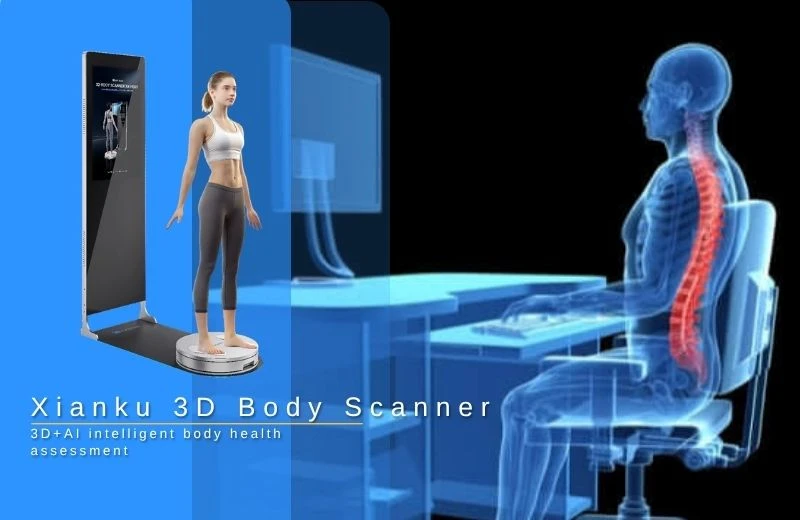
A 3D Body Scanner can capture detailed body information and create a digital representation of an individual's body structure.
This technology can help analyze:
- Body symmetry
- Posture characteristics
- Shoulder and hip balance
- Body alignment patterns
Compared with traditional visual assessment, digital body analysis provides a more objective way to understand posture.
The Future of Health: Understanding Your Body Through Data
The next generation of health and wellness will not only focus on treating discomfort.
It will focus on understanding the human body before problems develop.
Through technologies such as:
- 3D body scanning
- Artificial intelligence analysis
- Personalized recommendations
people can gain deeper insights into their own body characteristics.
From customized sleep solutions to personalized footwear and ergonomic products, human body data is becoming the foundation for smarter health experiences.

Conclusion: Your Daily Habits Shape Your Body
So, does crossing your legs hurt your back?
The answer depends on how you sit, how long you stay in that position, and your overall lifestyle.
Crossing your legs occasionally is unlikely to harm your spine.
However, paying attention to your daily posture habits is important because small behaviors repeated over time can influence how your body moves and feels.
Your posture tells a story about your body.
The more we understand that story through science, technology, and personalized data, the better we can create solutions designed for individual needs.
Because the future of health is not about finding one solution for everyone.
It is about understanding every body.
Frequently Asked Questions (FAQ)
-
Is sitting cross-legged bad for your spine?
Sitting cross-legged occasionally is generally not harmful. However, maintaining an uneven sitting position for long periods may contribute to muscle imbalance or discomfort.
-
How can I improve my sitting posture?
Try to:
Keep your feet supported
Avoid staying in one position too long
Adjust your desk setup
Take regular movement breaks
-
Can poor posture affect sleep quality?
Yes. Body alignment and muscle tension can influence comfort during sleep. Proper support based on individual body characteristics may improve sleeping comfort.
-
Can 3D scanning analyze posture?
Yes. 3D body scanning technology can capture body measurements and alignment information, helping provide a more detailed understanding of posture patterns.