

Forward head posture (FHP) has become one of the most common postural deviations in modern society. With prolonged screen time, sedentary work environments, and lifestyle habits that place constant strain on the cervical spine, the head gradually shifts forward from its natural alignment. This condition is no longer limited to office workers or older adults; it increasingly affects students, athletes, and health-conscious individuals alike.
Forward Head Posture correction is now a critical topic in posture management, preventive health, and movement-based wellness industries. This article provides an evidence-informed, practical overview of the causes, risks, assessment methods, and commercial solutions related to forward head posture, with a focus on yoga, Pilates, fitness training, posture management programs, and healthy sleep applications. The goal is to help professionals and consumers better understand why Forward Head Posture correction matters and how it can be applied in real-world settings.
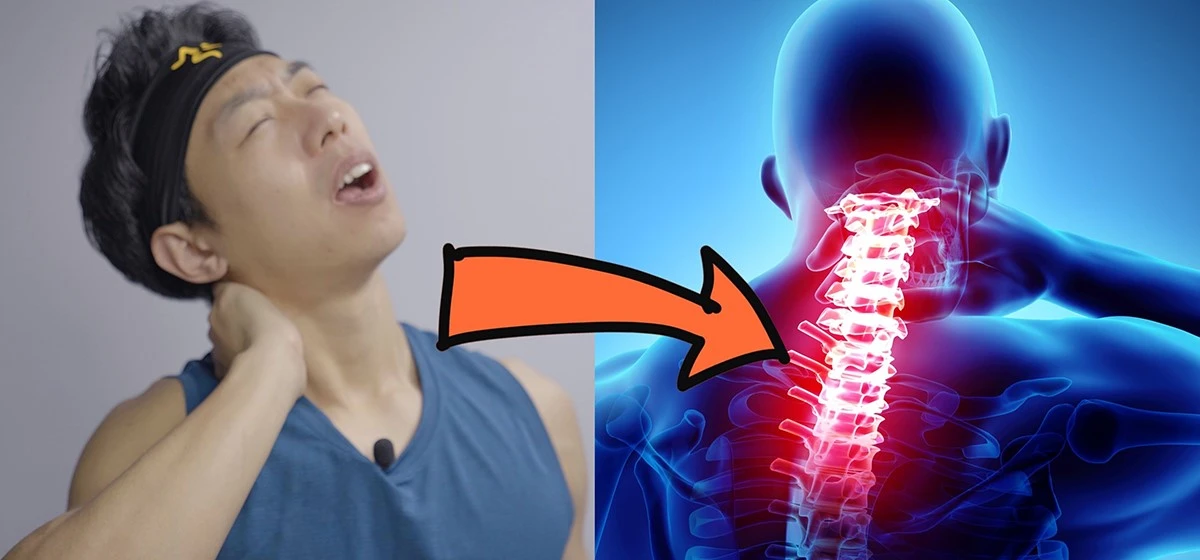
Understanding Forward Head Posture
Forward head posture occurs when the head sits anterior to the body's centerline, placing excessive load on the cervical spine. In an ideal posture, the ear aligns vertically over the shoulder. When this alignment is lost, every inch the head moves forward increases the effective weight borne by the neck muscles and joints.
Clinically and functionally, Forward Head Posture correction is not simply a cosmetic concern. It directly affects musculoskeletal balance, breathing efficiency, neurological function, and long-term spinal health.
Causes of Forward Head Posture
Forward head posture develops gradually through repetitive stress and adaptive muscle imbalance. The most common contributing factors include:
- Prolonged computer and smartphone use
- Poor workstation ergonomics
- Weak deep neck flexor muscles
- Tight upper trapezius, levator scapulae, and pectoral muscles
- Inadequate physical activity and postural awareness
- Unsupportive sleep positions and pillows
Over time, the body adapts to these stressors. Muscles that are overused become tight, while stabilizing muscles weaken, making Forward Head Posture correction more difficult without targeted intervention.
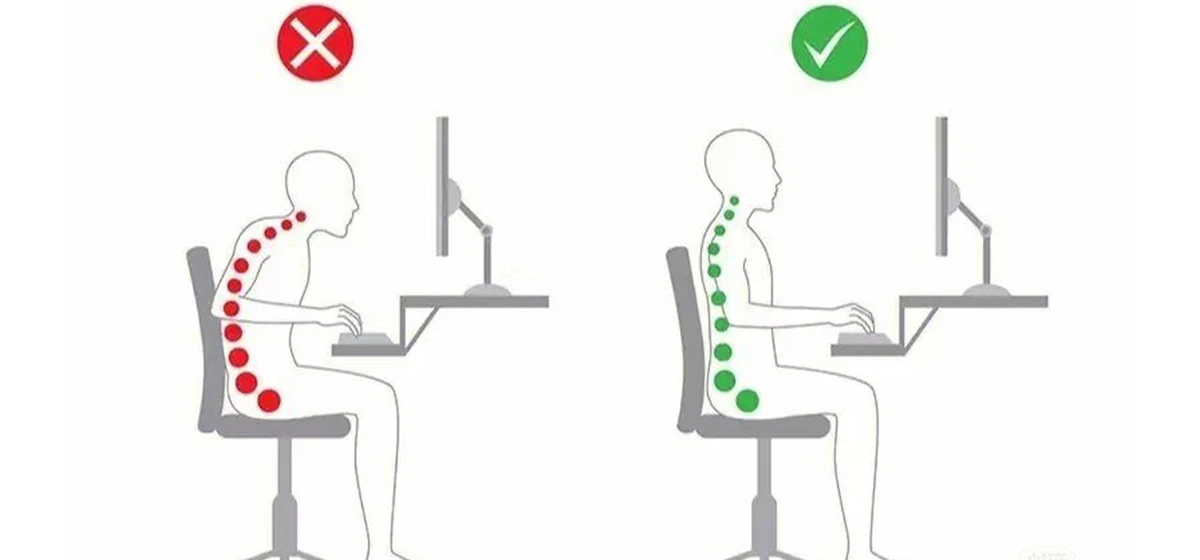
Table 1: Common Causes and Contributing Factors
| Category | Specific Factors | Long-Term Impact |
|---|---|---|
| Technology Use | Smartphones, laptops, tablets | Chronic neck flexion and muscle fatigue |
| Workplace Setup | Low screens, poor chair support | Sustained cervical misalignment |
| Muscular Imbalance | Weak deep neck flexors | Reduced postural stability |
| Lifestyle Habits | Sedentary behavior | Loss of spinal mobility |
| Sleep Environment | Inadequate pillow height | Nighttime cervical strain |
Health Risks and Functional Consequences
Ignoring forward head posture can lead to a wide range of health issues. As the cervical spine compensates, stress is transferred to the thoracic spine, shoulders, and even the lower back.
Key risks include:
- Chronic neck and shoulder pain
- Cervicogenic headaches
- Reduced lung capacity due to altered rib mechanics
- Nerve compression symptoms such as tingling or numbness
- Accelerated cervical disc degeneration
From a functional perspective, poor posture negatively affects athletic performance, balance, and movement efficiency. This is why Forward Head Posture correction is increasingly emphasized in fitness, rehabilitation, and wellness programs across Western markets.
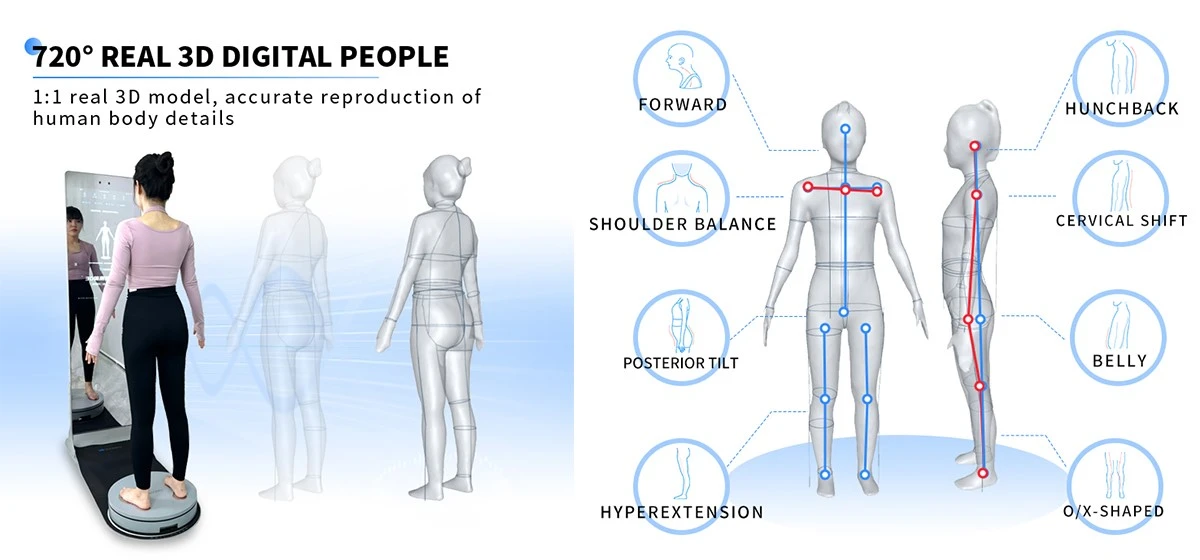
Assessment Methods for Forward Head Posture
Accurate assessment is the foundation of effective Forward Head Posture correction. Modern posture evaluation combines visual analysis, measurable angles, and digital tools to provide objective insights.
1. Visual and Plumb Line Assessment
Practitioners observe the side view of the body to identify deviations from neutral alignment. The ear-to-shoulder relationship is a primary indicator.
2. Craniovertebral Angle (CVA)
The craniovertebral angle measures the angle between the cervical spine and the horizontal plane. A smaller angle indicates more severe forward head posture.
3. Digital and 3D Posture Scanning
Advanced posture assessment systems use cameras and 3D modeling to quantify head displacement, spinal curvature, and asymmetry. These tools enhance credibility and precision in Forward Head Posture correction programs.
Table 2: Comparison of Assessment Approaches
| Method | Accuracy | Scalability | Best Use Case |
|---|---|---|---|
| Visual Screening | Low–Moderate | High | Initial group screening |
| Manual Angle Measurement | Moderate | Medium | Clinical or fitness settings |
| 3D Posture Analysis | High | High | Professional posture management |
Practical Solutions and Commercial Applications
Effective Forward Head Posture correction requires consistent intervention across movement, awareness, and recovery. Below are key application areas where posture correction is successfully integrated.
Yoga and Mindful Movement Programs
Yoga emphasizes spinal alignment, breath control, and body awareness. Specific poses such as Mountain Pose, Cobra, and Fish Pose help counteract forward head posture by strengthening postural muscles and opening the chest.
For yoga studios, posture-based assessments add value by:
- Personalizing class recommendations
- Demonstrating measurable improvement over time
- Supporting premium posture-focused programs
Pilates and Core Stability Training
Pilates places strong emphasis on cervical neutrality, scapular control, and deep core engagement. This makes it particularly effective for Forward Head Posture correction.
Studios often integrate posture assessments into onboarding sessions, allowing instructors to tailor exercises that reinforce correct head and neck alignment.
Fitness and Strength Training
In functional fitness and personal training, forward head posture often limits strength progression and increases injury risk. Trainers address this by:
- Teaching neutral head positioning during lifts
- Incorporating neck stability and upper-back strengthening
- Monitoring posture during dynamic movements
Table 3: Fitness-Based Strategies for Forward Head Posture Correction
| Strategy | Target Area | Benefit |
|---|---|---|
| Row Variations | Upper back | Improves scapular support |
| Neck Retraction Drills | Deep neck flexors | Enhances cervical stability |
| Thoracic Mobility Work | Mid-spine | Reduces compensatory strain |
Posture Management and Wellness Programs
Posture management services combine assessment, education, and ongoing coaching. Digital posture reports help users understand their condition and stay engaged with Forward Head Posture correction plans.
These programs are commonly used in corporate wellness, preventive health initiatives, and private posture clinics.
Healthy Sleep and Recovery Applications
Sleep posture plays a crucial role in cervical health. Poor pillow height or side-sleeping misalignment can negate daytime correction efforts.
Sleep-focused solutions include:
- Personalized pillow recommendations
- Education on neutral neck alignment
- Integration with posture tracking data
By addressing nighttime habits, Forward Head Posture correction becomes more comprehensive and sustainable.
Building Trust Through Evidence and Expertise
Following EEAT principles-Experience, Expertise, Authoritativeness, and Trustworthiness-successful posture solutions rely on:
- Evidence-informed assessment methods
- Transparent reporting and education
- Integration with professional guidance
- Measurable outcomes
Consumers are increasingly seeking credible, data-supported approaches to Forward Head Posture correction, especially when posture directly affects comfort, performance, and long-term health.
Conclusion
Forward head posture is a modern, lifestyle-driven condition with far-reaching consequences. Addressing it requires more than simple reminders to "sit up straight." Effective Forward Head Posture correction depends on accurate assessment, targeted movement strategies, and consistent behavioral change.
By combining posture analysis with yoga, Pilates, fitness training, posture management programs, and healthy sleep applications, both individuals and wellness businesses can create meaningful, lasting improvements. In an era where posture reflects how we live and work, investing in Forward Head Posture correction is no longer optional-it is essential for sustainable health and performance.
