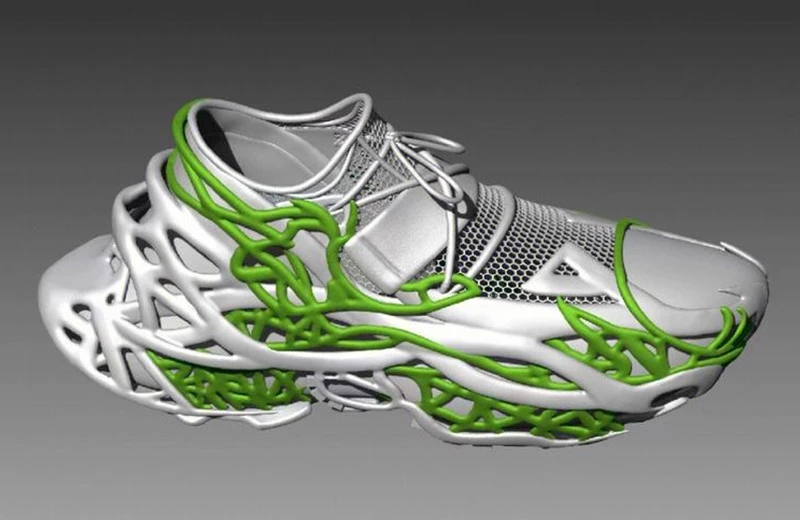
In recent years, 3D printing has moved from niche experimentation to an emerging cornerstone of footwear design and manufacturing. As the market evolves, brands are beginning to recognize not only the performance and customization advantages of additive manufacturing, but also the tangible Health Benefits of 3D-Printed Shoes Solutions that can redefine consumer expectations and market value.
This article explores the competitive landscape, head-to-head comparisons among leading brands, pricing strategies, and functional use cases in corrective and health-oriented footwear, with a focus on industry players around the world.
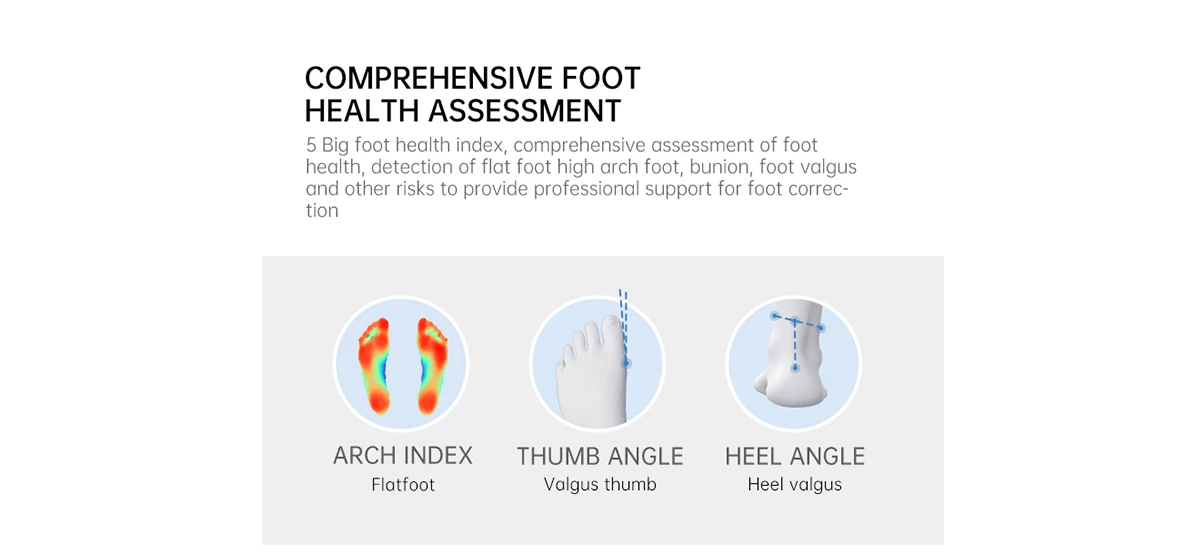
Across the global footwear ecosystem, the synergy of biomechanics, customization, and additive manufacturing is reshaping product development. The Health Benefits of 3D-Printed Shoes Solutions are no longer theoretical; they are measurable through user outcomes such as improved comfort, pressure redistribution, and alignment correction for conditions like flat feet, high arches, hallux valgus (bunions), heel valgus, and heel varus.
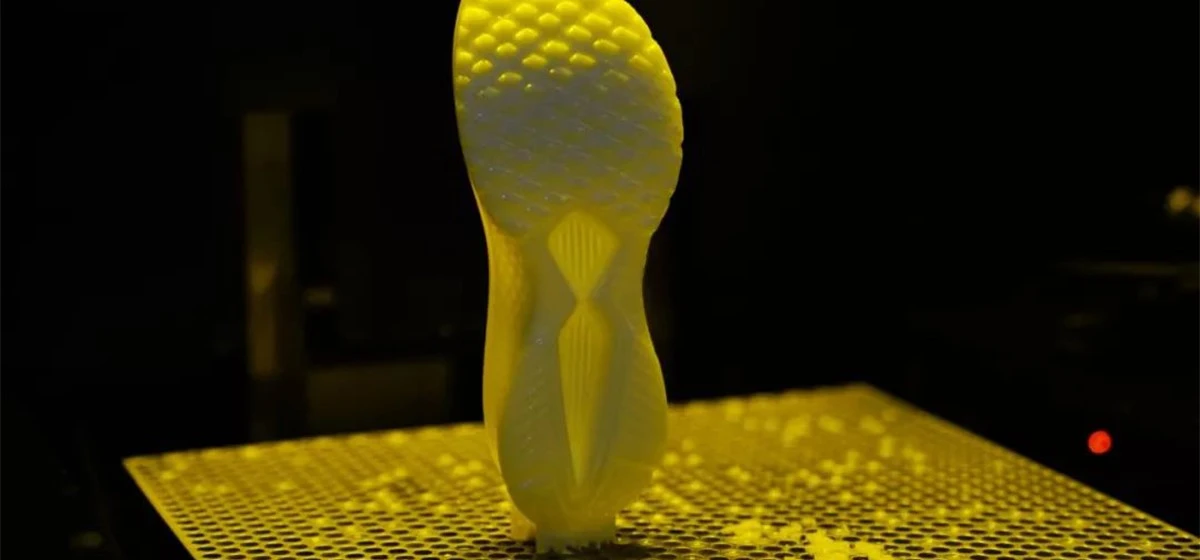
Global 3D-Printed Footwear: Competitive Landscape and Brand Profiles
The competitive dynamics of 3D-printed footwear are shaped by technology capabilities, material science, design software, go-to-market strategies, and the ability to communicate real Health Benefits of 3D-Printed Shoes Solutions to customers.
Below is a snapshot of five leading players and how they stack up in the evolving marketplace:
| Brand / Player | Origin | Core Strength | Health-oriented Focus | Price Positioning |
|---|---|---|---|---|
| Adidas (Futurecraft) | Germany | Lattice midsole innovation | Performance, general comfort | Premium |
| New Balance (TripleCell) | USA | Proprietary cushioning tech | Impact absorption | Upper-mid |
| Nike (select R&D initiatives) | USA | Athlete-driven prototyping | Performance adaptation | High |
| Under Armour (HOVR & 3D R&D) | USA | Integrated foam + 3D elements | Energy return, comfort | Mid-high |
| ECCO / BIOM & 3D partners | Denmark | Anatomical development | Natural motion, foot health | Mid-premium |
These brands represent divergent paths to incorporating 3D printing, with varying emphasis on Health Benefits of 3D-Printed Shoes Solutions, commercial strategy, and user segmentation.
Table: Evaluation of Brand Capabilities
| Evaluation Dimension | Adidas | New Balance | Nike | Under Armour | ECCO |
|---|---|---|---|---|---|
| Additive Manufacturing R&D | High | Medium | High | Medium | Medium |
| Customization potential | Medium | Medium | Low | Low | Medium |
| On-demand manufacturing | Limited | Limited | Experimental | Experimental | Small scale |
| Health-oriented features | Moderate | Moderate | Targeted | Comfort focused | Anatomical focus |
| Market presence | Global | North America, Asia, Europe | Global | Global | Global niche |
The Health Benefits of 3D-Printed Shoes Solutions vary across brands: Adidas and New Balance emphasize performance and comfort, while Nike tends toward elite athlete prototypes. Under Armour blends 3D elements with conventional foam systems, and ECCO focuses on anatomical motion and foot health in general wear styles.
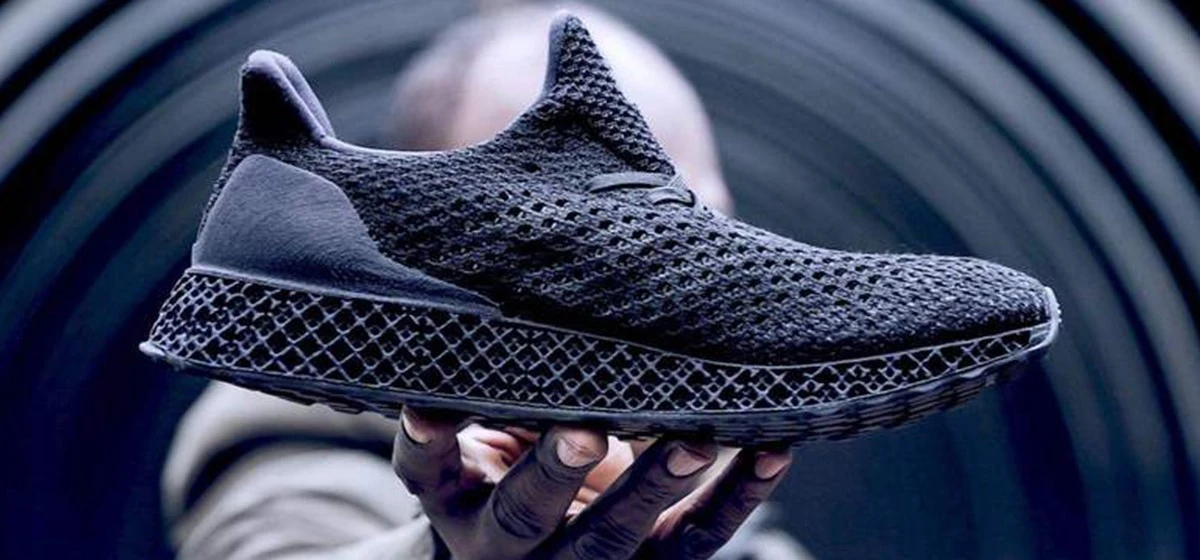
Understanding Product and Price Competitiveness
Pricing remains one of the most delicate aspects of 3D-printed footwear adoption. Traditional manufacturing benefits from mature supply chains and economies of scale, while additive manufacturing introduces higher per-unit costs but offers customization and performance differentiation.
Below is a detailed breakdown of competitive factors:
Table: Competitive Analysis – Traditional vs. 3D-Printed Footwear
| Factor | Traditional Shoes | 3D-Printed Shoes |
|---|---|---|
| Production Cost | Lower at scale | Higher per unit |
| Customization | Limited | High |
| Design Iteration Speed | Moderate | High |
| Inventory Risk | High | Low (on-demand possible) |
| Health-Specific Features | Basic | Advanced biomechanical potential |
| Weight Optimization | Standard | Advanced lattice engineering |
| Environmental Impact | Conventional waste | Potentially lower waste |
The Health Benefits of 3D-Printed Shoes Solutions must be communicated as a core value driver, because this is where additive manufacturing begins to justify higher costs. Brands that simply adopt 3D printing without aligning it with measurable outcomes-such as improved gait, reduced pressure points, or injury prevention-risk being perceived as premium yet unnecessary.
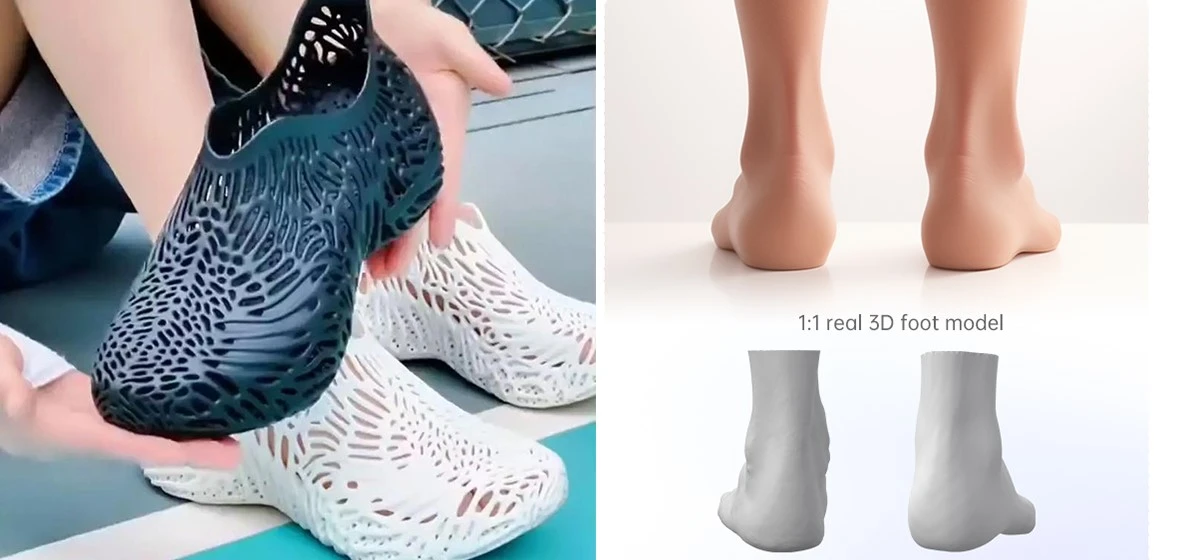
Functional Footwear and Health-Focused Use Cases
One of the most transformative areas for 3D printing in footwear lies in functional and corrective shoes. Traditional footwear brands have often treated foot health as an afterthought. However, the emergence of medical-grade customization through additive processes enables the development of products that align with unique biomechanical needs.
Typical health-related conditions addressed by 3D-printed solutions include:
- Flat feet (Pes Planus)
- High arches (Pes Cavus)
- Hallux Valgus (Bunions)
- Heel Valgus (Outward heel tilt)
- Heel Varus (Inward heel tilt)
Below is a representation of functional benefits and design considerations:
Table: Health Conditions vs. 3D-Printed Solutions
| Foot Condition | Traditional Support Limitations | 3D-Printed Solutions | Expected Health Benefits* |
|---|---|---|---|
| Flat Feet | Generic arch support, limited fit | Precision arch geometry | Better alignment, reduced fatigue |
| High Arches | Pressure concentration at forefoot | Zoned cushioning, lattice tuning | Shock absorption, comfort |
| Hallux Valgus | Narrow toe boxes, rigid structure | Customized toe box shaping | Reduced irritation, improved motion |
| Heel Valgus | Limited medial stability | Custom heel counters | Enhanced balance, reduced pronation |
| Heel Varus | Inward imbalance | Targeted lateral support | Better shock distribution |
*Health benefits are dependent on individual biomechanics and appropriate fitting protocols.
This level of customization unlocks measurable Health Benefits of 3D-Printed Shoes Solutions, such as improved walking efficiency, reduced joint stress, and alignment correction.
Communication, Education, and Consumer Trust
For brand operators and industry stakeholders, one of the biggest challenges is translating technical innovation into consumer understanding. While consumers intuitively appreciate comfort and style, the specific Health Benefits of 3D-Printed Shoes Solutions require clear, evidence-based communication to build trust.
Best Practices for Market Adoption
- Evidence-Driven Messaging: Use clinical or biomechanical data to support health claims.
- Segmentation: Tailor messaging for athletes, health-conscious consumers, and clinical users.
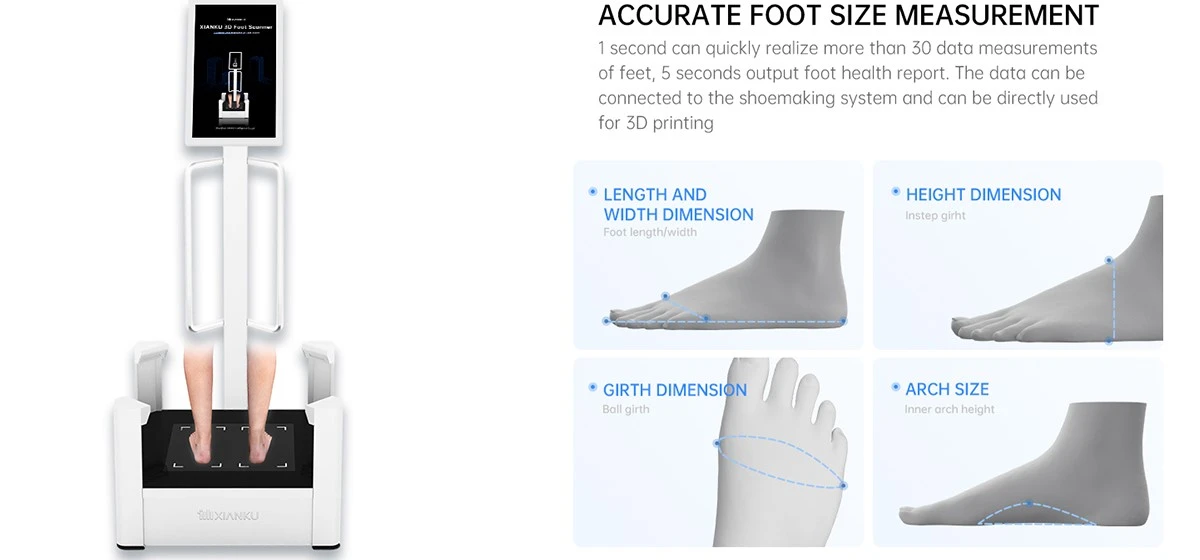
- Education: Develop digital tools (e.g., gait analysis apps, foot scanning) to explain how personalization works.
- Partnerships: Collaborate with physical therapists, podiatrists, and sports science professionals.
In this context, consumers need to understand not just that a shoe is 3D-printed, but why that attribute results in better health outcomes. The consistent use of Health Benefits of 3D-Printed Shoes Solutions in content helps with SEO visibility, but it must be backed by substance.
Case Insights: How Leaders Are Activating Health-Driven Innovation
Adidas – Lattice Technology Meets Performance
Adidas' approach to additive midsole structures has influenced the perception of 3D printing as a performance enabler. While much of its early work focuses on cushioning geometry and responsiveness, the implied Health Benefits of 3D-Printed Shoes Solutions resonate with consumers seeking long-distance comfort and recovery.
New Balance – Cushioning and Protection
New Balance's TripleCell platform delivers sophisticated energy return. Their markets emphasize comfort and impact protection, allowing them to speak to the Health Benefits of 3D-Printed Shoes Solutions for everyday runners and fitness enthusiasts.
Nike – Elite Experimentation
Nike's selective exploration of 3D printing tends toward elite athlete testing, which positions the technology as a tool for performance excellence. As research evolves, this may translate to more overt functional claims grounded in biomechanical analysis.
Under Armour – Integrated Systems
Under Armour's R&D blends conventional midsole materials with 3D elements. While not fully additive, the hybrid approach illustrates a practical path toward incremental health benefits that can be marketed effectively.
ECCO – Ergo-Dynamics and Motion Control
ECCO's focus on anatomical movement and ergonomic design complements 3D printing ambitions. Their approach integrates knowledge of human gait with additive manufacturing potential, making Health Benefits of 3D-Printed Shoes Solutions more accessible to everyday consumers.
Conclusion
The future of footwear is not simply additive-it is health-oriented, personalized, and functionally driven. For industry stakeholders and brand operators, the pathway to success lies in aligning technology with meaningful outcomes. The Health Benefits of 3D-Printed Shoes Solutions must be central to brand positioning, product development, and consumer education.
As 3D printing technologies mature, consumers will increasingly expect not just customization, but health evidence. Whether addressing biomechanical anomalies or enhancing everyday comfort, the next wave of footwear innovation will be defined not by novelty, but by measurable well-being.
If you are building products, content, or strategies in this space, connecting innovation with health outcomes is the competitive frontier-and the promise of additive manufacturing in footwear can be truly realized.