

The postpartum recovery industry is undergoing a fundamental shift. In the past, postnatal services focused heavily on aesthetics-weight loss, abdominal tightening, or short-term body shaping. Today, informed mothers and healthcare-adjacent consumers expect functional recovery, measurable outcomes, and long-term musculoskeletal health.
At the center of this transformation is Postpartum Body Recovery Assessment-a structured, evidence-informed approach to evaluating posture, pelvic alignment, spinal balance, and sub-health conditions after childbirth. For postpartum business operators, this assessment framework is no longer optional; it is becoming the foundation of differentiation, customer trust, and scalable growth.
This article explores how leading chain brands structure their services, where competitive pressure is increasing, and how postpartum operators can attract more clients, deliver precision services, evaluate pelvic and spinal health, and continuously track body posture change over time.

1. Competitive Landscape: How Leading Postpartum Chain Brands Operate
Large postpartum recovery chains in North America and Europe share several defining characteristics. While branding and pricing vary, their core service logic is strikingly similar.
Core Service Structure of Head Chain Brands
| Service Layer | Common Practices | Competitive Weakness |
|---|---|---|
| Initial Consultation | Manual posture checks, questionnaires, tape measurements | Subjective, hard to standardize |
| Core Recovery Programs | Pelvic floor training, abdominal rehab, light strength | Limited personalization |
| Body Shaping Services | EMS, massage, wraps, thermal therapies | Aesthetic-focused, short-term |
| Progress Review | Photos, weight tracking, circumference comparison | Lacks functional metrics |
Most head brands sell recovery programs, not recovery outcomes. This creates a growing credibility gap-especially among educated postpartum clients seeking proof-based recovery.
As competition intensifies, services are becoming increasingly homogeneous. This is where Postpartum Body Recovery Assessment becomes a strategic differentiator rather than a technical add-on.
2. The Core Competitive Problem: Standardized Services vs. Individual Bodies
From a business perspective, the biggest challenge in postpartum recovery is not customer acquisition-it is service sameness.
Key Competitive Pain Points
- Different postpartum clients receive nearly identical programs
- Recovery plans are rarely adjusted based on pelvic or spinal structure
- Progress tracking relies on visual judgment rather than data
- Long-term musculoskeletal risks are often ignored
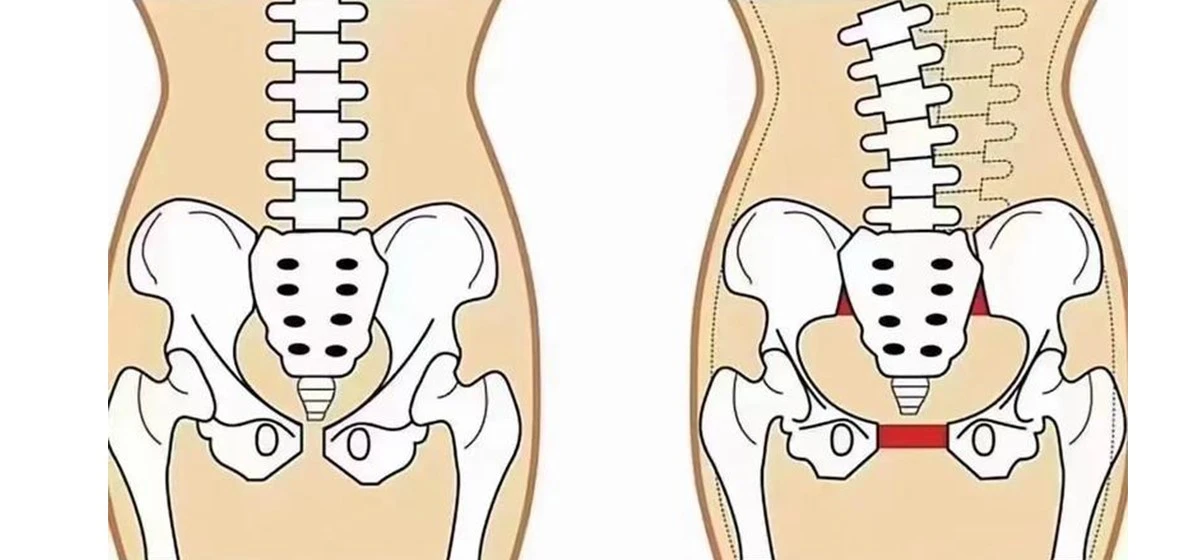
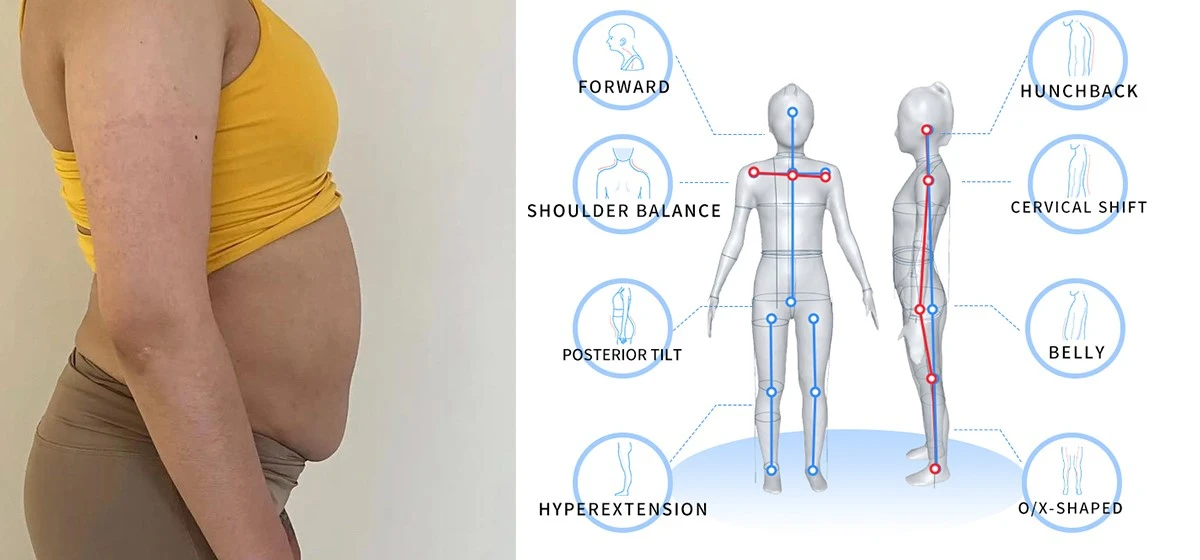
Childbirth places asymmetric stress on the pelvis, lumbar spine, and hip joints. Without structured Postpartum Body Recovery Assessment, operators cannot reliably identify issues such as:
- Anterior pelvic tilt
- Posterior pelvic tilt
- Functional scoliosis
- Pelvic rotation or imbalance
- Compensatory spinal deviation
This leads to inconsistent results, customer dissatisfaction, and poor retention.
3. Using Postpartum Body Recovery Assessment to Attract More Clients
Modern consumers are outcome-driven. Brands that communicate assessment-first recovery logic convert better and retain longer.
Why Assessment-Led Positioning Works
- Shifts brand image from "beauty service" to "functional recovery expert"
- Builds immediate professional credibility
- Increases consultation conversion rates
- Enables premium pricing through expertise
Marketing messaging that emphasizes Postpartum Body Recovery Assessment reframes recovery as a health investment rather than a cosmetic expense.
Examples of high-conversion messaging include:
- "Your recovery plan starts with a Postpartum Body Recovery Assessment."
- "No two postnatal bodies are the same-your assessment proves it."
- "Data-driven postpartum recovery, not guesswork."
4. Delivering Precision and Differentiated Services Through Assessment
From Generic Programs to Precision Recovery
Once Postpartum Body Recovery Assessment is integrated into operations, services naturally become more precise.
| Assessment Dimension | What Is Measured | Business Value |
|---|---|---|
| Postural Alignment | Shoulder height, spinal curvature, head position | Identifies compensation patterns |
| Pelvic Orientation | Anterior tilt, posterior tilt, rotation | Guides targeted core recovery |
| Spinal Balance | Lateral deviation, sagittal imbalance | Prevents chronic pain |
| Weight Distribution | Left/right load symmetry | Improves movement efficiency |
With these insights, recovery plans evolve from "standard postpartum programs" to condition-specific protocols, such as:
- Pelvic anterior tilt correction programs
- Postpartum spinal balance restoration
- Core-pelvic-hip coordination training
This is where Postpartum Body Recovery Assessment directly increases service value.
5. Evaluating Sub-Health Conditions in Postpartum Clients
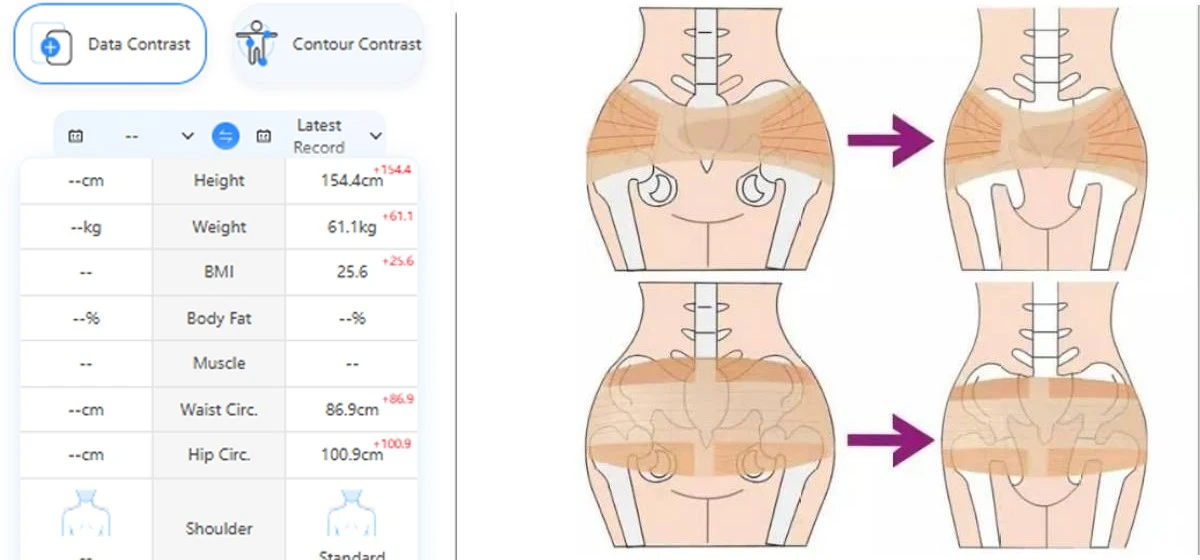
Many postpartum women experience sub-health symptoms that fall outside clinical diagnosis but significantly affect quality of life.
Common Postpartum Sub-Health Indicators
- Persistent lower back pain
- Hip instability or discomfort
- Postural fatigue
- Asymmetric muscle activation
- Reduced movement confidence
A structured Postpartum Body Recovery Assessment allows operators to visualize functional imbalance, bridging the gap between medical clearance and full recovery.
This assessment-based approach also improves collaboration with physical therapists, chiropractors, and wellness professionals-enhancing referral opportunities.
6. Pelvic Health Assessment: A Core Pillar of Postpartum Recovery
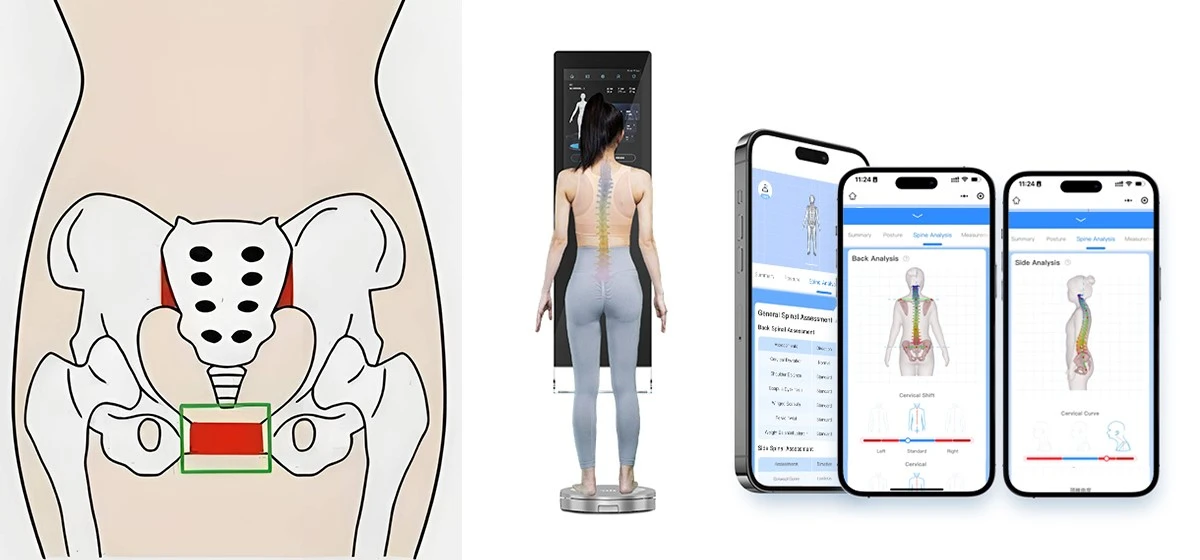
Pelvic health is the biomechanical foundation of postnatal recovery.
Key Pelvic Issues Identified Through Assessment
| Pelvic Condition | Postpartum Impact | Recovery Focus |
|---|---|---|
| Anterior Pelvic Tilt | Lumbar compression, abdominal separation | Core stabilization |
| Posterior Pelvic Tilt | Hip restriction, glute underactivation | Pelvic mobility |
| Pelvic Rotation | Uneven load distribution | Symmetry correction |
| Spinal Deviation | Compensatory movement | Alignment restoration |
Without Postpartum Body Recovery Assessment, these conditions are often overlooked or misinterpreted.
Assessment transforms pelvic recovery from generalized exercise into targeted biomechanical correction.
7. Tracking Physical Change Over Time: Turning Recovery Into a Journey
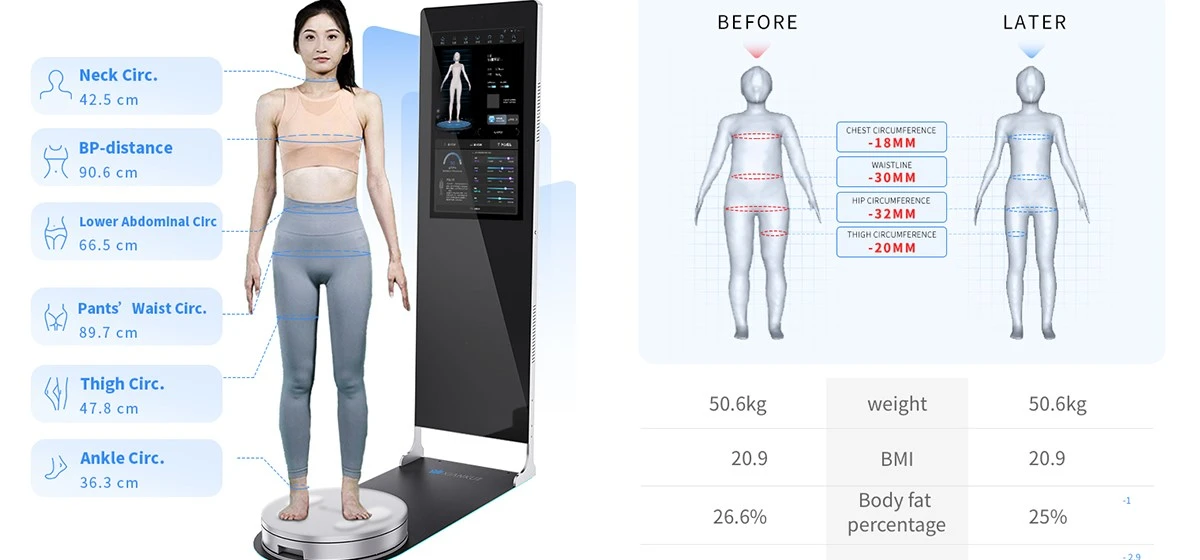
One of the most powerful business advantages of Postpartum Body Recovery Assessment is longitudinal tracking.
Why Progress Tracking Matters
- Provides objective proof of improvement
- Increases customer confidence
- Supports upsell into advanced recovery phases
- Reduces service disputes and cancellations
Key Metrics to Track Over Time
| Timepoint | Tracked Metrics | Client Perception |
|---|---|---|
| Initial Assessment | Posture, pelvic tilt, spinal deviation | Awareness |
| Mid-Program | Alignment changes, symmetry | Motivation |
| Program Completion | Functional balance restoration | Trust |
| Long-Term Follow-Up | Stability retention | Loyalty |
When clients see their recovery, they stay engaged. This transforms recovery services into a long-term health partnership.
8. Operational Benefits for Postpartum Business Owners
Implementing Postpartum Body Recovery Assessment is not only a clinical upgrade-it is an operational strategy.
Business Advantages
- Standardized onboarding process
- Scalable staff training
- Higher per-client lifetime value
- Clear service differentiation in crowded markets
Assessment-driven recovery also protects brand reputation by aligning expectations with measurable outcomes.
9. Assessment Is the Future of Postpartum Recovery
As postpartum recovery markets mature, brands that rely solely on aesthetic services will struggle to differentiate. The future belongs to operators who embrace Postpartum Body Recovery Assessment as the foundation of their service model.
By integrating posture, pelvic, and spinal assessment into recovery workflows, postpartum businesses can:
- Acquire higher-quality clients
- Deliver precise, personalized recovery
- Address sub-health conditions responsibly
- Track outcomes with confidence
- Build long-term, trust-based client relationships
In the next phase of the industry, Postpartum Body Recovery Assessment is not just a tool-it is the language of credibility, professionalism, and sustainable growth.
