

The global mattress market has entered a new phase of maturity. Product differentiation based solely on comfort, price, or material composition is no longer sufficient. Consumers are increasingly evaluating mattresses as part of a broader Healthy Sleep System-one that supports posture, recovery, thermal balance, and long-term sleep health outcomes.
For mattress brands, this shift represents both a challenge and an opportunity. Brands that successfully align their products, messaging, and evidence with the principles of a Healthy Sleep System are better positioned to gain long-term trust, premium justification, and category leadership.
This guide provides an expert-level analysis of major mattress brands, evaluates their alignment with the Healthy Sleep System framework, and outlines how mattress brands can redefine their market position through sleep health system thinking.
1. The Mattress as the Structural Core of a Healthy Sleep System
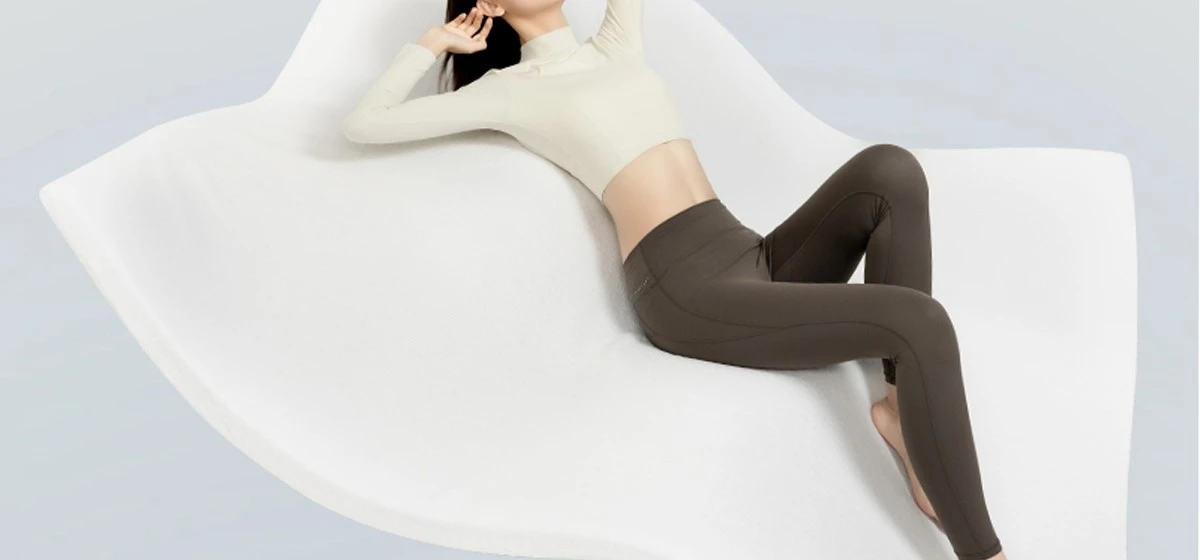
Sleep health is increasingly recognized as a pillar of overall wellbeing. Scientific consensus shows that sleep quality is strongly influenced by spinal alignment, pressure distribution, thermal regulation, and sleep continuity. The mattress functions as the structural foundation of a Healthy Sleep System, directly interacting with the musculoskeletal and nervous systems for one-third of human life.
A properly designed Healthy Sleep System supports:
- Neutral spinal posture across sleep positions
- Even pressure distribution to protect circulation
- Stable microclimate to reduce nighttime awakenings
- Muscular recovery and joint decompression
- Consistent sleep architecture over time
As a result, mattress choice has evolved from a comfort preference into a health-driven decision.
2. Market Landscape: How Leading Mattress Brands Position Themselves
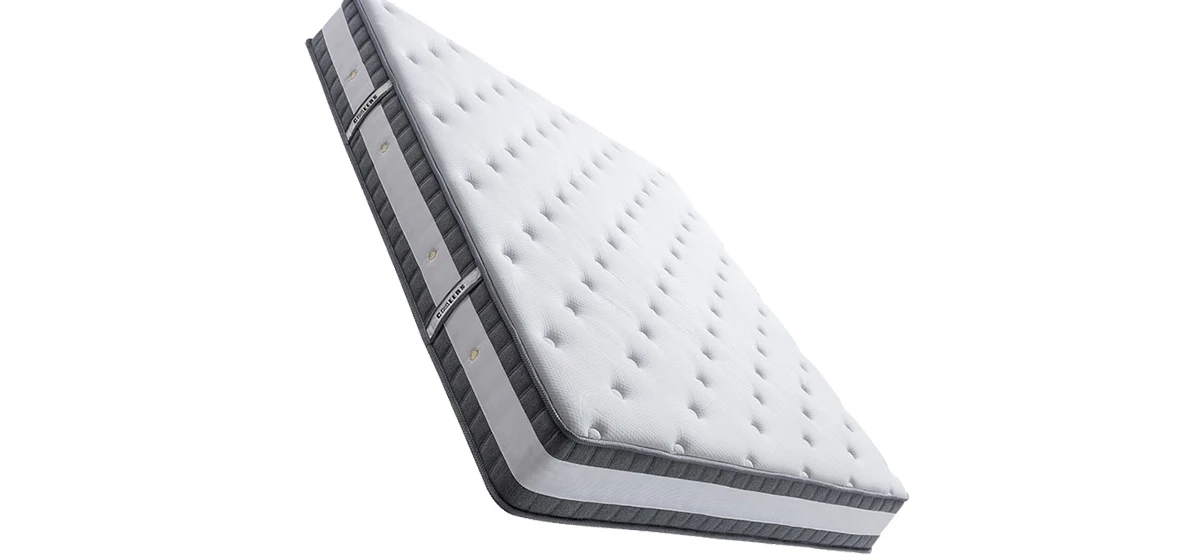
Leading mattress brands differ not only in materials, but in how they conceptualize sleep health and integrate it into a Healthy Sleep System narrative.
Brand Positioning Overview
| Brand | Strategic Positioning | Primary Health Narrative | Healthy Sleep System Alignment |
|---|---|---|---|
| Tempur-Pedic | Clinical-grade pressure relief | Pain reduction & recovery | Very High |
| Sleep Number | Personalized, data-driven sleep | Adaptability & optimization | Very High |
| Saatva | Luxury spinal support | Alignment & durability | High |
| Sealy | Orthopedic heritage | Structural support | Medium–High |
| Serta | Comfort accessibility | General sleep comfort | Medium |
| Purple | Material innovation | Pressure neutrality & airflow | High |
This differentiation illustrates how mattress brands increasingly compete on system-level health value, not just product attributes.
3. Brand Analysis Through the Healthy Sleep System Lens
Tempur-Pedic: Pressure Relief as a Clinical Foundation
Tempur-Pedic has long positioned its products around pressure relief and therapeutic support. Its proprietary viscoelastic foam adapts to body contours, reducing peak pressure points.
Strengths within a Healthy Sleep System
- Exceptional pressure redistribution
- Proven benefits for joint stress reduction
- Strong alignment with rehabilitation and pain-sensitive users
Structural Limitations
- Reduced responsiveness for active sleepers
- Heat retention for temperature-sensitive individuals
Tempur-Pedic's strength lies in treating the mattress as a medical-grade component of a Healthy Sleep System rather than a lifestyle product.
Sleep Number: Personalized Adjustment and Sleep Data Integration
Sleep Number reframes sleep as a dynamic process. Its adjustable air chamber system allows firmness customization, while embedded sensors provide sleep metrics.
Strengths within a Healthy Sleep System
- Individualized firmness calibration
- Long-term adaptability as physical conditions change
- Integration of measurable sleep outcomes
Structural Limitations
- Mechanical complexity
- Higher cost of full system ownership
Sleep Number exemplifies a feedback-driven Healthy Sleep System, emphasizing continuous optimization rather than static comfort.
Saatva: Structural Support and Spinal Alignment
Saatva emphasizes traditional craftsmanship combined with modern ergonomics. Its hybrid construction supports spinal alignment through zoned lumbar reinforcement.
Strengths within a Healthy Sleep System
- Strong postural support
- Excellent airflow and thermal stability
- Long-term structural durability
Structural Limitations
- Limited personalization beyond firmness choice
Saatva positions the Healthy Sleep System as a balance between orthopedic principles and premium sleep experience.
Purple: Material Science and Pressure Neutrality
Purple's hyper-elastic polymer grid introduces a non-foam approach to pressure management.
Strengths within a Healthy Sleep System
- High airflow and thermal neutrality
- Pressure adaptation without memory foam sink
- Reduced pressure concentration on joints
Structural Limitations
- Unique tactile feel not universally accepted
- Limited longitudinal clinical data
Purple demonstrates how material innovation can redefine how a Healthy Sleep System manages pressure and temperature simultaneously.
4. Comparative Functional Evaluation
| System Function | Role in Healthy Sleep System | Tempur-Pedic | Sleep Number | Saatva | Purple |
|---|---|---|---|---|---|
| Spinal Alignment | Musculoskeletal stability | ★★★★☆ | ★★★★☆ | ★★★★★ | ★★★★☆ |
| Pressure Management | Circulation & recovery | ★★★★★ | ★★★★☆ | ★★★★☆ | ★★★★★ |
| Thermal Regulation | Sleep continuity | ★★★☆☆ | ★★★★☆ | ★★★★★ | ★★★★★ |
| Personal Adaptability | Long-term relevance | ★★★☆☆ | ★★★★★ | ★★★☆☆ | ★★★☆☆ |
| System Integration | Holistic health support | ★★★★☆ | ★★★★★ | ★★★★☆ | ★★★★☆ |
This comparison highlights how different brands contribute distinct components to a Healthy Sleep System, rather than offering universally superior solutions.
5. Defining the Healthy Sleep System Framework
A Healthy Sleep System is a coordinated sleep ecosystem rather than a single product. It includes:
Biomechanical Support Layer
The mattress provides structural alignment and pressure distribution.
Thermal Regulation Layer
Materials and airflow manage body temperature fluctuations.
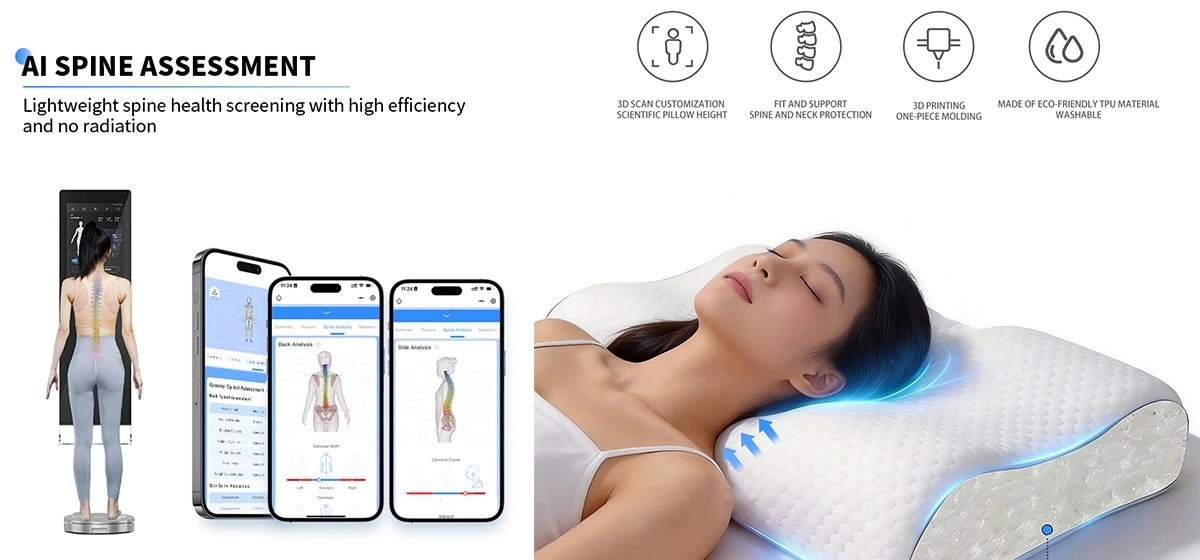
Cervical and Peripheral Support
Pillows and accessories maintain neck and limb alignment.
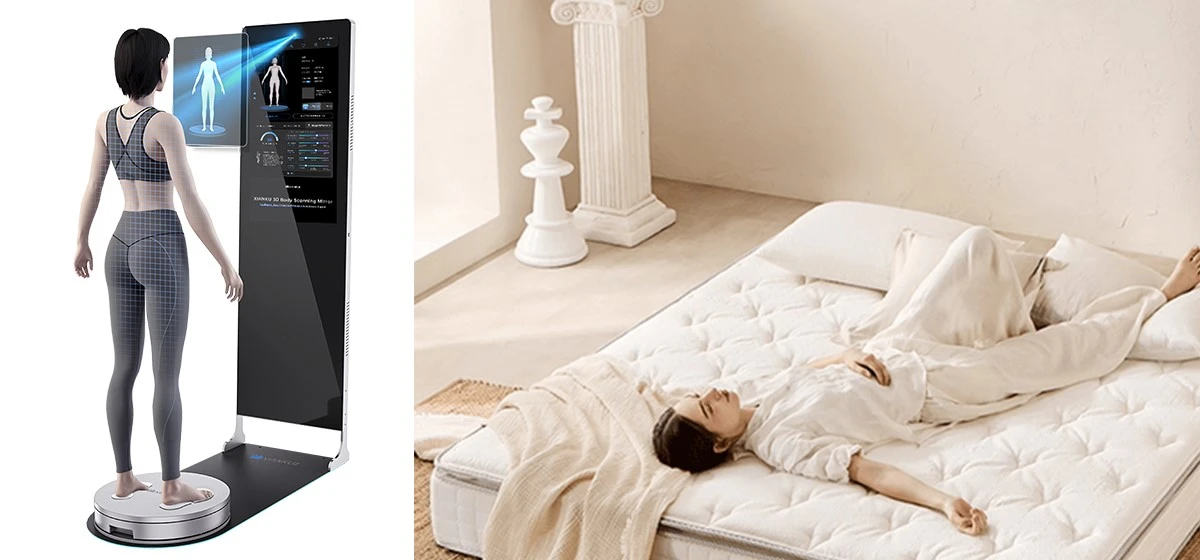
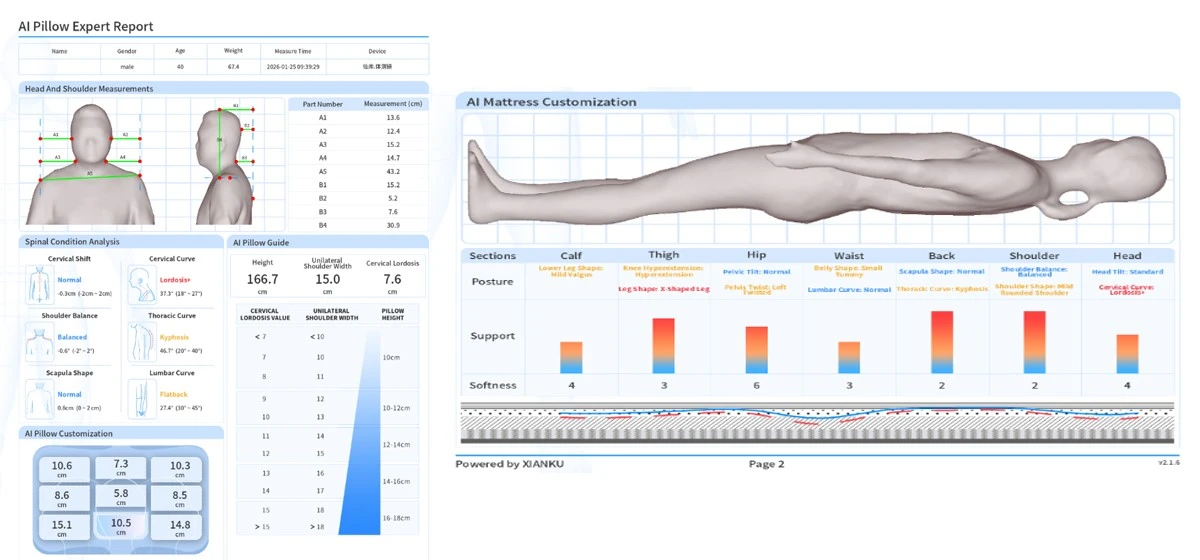
Assessment and Feedback Mechanisms
Sleep data, posture analysis, or comfort reassessment tools.
Sleep Hygiene Education
Behavioral guidance reinforcing consistent, restorative sleep habits.
Brands that address all five dimensions are better positioned to claim authority within the Healthy Sleep System category.
6. How Mattress Brands Can Redefine Market Position Through Healthy Sleep System Strategy
From Product-Centric to System-Centric Value
Mattress brands must evolve from selling isolated products to delivering sleep health systems.
Key Strategic Directions
1. Outcome-Oriented Communication
Replace vague comfort claims with measurable sleep health outcomes aligned with a Healthy Sleep System.
2. Assessment-Driven Sales Models
Posture analysis, pressure mapping, or sleep profiling builds trust and personalization.
3. Modular System Architecture
Allow consumers to build their own Healthy Sleep System through compatible mattresses, pillows, and bases.
4. Evidence and Transparency
Scientific explanations, material disclosures, and third-party certifications reinforce EEAT credibility.
5. Long-Term Sleep Health Positioning
Shift brand narrative from "better sleep tonight" to "healthier sleep over years."
7. Conclusion: The Mattress as a Health Platform
In modern sleep markets, the mattress is no longer a commodity. It is a health platform-the central pillar of a Healthy Sleep System that influences posture, recovery, and long-term wellbeing.
Brands such as Tempur-Pedic, Sleep Number, Saatva, and Purple illustrate that leadership is achieved not by offering more features, but by aligning products with a coherent Healthy Sleep System philosophy.
For consumers, this framework enables informed, health-driven decisions.
For mattress brands, it offers a sustainable path toward authority, differentiation, and long-term relevance in a competitive global market.
