

Hunchback posture-often clinically associated with excessive thoracic kyphosis-is no longer a niche musculoskeletal concern. It has become a widespread posture problem driven by sedentary work, prolonged screen use, postpartum biomechanical changes, stress-related muscle imbalance, and aging populations. For industry operators, this creates both a challenge and an opportunity.
From physical therapy centers and chiropractic clinics to yoga studios, postpartum recovery centers, posture correction institutes, and body‑shaping aesthetic businesses, clients are no longer satisfied with subjective observations or generic exercise plans. They are asking for objective proof, measurable progress, and personalized solutions.
This is where Hunchback Assessment and Correction evolves from a clinical concept into a scalable, data‑driven service model. When supported by digital posture assessment technologies-such as 3D body scanning-businesses can elevate trust, outcomes, and long‑term customer value.
This article provides an evidence‑based, commercially applicable framework for Hunchback Assessment and Correction, designed specifically for health, wellness, and posture‑focused business owners in Western markets.

What Is Hunchback Posture?
Hunchback posture refers to an abnormal forward curvature of the upper spine, typically characterized by:
- Excessive thoracic kyphosis
- Forward head posture
- Rounded shoulders
- Scapular protraction
While mild kyphotic curvature is normal, pathological hunchback posture disrupts biomechanical alignment and load distribution throughout the spine.
Common Contributing Factors
- Prolonged desk work and mobile device usage
- Weak posterior chain muscles (upper back, glutes)
- Tight anterior muscles (pectoralis major/minor, hip flexors)
- Postpartum core instability
- Age‑related spinal degeneration
- Poor postural awareness
Without structured Hunchback Assessment and Correction, these factors compound over time, leading to both functional limitations and aesthetic dissatisfaction.
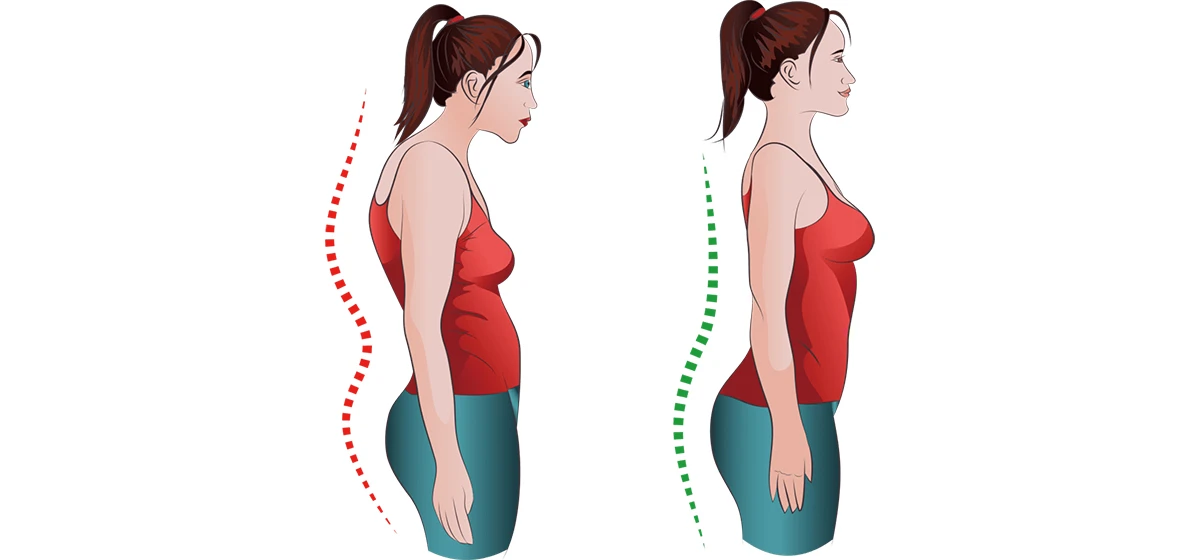
Problems and Risks Caused by Hunchback Posture
Hunchback posture affects far more than appearance. It has measurable physical, neurological, and psychological consequences.
Functional and Health Risks
| Impact Area | Associated Problems | Long‑Term Risks |
|---|---|---|
| Spine & Joints | Thoracic stiffness, cervical overload | Chronic neck and back pain |
| Muscular System | Imbalance, fatigue, trigger points | Reduced strength efficiency |
| Respiratory Function | Restricted rib cage expansion | Decreased lung capacity |
| Nervous System | Altered proprioception | Poor movement coordination |
| Mental Well‑Being | Low confidence, body dissatisfaction | Reduced quality of life |
For clinics and posture businesses, unmanaged hunchback posture often leads to recurring clients with unresolved symptoms-an outcome that damages credibility.
A structured Hunchback Assessment and Correction protocol helps shift services from symptom management to outcome‑oriented care.
Why Traditional Assessment Methods Are No Longer Enough
Many posture‑related businesses still rely on:
- Visual inspection
- Manual goniometry
- Static photographs
- Client self‑reporting
While useful, these methods lack precision, repeatability, and scalability.
Limitations of Traditional Assessment
| Method | Limitation | Business Impact |
| Visual observation | Subjective bias | Low trust from clients |
| Manual tools | Time‑consuming | Limited throughput |
| Photos | Angle inconsistency | Poor progress tracking |
Modern Hunchback Assessment and Correction requires objective, digital, and repeatable measurement-especially for multi‑location or growth‑focused businesses.
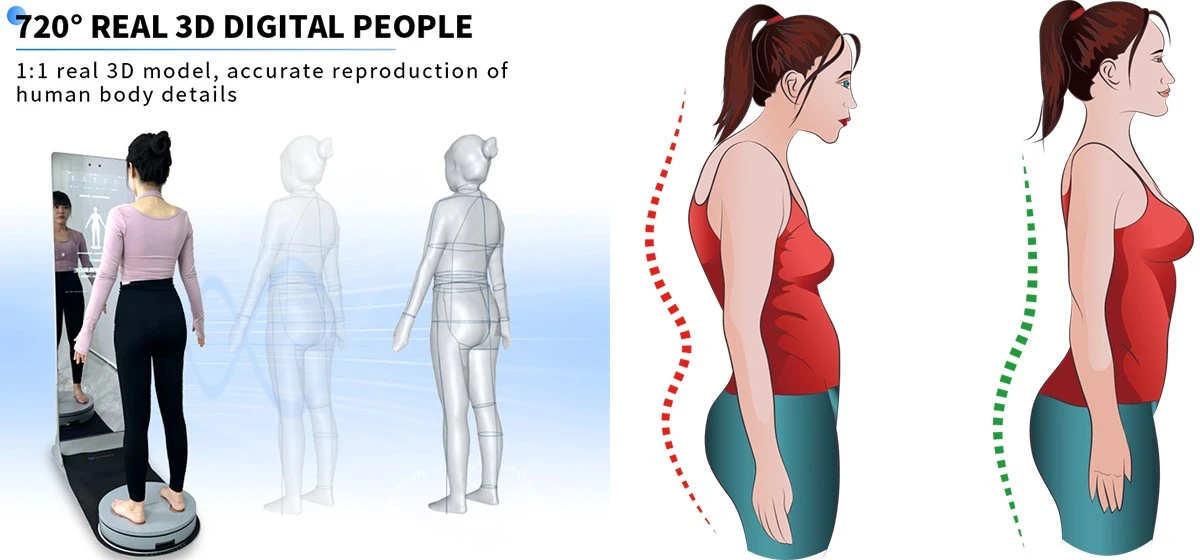
Digital Posture Analysis: The Foundation of Modern Hunchback Assessment and Correction
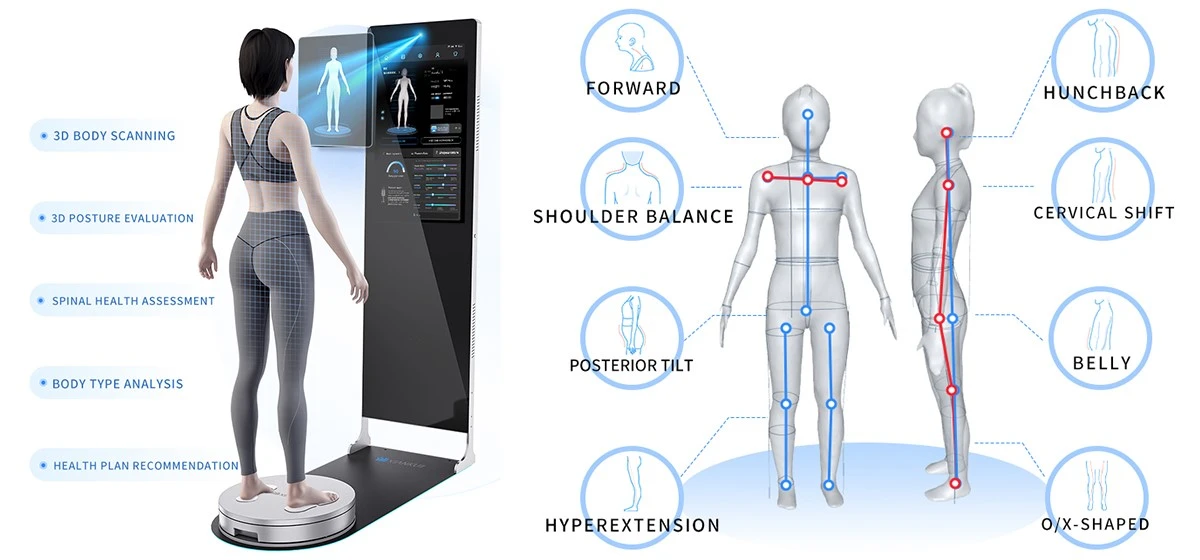
Advanced posture assessment systems, such as 3D body scanners, allow businesses to capture full‑body alignment data within seconds.
Key Assessment Metrics
- Thoracic curvature angle
- Head‑to‑shoulder offset
- Shoulder symmetry
- Pelvic tilt compensation
- Global sagittal balance
These metrics transform Hunchback Assessment and Correction from an opinion into a data‑backed service.
Benefits for Operators
- Consistent assessment standards
- Visual reports clients can understand
- Quantifiable baseline data
- Objective progress tracking
This level of transparency significantly improves client engagement and retention.
Correction Strategies: From Data to Action
Effective Hunchback Assessment and Correction is not about one technique-it is about integrating data into personalized intervention plans.
Core Correction Components
1. Mobility Restoration
- Thoracic extension drills
- Rib cage mobility work
2. Muscle Re‑education
- Scapular stabilizer activation
- Deep neck flexor training
3. Strength Reinforcement
- Posterior chain strengthening
- Anti‑flexion core training
4. Behavioral Modification
- Ergonomic coaching
- Lifestyle posture habits
Digital posture data ensures that Hunchback Assessment and Correction plans are targeted rather than generic.
Industry Applications: How Different Businesses Benefit
Physical Therapy Centers
- Objective posture baselines for treatment planning
- Data‑supported progress documentation
- Improved insurance and reporting credibility
Chiropractic Clinics
- Clear pre‑ and post‑adjustment comparisons
- Enhanced patient education
- Stronger outcome validation
Yoga and Movement Studios
- Personalized posture screening before programs
- Measurable improvements beyond flexibility
- Higher perceived professionalism
Postpartum Recovery Centers
- Identification of thoracic and pelvic compensation
- Safer return‑to‑movement planning
- Long‑term posture monitoring
Posture Correction & Aesthetic Businesses
- Visual proof of body shape improvement
- Differentiation from purely cosmetic services
- Higher package conversion rates
Across all sectors, Hunchback Assessment and Correction becomes a revenue‑enhancing service rather than a cost center.
Tracking Change Over Time: The Key to Long‑Term Value
Clients do not stay loyal because of promises-they stay because of proof.
Digital reassessment allows businesses to:
- Compare posture data over weeks or months
- Adjust programs based on real changes
- Demonstrate ROI of services visually
Example Progress Tracking Metrics
| Metric | Initial | 8 Weeks | 16 Weeks |
| Thoracic Angle | 52° | 46° | 41° |
| Head Offset | 6.2 cm | 4.1 cm | 2.9 cm |
| Shoulder Asymmetry | 1.8 cm | 0.9 cm | 0.4 cm |
This evidence‑based loop is the backbone of sustainable Hunchback Assessment and Correction programs.
Building Trust Through EEAT Principles
For businesses targeting informed Western consumers, EEAT (Experience, Expertise, Authoritativeness, Trustworthiness) is non‑negotiable.
Hunchback Assessment and Correction aligned with EEAT means:
- Experience: Real posture data from real clients
- Expertise: Clinically relevant metrics
- Authority: Consistent assessment methodology
- Trust: Transparent reporting and progress tracking
Digital posture systems strengthen every layer of EEAT without increasing labor costs.
From Posture Problem to Strategic Advantage
Hunchback posture is not just a physical issue-it is a service design opportunity.
Businesses that adopt structured, data‑driven Hunchback Assessment and Correction models move beyond guesswork, elevate client outcomes, and build long‑term competitive advantage.
In a market where clients demand personalization, proof, and professionalism, posture data is no longer optional-it is foundational.
For industry operators ready to lead rather than follow, Hunchback Assessment and Correction is the bridge between clinical credibility and scalable growth.
