Leg length differences are far more common than most people realize. In posture analysis, sports performance, and musculoskeletal health, Leg Length Discrepancy (LLD) assessment and Uneven legs assessment have become essential topics for clinicians, fitness professionals, and health-focused businesses. When one leg is functionally or structurally shorter than the other, the entire kinetic chain is affected-from the feet and knees to the pelvis and spine.
This article provides a comprehensive, practice-oriented overview of what leg length discrepancy is, why it matters, how it can be assessed using reliable methods, how it is corrected, and how businesses can ethically and effectively monetize Leg Length Discrepancy (LLD) assessment and Uneven legs assessment services.
What Is Leg Length Discrepancy (LLD)?
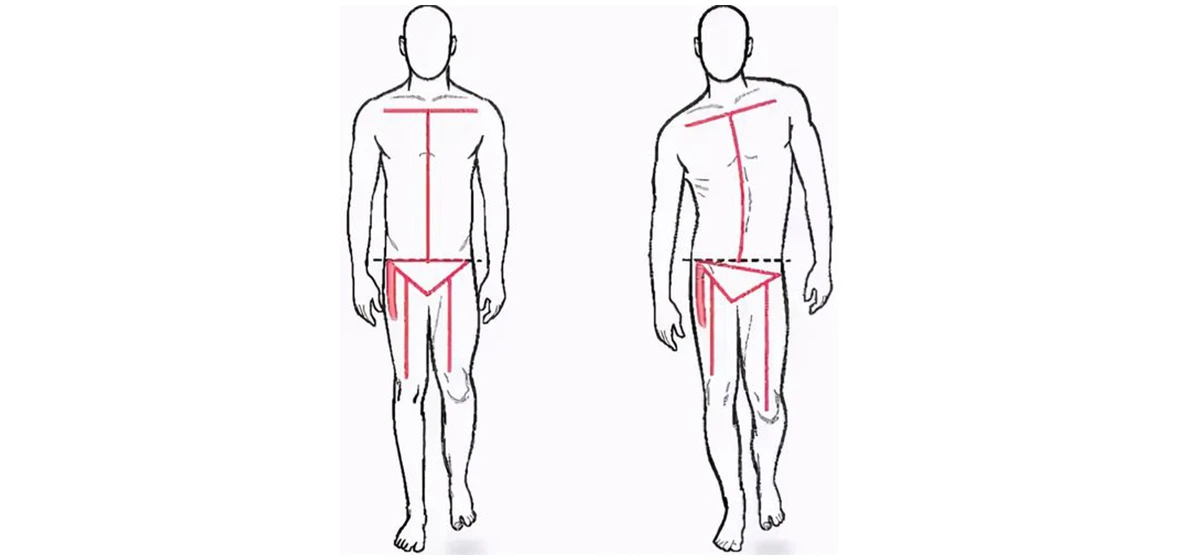
Leg Length Discrepancy (LLD) refers to a measurable difference in length between the right and left lower limbs. This difference can be minimal and asymptomatic, or significant enough to cause pain, dysfunction, and long-term structural adaptations.
From an Uneven legs assessment perspective, LLD is generally divided into two main categories:
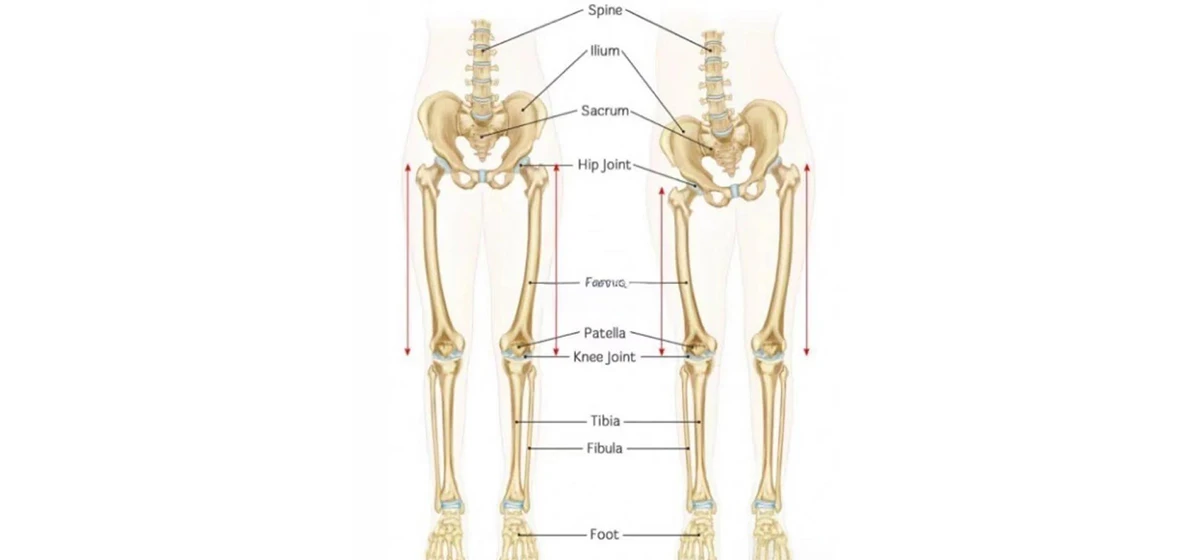
- Structural (Anatomical) LLD: A true difference in bone length, typically involving the femur, tibia, or both.
- Functional LLD: An apparent difference caused by pelvic tilt, muscle imbalance, joint restrictions, or foot mechanics rather than bone length.
Understanding this distinction is critical for accurate Leg Length Discrepancy (LLD) assessment, as treatment strategies differ significantly depending on the underlying cause.
Common Causes of Uneven Legs
Uneven legs rarely occur without context. A thorough Uneven legs assessment considers both medical history and lifestyle factors.
Structural Causes
- Congenital limb differences
- Growth plate injuries during childhood
- Hip or knee joint degeneration
- Post-surgical changes (hip replacement, fracture fixation)
Functional Causes
- Anterior or posterior pelvic tilt
- Scoliosis or spinal asymmetry
- Chronic muscle tightness or weakness
- Excessive foot pronation or supination
In many real-world cases, Leg Length Discrepancy (LLD) assessment reveals a combination of structural and functional factors rather than a single isolated cause.
The Health Risks of Leg Length Discrepancy
When left unaddressed, uneven legs can influence movement efficiency, joint loading, and neuromuscular coordination. Over time, these adaptations may increase injury risk and reduce quality of life.
Short-Term Effects
- Gait asymmetry
- Reduced balance and stability
- Localized muscle fatigue
Long-Term Effects
- Chronic lower back pain
- Hip and knee osteoarthritis
- Achilles tendinopathy or plantar heel pain
- Reduced athletic performance
A well-executed Leg Length Discrepancy (LLD) assessment helps identify these risks early, making preventive intervention possible.
Conventional Leg Length Discrepancy Assessment Methods
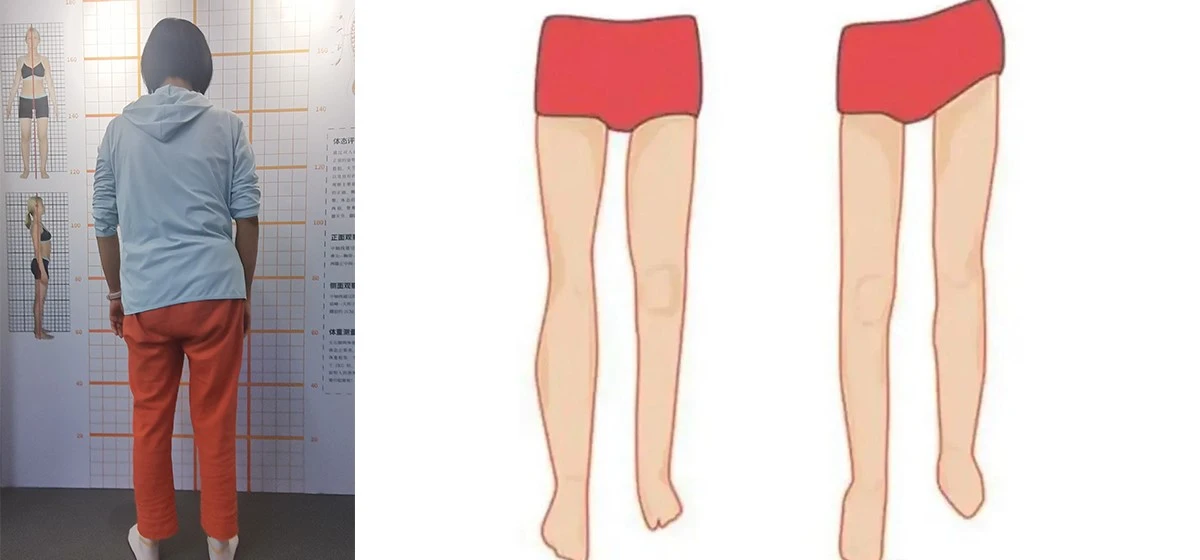
A reliable Uneven legs assessment should combine observational, manual, and measurement-based approaches. Below are commonly accepted methods used in clinical and commercial environments.
1. Tape Measure Method (Supine or Standing)
This traditional Leg Length Discrepancy (LLD) assessment technique measures the distance from anatomical landmarks such as the anterior superior iliac spine (ASIS) to the medial malleolus.
Advantages:
- Low cost
- Easy to perform
- Suitable for screening
Limitations:
- High inter-examiner variability
- Sensitive to pelvic positioning
2. Block Test (Standing Assessment)
In a block-based Uneven legs assessment, progressively thicker blocks are placed under the shorter leg until the pelvis appears level.
Advantages:
- Functional and weight-bearing
- Useful for determining heel lift height
Limitations:
- Visual estimation bias
- Requires practitioner experience
3. Imaging-Based Assessment (Clinical Reference)
While X-ray or EOS imaging is considered a gold standard for structural Leg Length Discrepancy (LLD) assessment, it is typically reserved for medical diagnosis due to cost and radiation exposure.
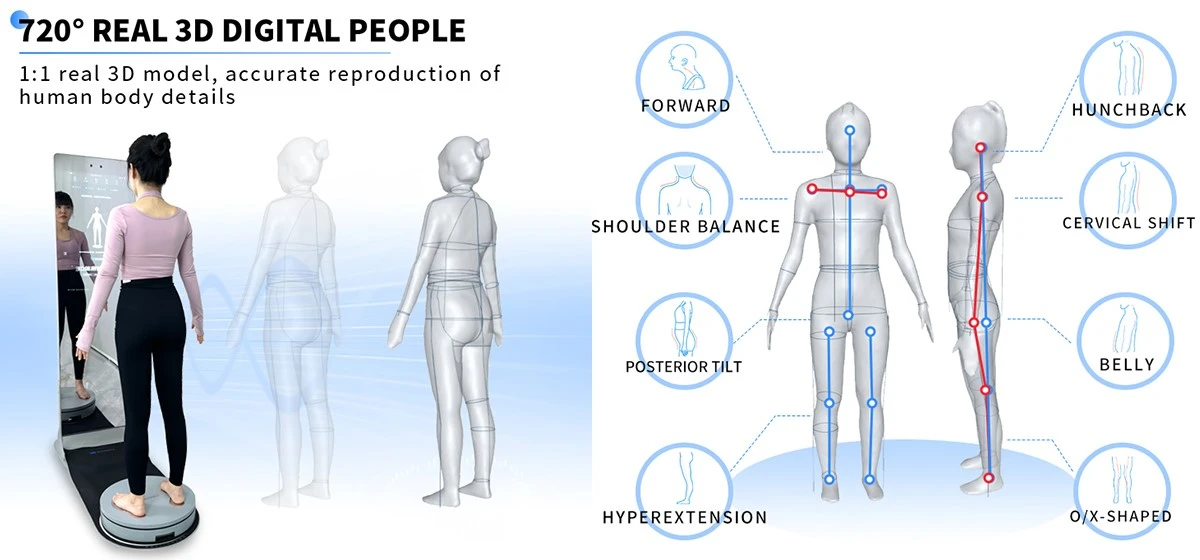
Comparison of Common LLD Assessment Methods
| Assessment Method | Accuracy Level | Environment | Key Use Case |
|---|---|---|---|
| Tape Measure | Moderate | Clinic / Fitness Studio | Initial screening |
| Block Test | Moderate–High | Standing / Retail | Functional correction |
| Medical Imaging | High | Hospital / Orthopedic Clinic | Structural diagnosis |
This layered approach allows Uneven legs assessment to remain both practical and scalable.
Digital and Postural Analysis Applications
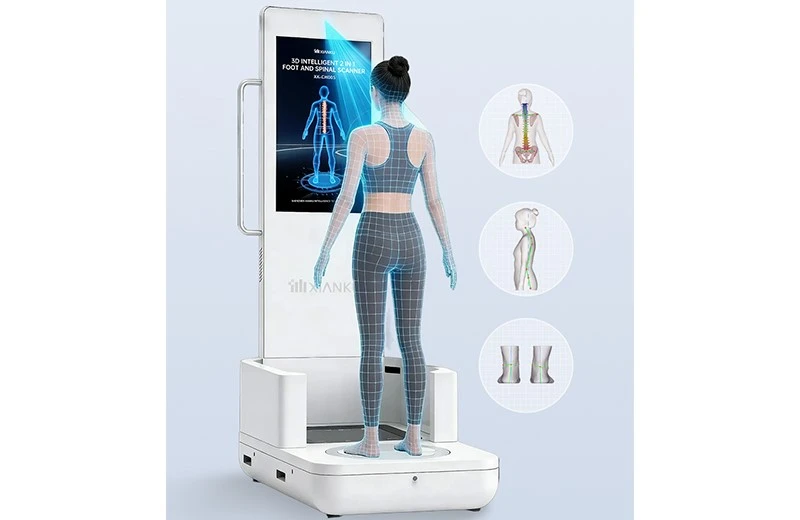
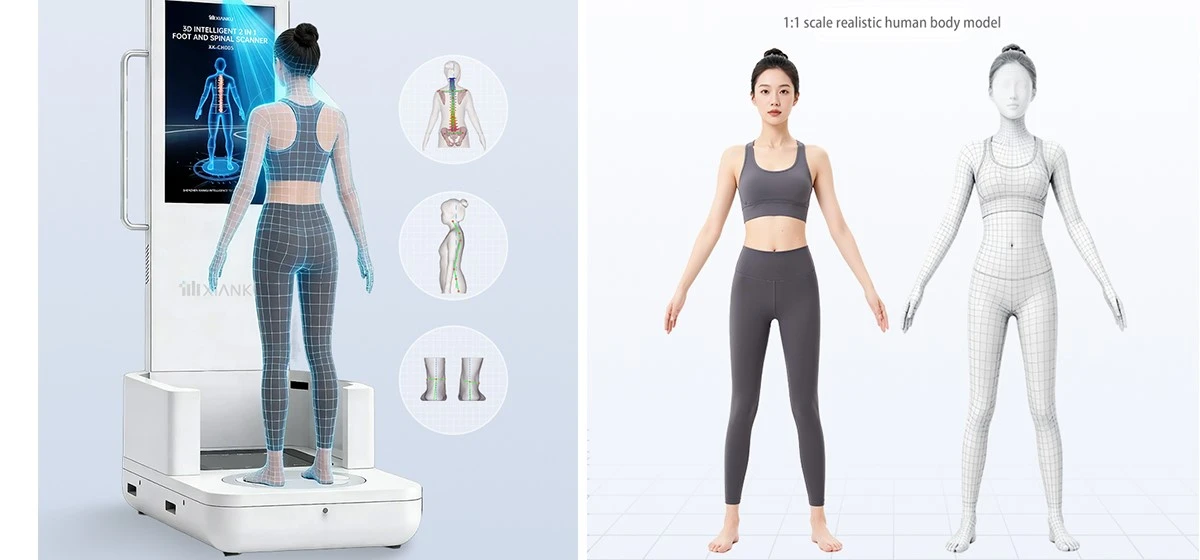
Modern posture analysis systems have expanded the scope of Leg Length Discrepancy (LLD) assessment beyond manual tools. Digital body posture assessment technologies can:
- Identify pelvic obliquity
- Quantify asymmetrical loading patterns
- Track correction progress over time
In commercial environments, digital Uneven legs assessment enhances credibility, improves client understanding, and increases conversion rates for corrective services.
Correction Strategies for Leg Length Discrepancy
Effective correction depends on accurate Leg Length Discrepancy (LLD) assessment and correct classification.
Structural LLD Corrections
- Custom heel lifts or orthotics
- Shoe modifications
- Long-term orthopedic management
Functional LLD Corrections
- Pelvic stabilization exercises
- Targeted mobility and strength programs
- Foot alignment correction
- Gait retraining
A combined reassessment process ensures that Uneven legs assessment outcomes are measurable and repeatable.
Correction Strategy Overview
| LLD Type | Primary Intervention | Supporting Methods | Monitoring |
| Structural | Heel lifts / Orthotics | Footwear modification | Periodic reassessment |
| Functional | Exercise & Mobility | Manual therapy | Digital posture tracking |
Business Applications and Monetization Opportunities
From a commercial standpoint, Leg Length Discrepancy (LLD) assessment represents a high-value entry point into broader posture and movement services.
1. Health and Wellness Clinics
Offering Uneven legs assessment as part of a posture screening package increases:
- Client retention
- Cross-selling of corrective programs
- Professional authority
2. Fitness, Pilates, and Personal Training Studios
Integrating Leg Length Discrepancy (LLD) assessment allows trainers to:
- Personalize programming
- Reduce injury risk
- Justify premium pricing
3. Footwear and Orthotic Retail
Retail environments benefit from Uneven legs assessment by:
- Improving product recommendation accuracy
- Increasing custom insole sales
- Reducing product returns
4. Corporate and Preventive Health Programs
Workplace posture screenings that include Leg Length Discrepancy (LLD) assessment support:
- Musculoskeletal risk reduction
- Data-driven reporting
- Long-term service contracts
Ethical and Effective Commercial Implementation
To maintain trust and long-term success, businesses should ensure that Uneven legs assessment services are:
- Transparent in limitations
- Supported by repeatable data
- Clearly differentiated between screening and diagnosis
This approach aligns with evidence-based practice and supports sustainable business growth.
Conclusion
Leg length differences are not merely anatomical curiosities-they are functional realities with measurable impact on movement, comfort, and performance. A structured Leg Length Discrepancy (LLD) assessment, combined with a practical Uneven legs assessment strategy, enables professionals to identify problems early, apply appropriate corrections, and deliver measurable value.
For health-focused businesses, LLD assessment is more than a clinical tool-it is a scalable, educational, and revenue-generating service that bridges biomechanics, technology, and personalized care. When implemented responsibly, it benefits both end users and service providers alike.