

Uneven shoulders are one of the most common yet underestimated postural imbalances seen in modern populations. From sedentary office workers to active fitness enthusiasts, shoulder asymmetry often develops gradually and silently. For business operators in health, wellness, yoga, posture management, rehabilitation, and the beauty industry, this condition represents both a challenge and an opportunity.
Uneven Shoulders Assessment and Correction is no longer just a clinical topic. It has become a core competency for businesses that aim to deliver measurable outcomes, personalized programs, and long-term client retention. As customers become more educated, they increasingly demand data-driven evaluation, visible progress tracking, and scientifically grounded solutions.
This article explores what uneven shoulders are, the problems they cause, effective correction strategies, and how different industries can implement Uneven Shoulders Assessment and Correction to offer more precise services and monitor body changes over time.
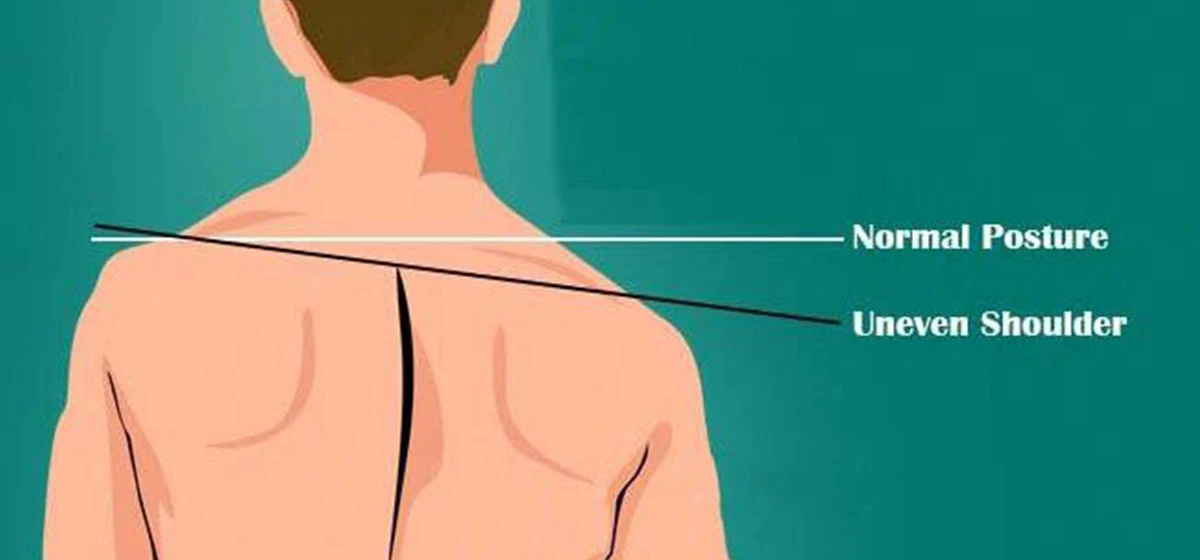
What Are Uneven Shoulders?
Uneven shoulders refer to a postural condition in which one shoulder sits higher or lower than the other when viewed from the front or back. This imbalance may be structural or functional and can vary in severity.
Common contributing factors include:
- Muscular imbalance between the upper trapezius, levator scapulae, and scapular stabilizers
- Long-term unilateral habits (carrying bags on one side, mouse usage)
- Spinal alignment issues such as scoliosis or pelvic tilt
- Previous injuries affecting the neck, shoulder, or upper back
- Poor ergonomic environments
From a professional perspective, Uneven Shoulders Assessment and Correction requires distinguishing between temporary functional imbalance and deeper biomechanical causes.
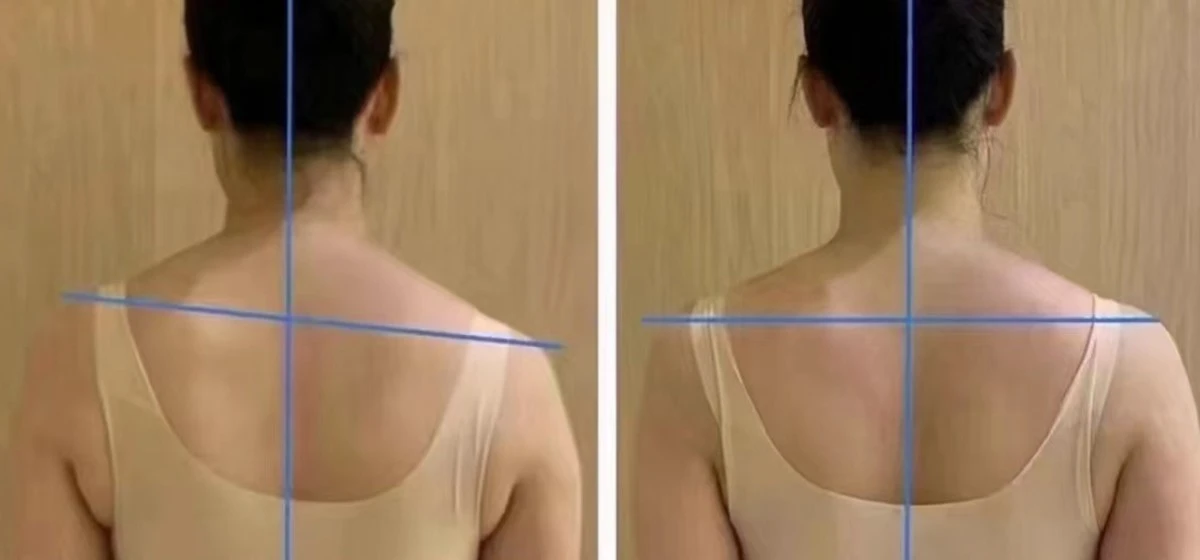
Problems and Risks Caused by Uneven Shoulders
Ignoring shoulder asymmetry can lead to cascading issues throughout the body. For business owners, understanding these risks helps communicate value and urgency to clients.
Short-Term Issues
- Neck stiffness and reduced cervical mobility
- Shoulder and upper back discomfort
- Reduced range of motion during exercise or daily activities
Long-Term Risks
- Chronic neck and shoulder pain
- Compensatory spinal rotation or lateral bending
- Increased risk of rotator cuff strain
- Reduced exercise efficiency and performance
- Negative aesthetic perception, especially in posture-sensitive industries
Effective Uneven Shoulders Assessment and Correction helps prevent minor asymmetries from becoming long-term musculoskeletal problems.
Table 1: Common Causes and Observable Signs of Uneven Shoulders
| Cause Category | Typical Origin | Observable Signs | Business Impact |
|---|---|---|---|
| Muscular Imbalance | Overactive upper trapezius | Elevated one shoulder | Reduced training efficiency |
| Habitual Behavior | One-sided device use | Shoulder height difference | Client posture dissatisfaction |
| Spinal Alignment | Mild scoliosis | Asymmetrical torso lines | Higher correction complexity |
| Injury History | Past shoulder trauma | Limited mobility on one side | Increased service customization |
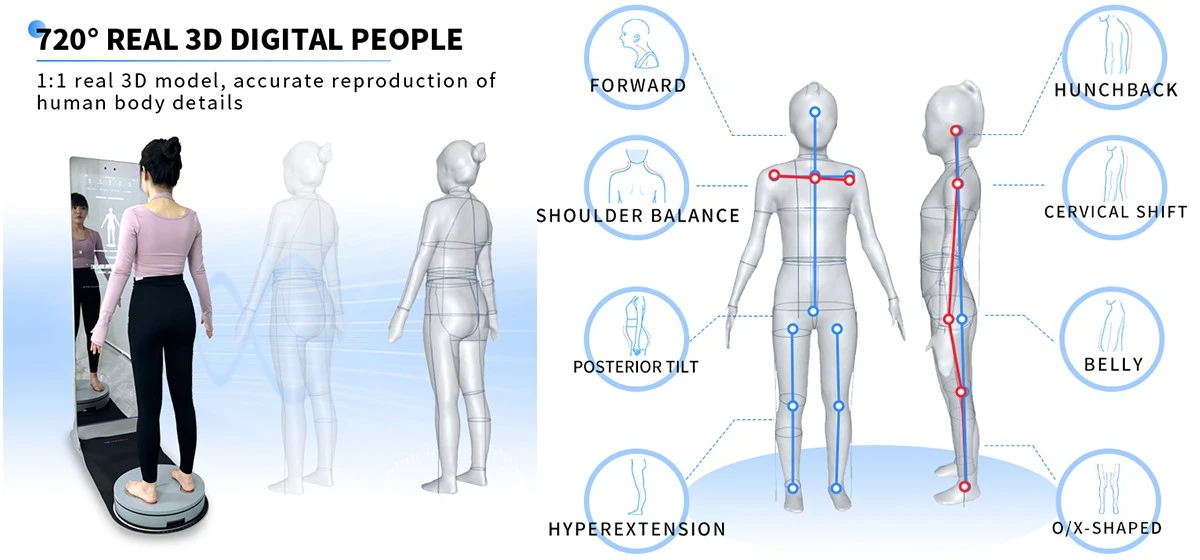
Assessment: The Foundation of Uneven Shoulders Correction
Accurate evaluation is the cornerstone of Uneven Shoulders Assessment and Correction. Traditional visual inspection alone is often subjective and inconsistent, especially when tracking progress over time.
Modern Assessment Approaches
1. Visual and Palpation Assessment
Useful for initial screening but heavily dependent on practitioner experience.
2. Functional Movement Screening
Evaluates how shoulder imbalance affects movement patterns.
3. 3D Body Posture Assessment Systems
Advanced tools, such as non-invasive 3D body scanners, provide objective shoulder height data, spinal alignment visualization, and posture symmetry analysis.
For business operators, digital posture assessment enables standardized Uneven Shoulders Assessment and Correction, ensuring repeatability and professional credibility.
Correction Strategies: From Symptom Relief to Structural Improvement
Uneven shoulders cannot be corrected through a single method. Successful Uneven Shoulders Assessment and Correction combines targeted interventions with continuous monitoring.
Key Correction Methods
- Strengthening Weak Muscles: Lower trapezius, rhomboids, and deep stabilizers
- Releasing Overactive Muscles: Upper trapezius and levator scapulae
- Postural Re-education: Daily posture awareness and ergonomic adjustments
- Breathing and Core Integration: Improving thoracic stability
Table 2: Correction Methods and Business Applications
| Correction Method | Primary Goal | Suitable Industries | Value to Clients |
| Targeted Exercise | Muscle balance | Fitness, rehab | Functional improvement |
| Manual Techniques | Tissue release | Therapy, wellness | Pain reduction |
| Posture Training | Habit correction | Yoga, posture studios | Long-term change |
| Digital Monitoring | Progress tracking | All service-based sectors | Visible results |
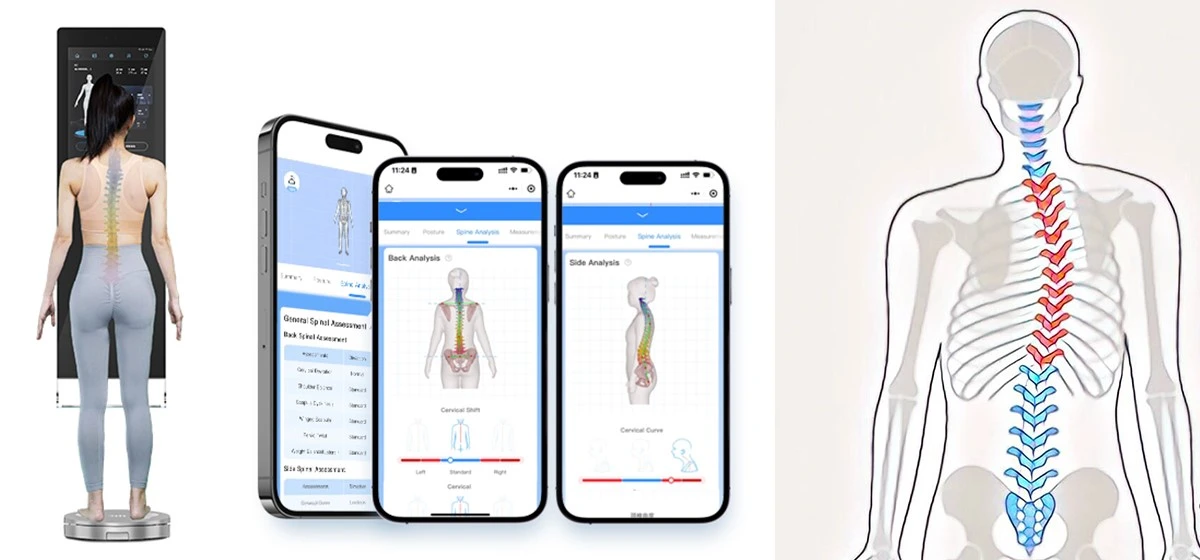
Industry Applications: Turning Assessment into Value
Yoga and Movement Studios
In yoga, shoulder symmetry directly affects pose alignment and injury prevention. Integrating Uneven Shoulders Assessment and Correction allows instructors to:
- Customize pose modifications
- Objectively demonstrate posture changes
- Enhance student trust through data-backed guidance
Body Shaping and Aesthetic Services
In the beauty and body management sector, posture influences visual balance and perceived body proportions. Uneven shoulders can affect neckline appearance, garment fit, and overall posture aesthetics.
Using structured Uneven Shoulders Assessment and Correction, beauty professionals can:
- Provide posture-based aesthetic consultations
- Track visual symmetry improvements
- Differentiate services beyond surface-level treatments
Rehabilitation and Wellness Clinics
For clinics, uneven shoulders are often linked to deeper musculoskeletal dysfunction. Objective assessment tools support:
- Baseline documentation
- Outcome evaluation
- Long-term care planning
Other Service Industries
Personal training studios, corporate wellness programs, and ergonomic consulting services can all benefit from standardized Uneven Shoulders Assessment and Correction workflows.
Tracking Body Changes: From Guesswork to Measurable Outcomes
One of the biggest challenges in posture correction is proving progress. Clients may feel better but struggle to see objective change.
Advanced posture assessment systems enable:
- Quantitative shoulder height comparison
- Visual posture reports
- Time-based progress tracking
Table 3: Tracking Metrics for Uneven Shoulders
| Metric | Measurement Method | Business Benefit |
| Shoulder Height Difference | 3D posture scan | Objective evaluation |
| Spinal Alignment | Visual mapping | Enhanced client understanding |
| Posture Symmetry Score | Algorithm-based analysis | Clear progress communication |
Consistent reassessment strengthens the Uneven Shoulders Assessment and Correction process and reinforces client confidence.
Building a Data-Driven Service Model
For industry operators, posture assessment should not be a one-time event. A sustainable service model includes:
Initial Uneven Shoulders Assessment and Correction baseline
- Personalized intervention plan
- Periodic reassessment
- Visual progress reporting
- Program optimization based on data
This approach shifts services from experience-based to outcome-based, aligning with modern customer expectations in Western markets.
From Posture Problem to Business Advantage
Uneven shoulders are more than a physical imbalance-they are a signal of deeper functional and lifestyle issues. For yoga studios, wellness clinics, aesthetic services, and movement-based businesses, mastering Uneven Shoulders Assessment and Correction unlocks new levels of professionalism, differentiation, and client trust.
By combining scientific assessment, targeted correction, and ongoing body change tracking, businesses can deliver measurable value while building long-term relationships. In an increasingly competitive market, precision, transparency, and results are what set industry leaders apart.
